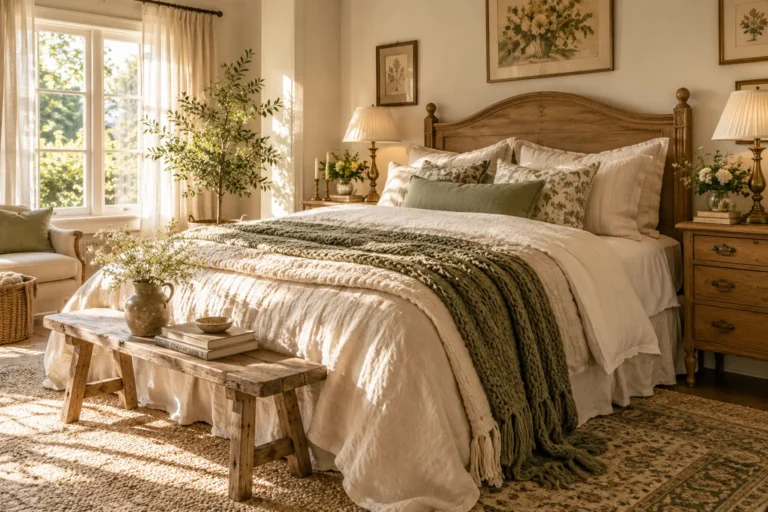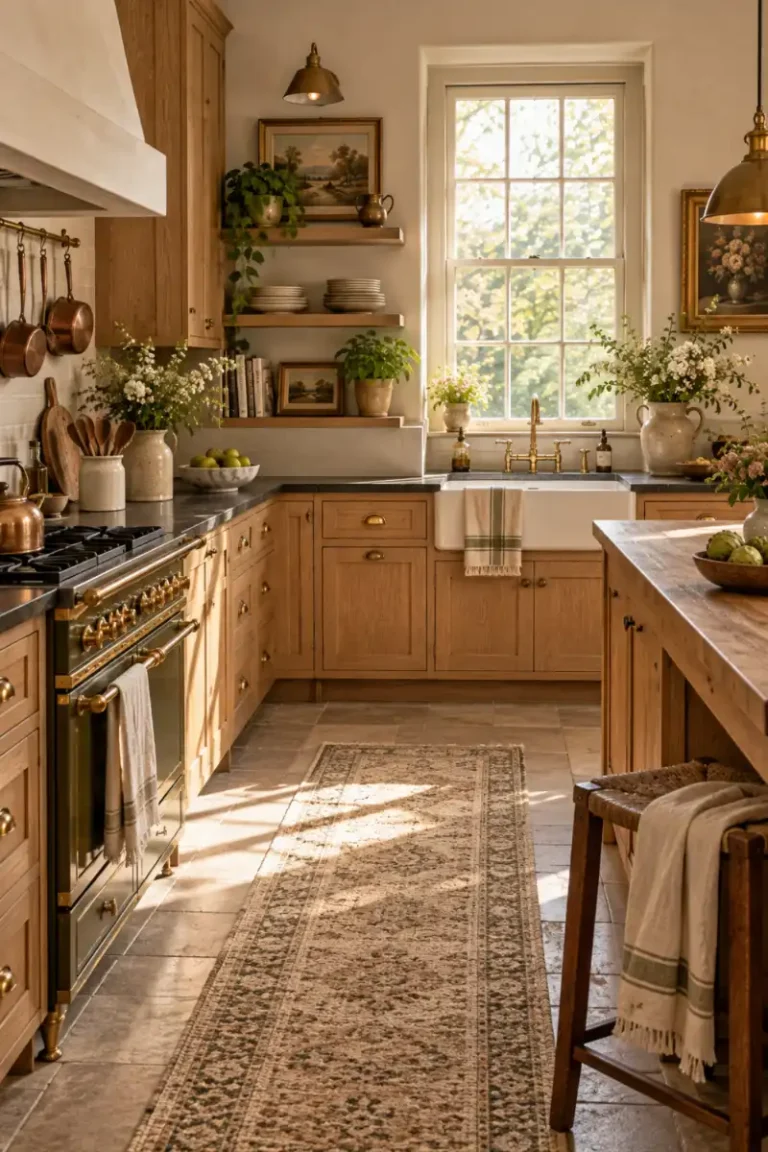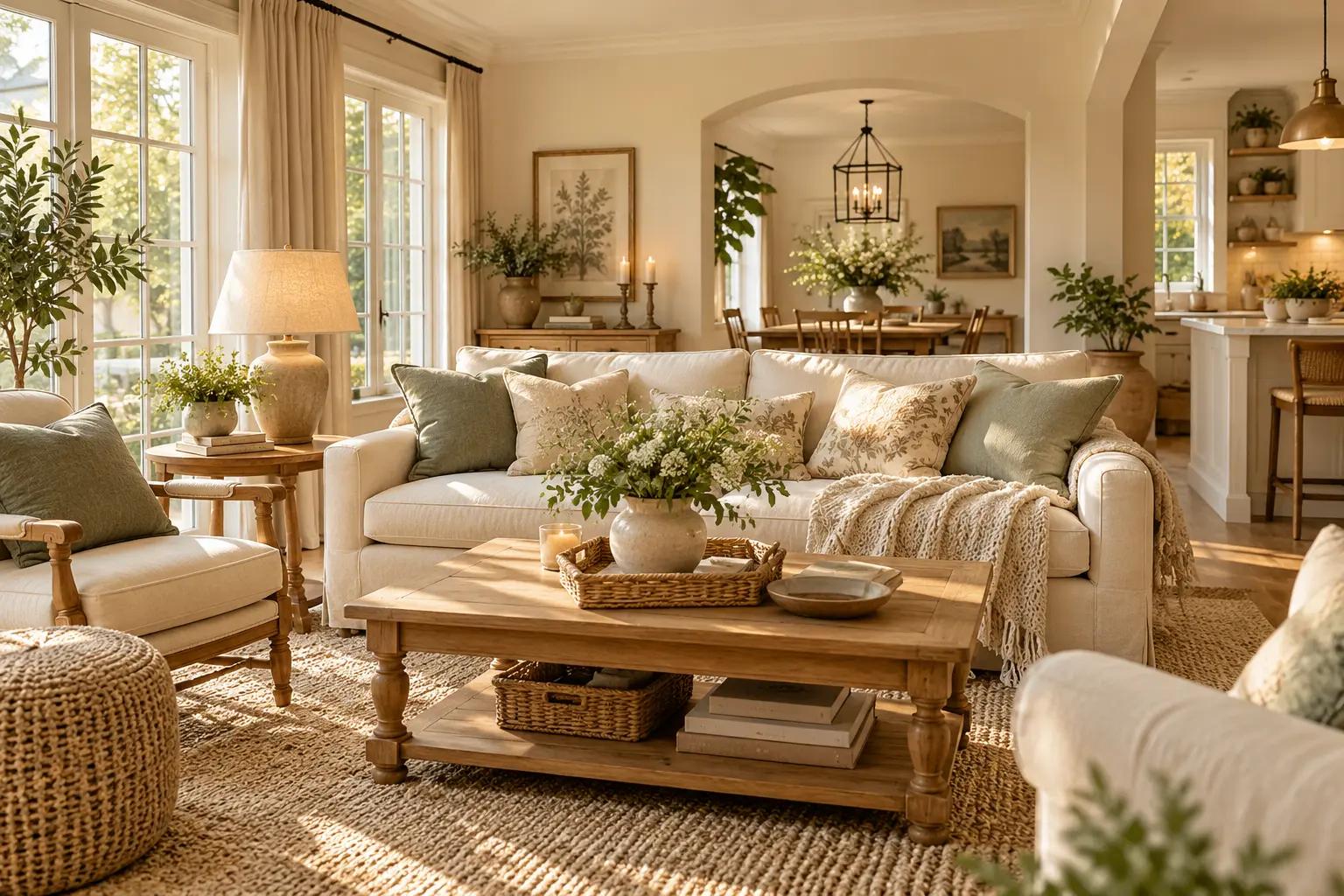
A welcoming home is not about having expensive furniture or following every decorating trend. It’s about creating spaces that feel comfortable, personal, and easy to enjoy.
The best cozy home decor ideas bring together thoughtful details that make everyday living more enjoyable. From comfortable bedroom arrangements and welcoming dining spaces to warm kitchen details and beautifully styled entryways, small decorating choices can change how an entire home feels.
Whether you live in a small apartment, a traditional house, or a modern home, you can create a comfortable atmosphere without starting from scratch. Natural materials, warm lighting, soft colors, and practical furniture choices all have a part to play.
I’ve noticed that the most inviting interiors often balance beauty with everyday functionality. A beautiful room should still have comfortable seating, useful storage, and enough space to move around.
Here are 20 practical decorating ideas to help you create a home that feels warm, welcoming, and genuinely yours.
1. Warm Neutral Color Palettes
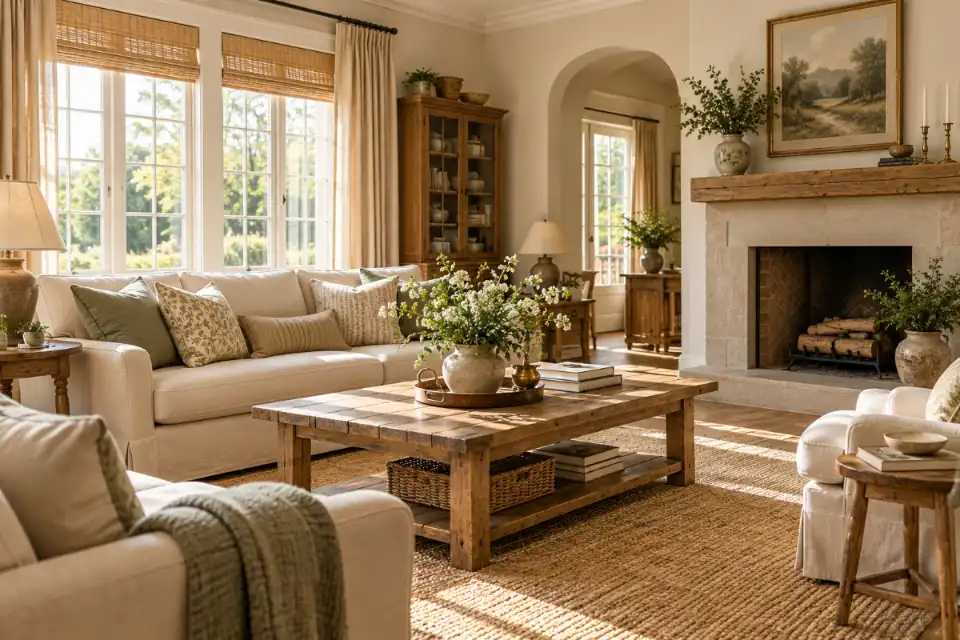
Warm colors can make an ordinary room feel more comfortable without requiring major decorating changes. Start with a foundation of ivory, warm beige, oatmeal, or soft taupe. These shades work particularly well on walls, larger furniture pieces, and window treatments.
Rather than using one color everywhere, introduce several related shades through cushions, rugs, curtains, and decorative accessories. This creates depth while keeping the overall appearance calm.
For a little more character, introduce muted sage, dusty rose, or soft terracotta. These colors work beautifully with natural wood and traditional furniture.
The key is to choose a consistent palette before purchasing new accessories. That way, different rooms can feel connected without looking identical.
2. Comfortable Everyday Seating
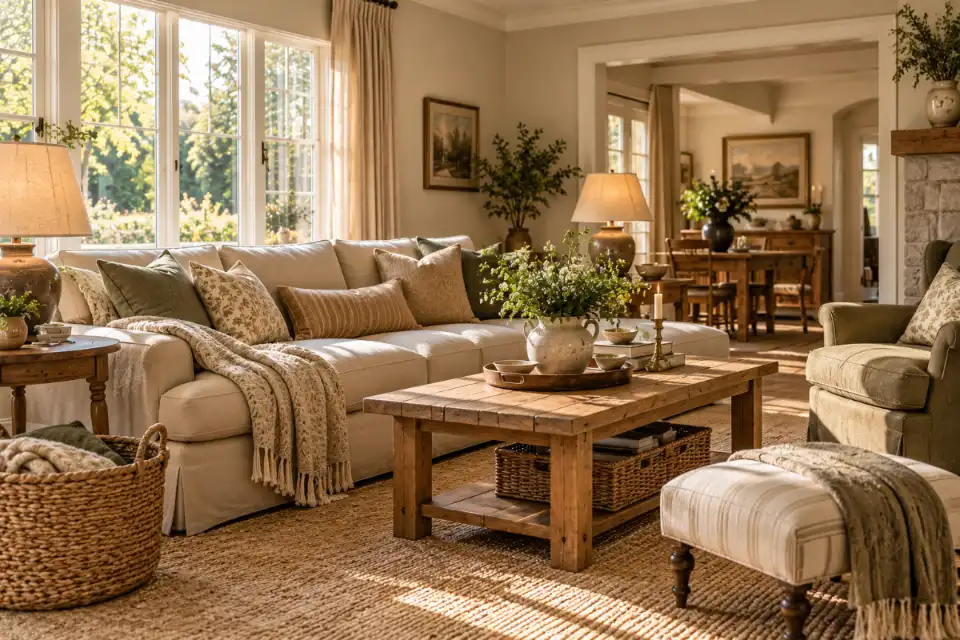
The most beautiful seating arrangement is not useful if nobody wants to sit in it.
- Supportive sofas: Choose comfortable cushions and seat depths that suit everyday use.
- Accent chairs: Add an armchair where someone can comfortably read or relax.
- Footstools: Use upholstered or woven footstools for additional comfort.
- Flexible seating: Consider lightweight stools that can move between rooms.
- Practical fabrics: Choose upholstery that suits your household and cleaning needs.
Think about how your family actually uses each space. A sofa for watching television may need deeper seating, while a chair near a window should provide enough support for reading.
Leave comfortable walking space around furniture. A room feels more inviting when people can move through it without constantly navigating around tables and chairs. For a softer, collected look, consider how rustic furniture and natural textures can work with practical seating.
3. Warm Layered Lighting
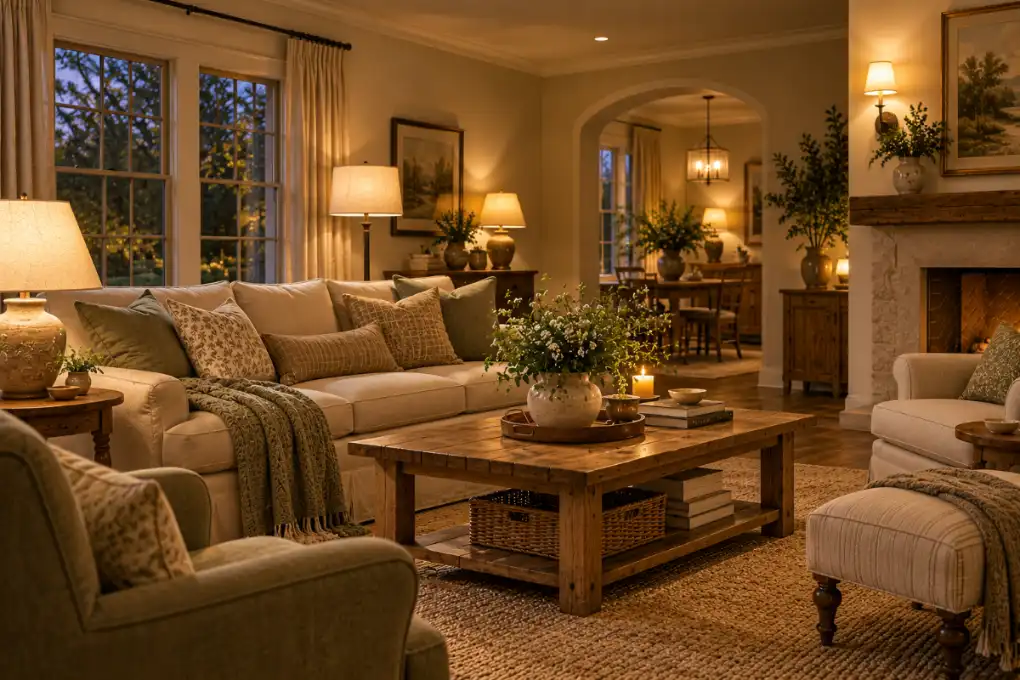
Quick Tip:
Use at least three different light sources in rooms where you spend considerable time. Combine general ceiling lighting, focused task lighting, and softer accent lighting. Choose warm-white bulbs around 2700K for a comfortable evening atmosphere. The U.S. Department of Energy offers helpful guidance on choosing energy-efficient light bulbs.
Lighting should support the activities taking place in each room. A kitchen needs useful task lighting for food preparation, while a bedroom benefits from softer bedside lamps.
Place reading lamps near chairs, table lamps on sideboards, and suitable accent lights near architectural features. Use dimmers where practical to adjust brightness throughout the day.
Avoid relying entirely on decorative lighting that looks attractive but does not provide enough visibility for everyday activities.
4. Functional Entryway Storage
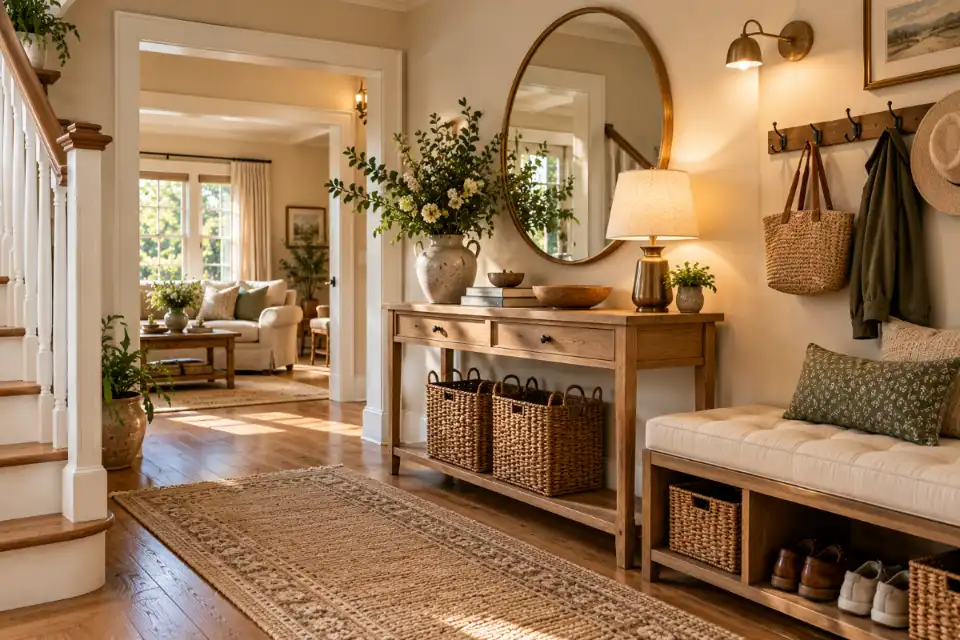
BEFORE
Shoes collect near the door, coats end up on chairs, and everyday bags have no permanent place. Even a beautifully decorated home can feel disorganized when the entrance becomes a dumping area.
AFTER
A simple entryway arrangement gives everyday belongings a proper home. Introduce a narrow storage bench, wall hooks, a small shoe cabinet, and a basket for accessories.
Keep frequently used items within easy reach. Store seasonal shoes and less-used belongings elsewhere.
A mirror can also make a compact entrance feel brighter and provide a practical last check before leaving home. Choose furniture that fits the available space rather than overcrowding the entrance with decorative pieces.
5. Relaxing Bedroom Color Schemes
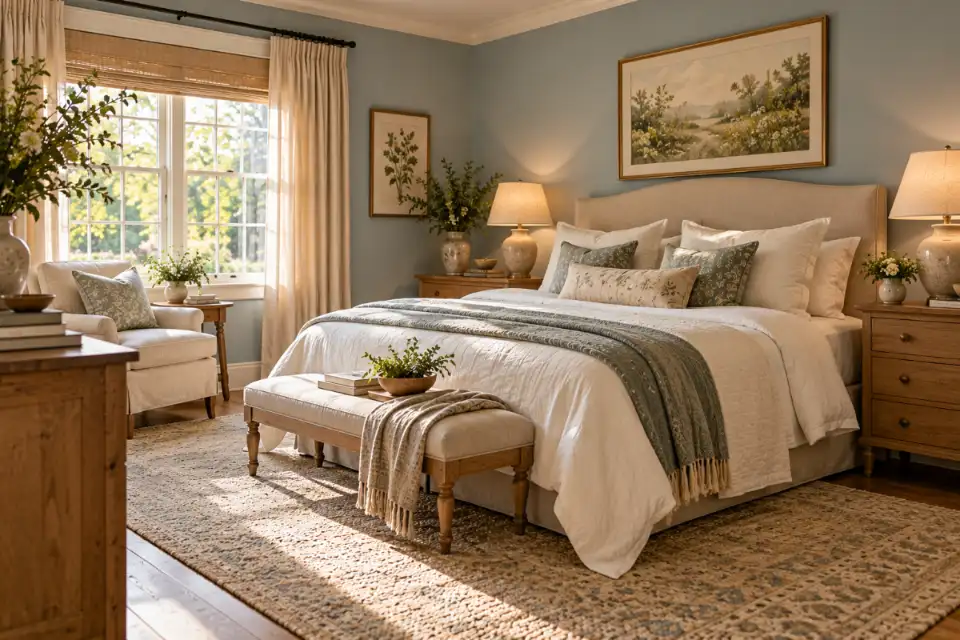
- Choose a restful base: Start with warm white, muted blue, pale sage, or soft beige.
- Coordinate bedding: Select sheets and duvet covers that complement the wall color.
- Introduce natural textures: Add linen curtains, cotton bedding, and a woven rug.
- Keep accents subtle: Use a small amount of dusty rose, muted green, or warm brown.
- Repeat your colors: Carry two or three shades through the room for a coordinated finish.
A bedroom should feel comfortable from morning until bedtime. Soft colors help create a visually calm environment, while natural fabrics add warmth without making the room feel crowded.
Test paint samples in both daylight and evening lighting before committing to a color. A shade that looks beautiful in a showroom may appear very different inside your bedroom. For more inspiration, explore these vintage bedroom styling ideas.
6. Organized Kitchen Counters
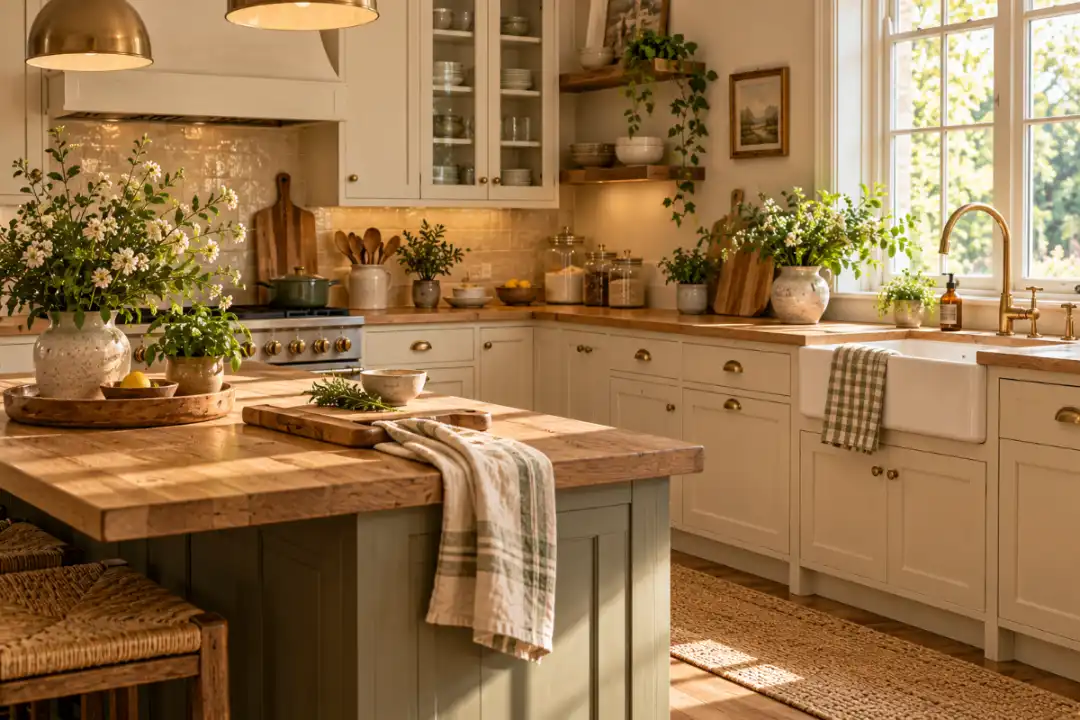
A comfortable kitchen begins with a layout that makes everyday tasks easier.
- Keep frequently used cooking utensils close to the preparation area.
- Store dry ingredients in clearly labeled containers.
- Use a wooden tray to group frequently used oils and seasonings.
- Display one or two attractive ceramic pieces rather than filling every surface.
- Keep the main food preparation area clear.
A little organization can make the kitchen feel more spacious and enjoyable to use. Choose storage containers that fit your cupboards and avoid purchasing decorative accessories before deciding where everything will go.
For a warmer appearance, combine natural wood, ceramic accessories, and soft neutral textiles.
7. Inviting Dining Table Settings
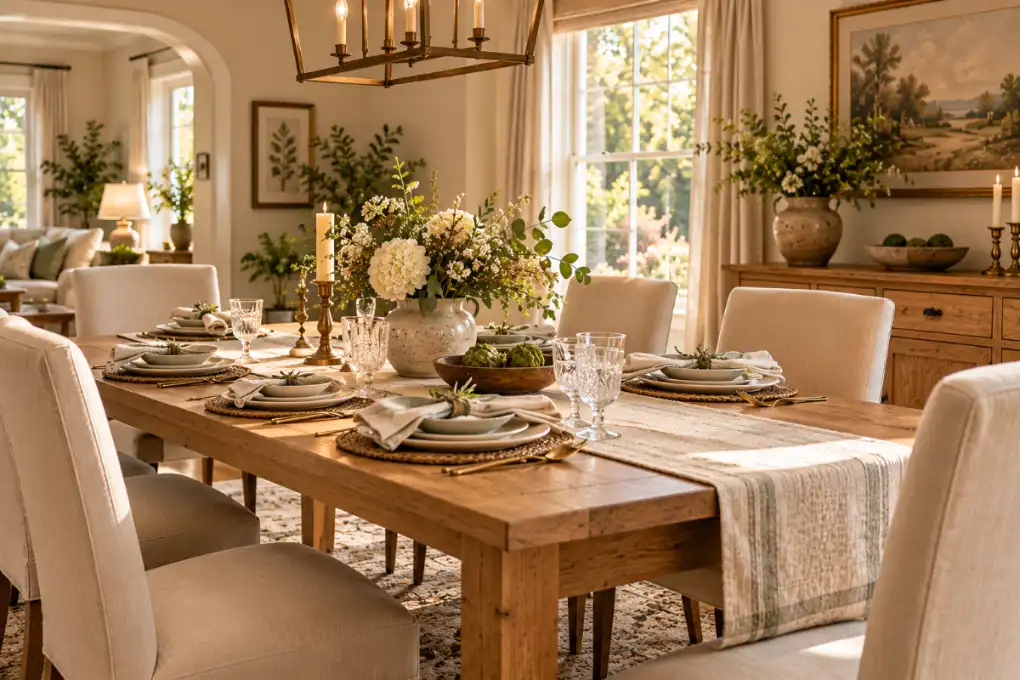
A dining table can feel special even when nobody is hosting a dinner party.
| Feature | Everyday Setting | Special Occasion Setting |
|---|---|---|
| Table covering | Simple linen runner | Full tablecloth |
| Dinnerware | Everyday ceramic plates | Coordinated serving pieces |
| Centerpiece | Small flower vase | Larger seasonal arrangement |
| Lighting | Natural or ceiling light | Additional candlelight |
Start with a simple linen runner and everyday dinnerware in complementary neutral shades. Add a small ceramic vase with fresh flowers or greenery. If you prefer a more traditional appearance, introduce wooden serving boards and understated brass accessories.
Keep the centerpiece low enough for people to see one another comfortably. A practical dining arrangement should encourage conversation rather than make the table difficult to use.
8. Thoughtful Bathroom Accessories
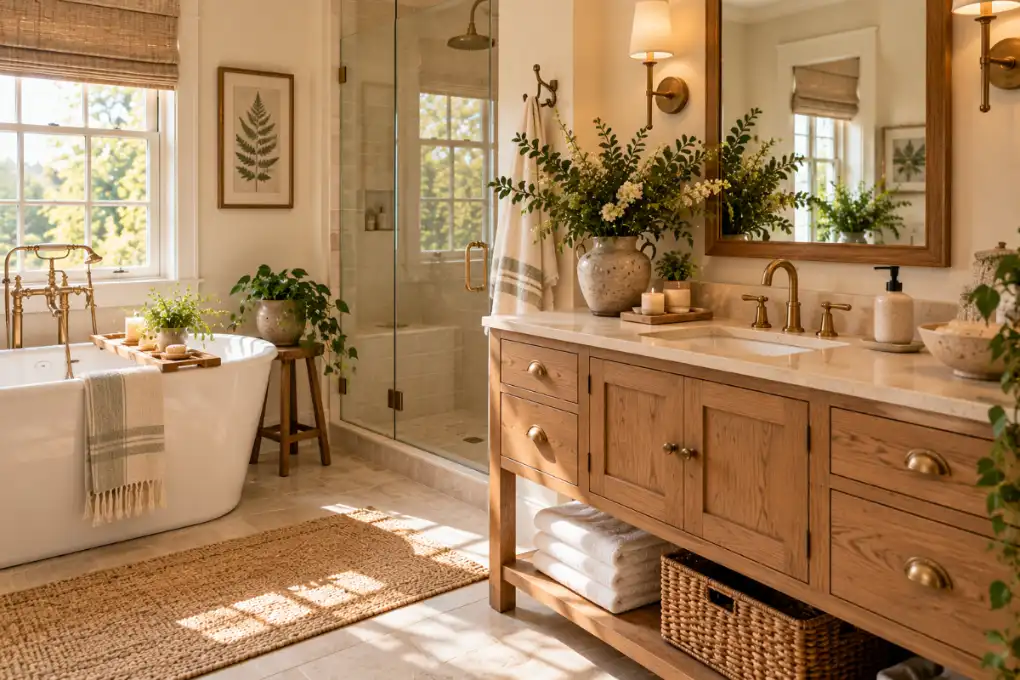
DO:
- Use coordinated towels in cream, white, or muted earthy colors.
- Introduce a ceramic soap dispenser and matching bathroom accessories.
- Store extra toiletries in woven or covered baskets.
- Add a small plant suitable for the available light and humidity.
DON’T:
- Overcrowd the vanity with decorative objects.
- Store damp towels in closed baskets.
- Choose accessories that interfere with daily cleaning.
- Use materials that cannot tolerate bathroom humidity.
Bathrooms often benefit from a few coordinated details rather than extensive decoration. A fresh towel arrangement, useful storage, and attractive everyday accessories can make the space feel more considered.
Choose materials that are suitable for moisture and easy to maintain. Practicality matters just as much as appearance in a frequently used bathroom.
9. Natural Greenery Indoors
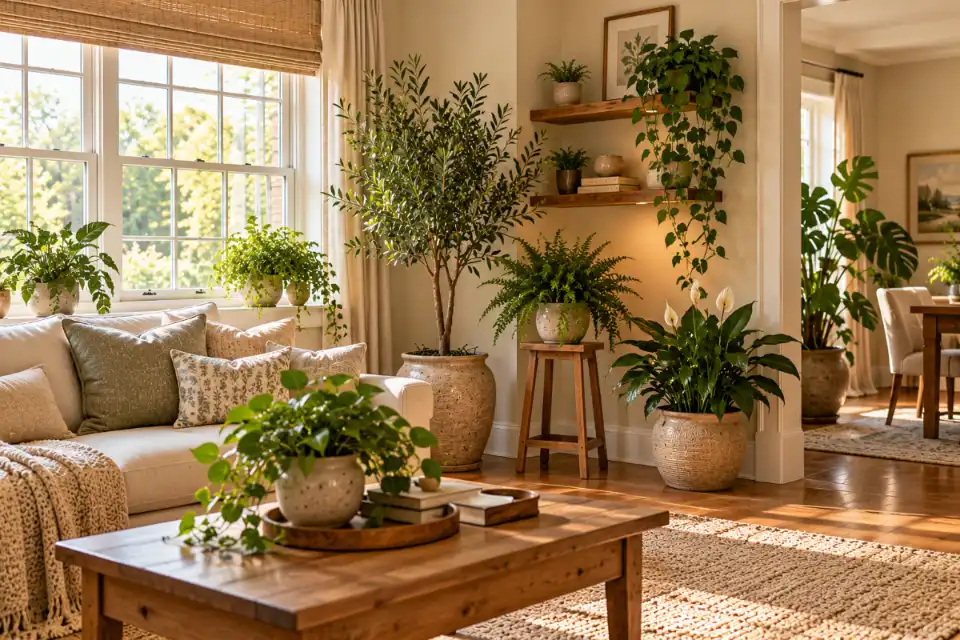
Best For: Living rooms, kitchens, bedrooms, and bright entryways.
Cost: Low to moderate, depending on plant size and variety.
Maintenance: Varies by plant species, lighting, and watering requirements.
Style: Natural, contemporary, cottage-inspired, and traditional interiors.
Indoor greenery introduces natural shapes and color into otherwise neutral spaces. Start with plants that suit your home’s actual lighting conditions rather than choosing varieties based only on appearance.
Place larger plants in suitable floor pots, smaller varieties on shelves, and compact herbs near a bright kitchen window.
Remember to consider drainage, watering needs, and whether a plant is safe around children or pets. A few healthy plants are more attractive than a crowded collection that cannot be properly maintained.
10. Smart Living Room Organization
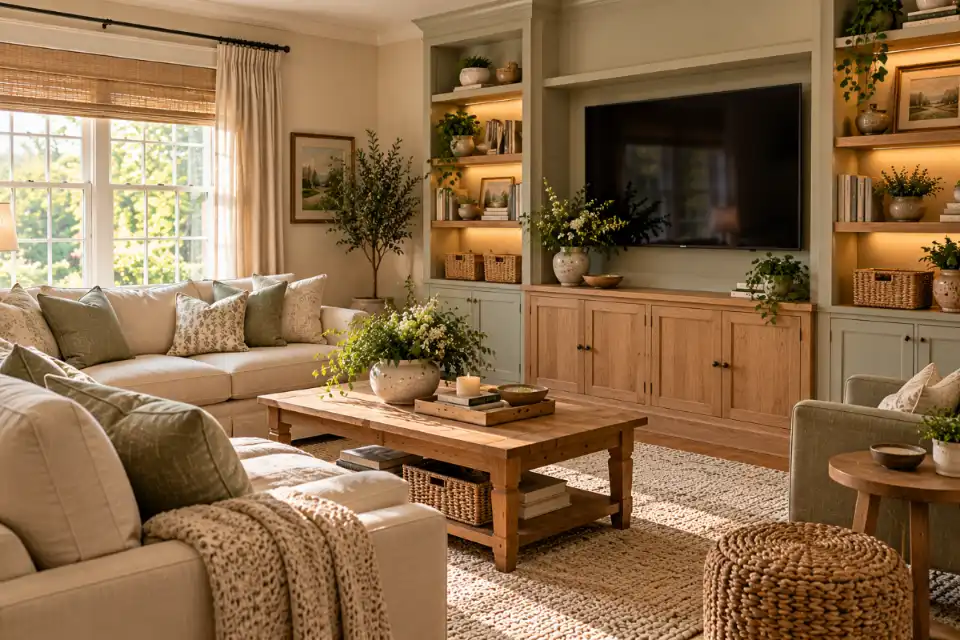
An organized living room feels more comfortable because everyday belongings have somewhere to go.
Start by identifying the items that regularly create clutter. Remote controls, charging cables, magazines, children’s toys, and blankets often need dedicated storage.
Use closed cabinets for belongings you do not want on display. Keep attractive books, framed photographs, and a few decorative accessories on open shelves.
Choose storage furniture that fits the room rather than adding several small containers without a clear purpose.
I’ve noticed that organization works best when storage is positioned close to the activities it supports. A basket beside the sofa is much more useful for blankets than one hidden in another room.
11. Personal Family Photo Displays
Quick Tip:
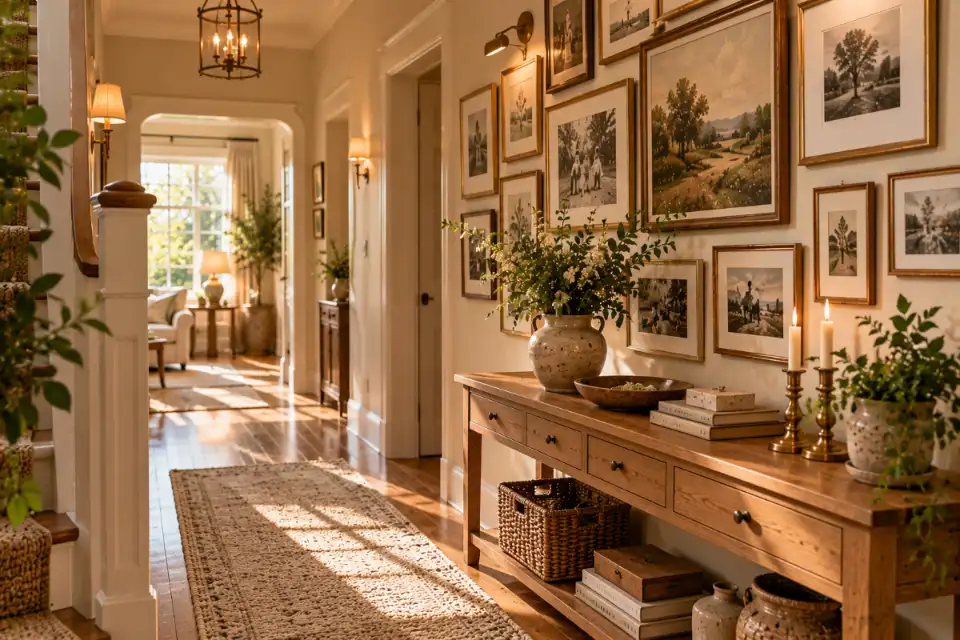
Before hanging your photographs, arrange the frames on the floor and experiment with spacing. Keep the center of the overall arrangement near eye level, and use paper templates to test the layout on the wall.
Family photographs make a home feel personal in a way that mass-produced decorations cannot. Choose images that have genuine meaning, such as family gatherings, favorite places, or memorable holidays.
Combine different frame sizes while keeping the overall arrangement visually balanced. You can also introduce one or two landscape prints to prevent the display from looking repetitive.
For a coordinated finish, repeat one or two frame materials throughout the arrangement.
12. Practical Laundry Room Styling
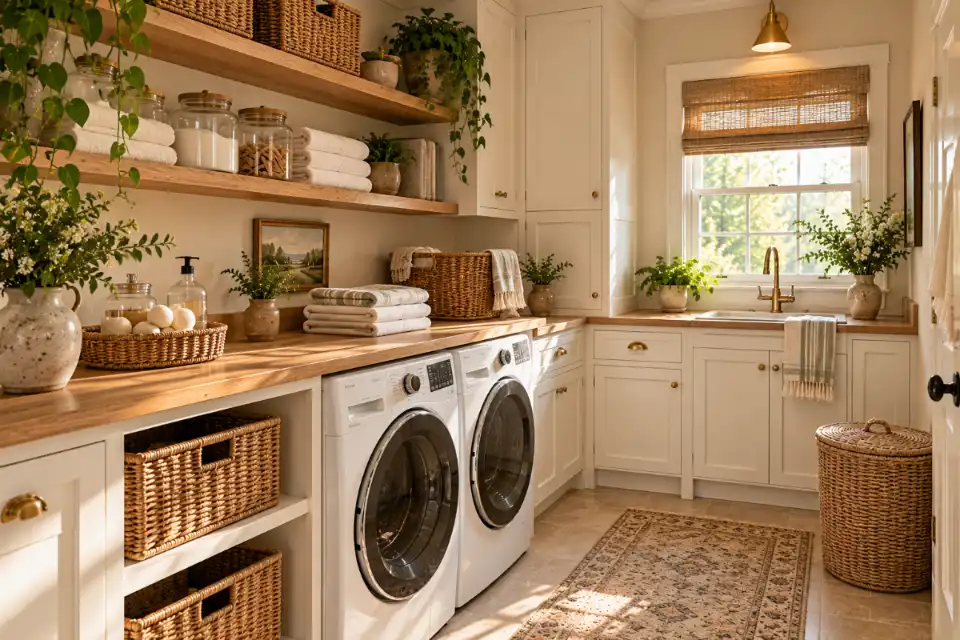
BEFORE
Laundry products sit on top of appliances, clothing piles collect in corners, and there is little room for folding or sorting. The room feels like a purely functional space with no organized system.
AFTER
A dedicated sorting area, labeled storage containers, and a practical folding surface make daily laundry easier. Matching baskets can separate different loads, while shelves keep detergents and cleaning supplies organized.
Choose washable baskets and moisture-resistant surfaces. Store cleaning products safely and out of children’s reach.
Even a small laundry area can benefit from better organization. Focus on improving how you use the space before spending money on decorative accessories.
13. Cozy Window Seating
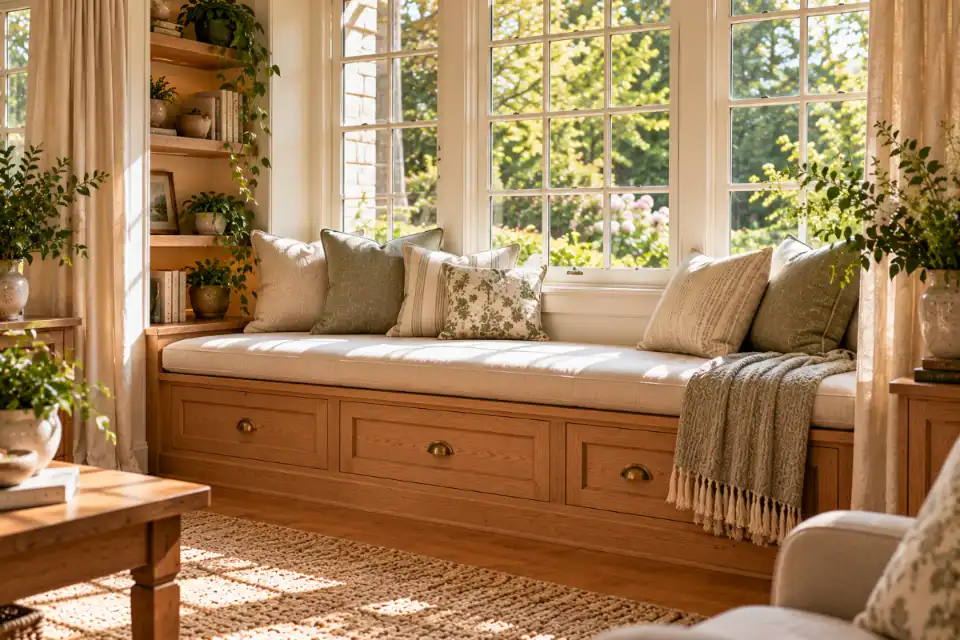
A window seat can turn an unused part of a room into a comfortable place to relax.
- Measure the available width and depth.
- Choose a seat height that feels comfortable.
- Add a cushion with washable fabric.
- Include a small side table if space allows.
- Consider storage underneath for blankets or books.
If you have a wide windowsill or a suitable alcove, consider a fitted bench with a supportive cushion. For a more flexible alternative, use a small upholstered bench positioned near the window.
Pay attention to window access, ventilation, and radiator clearance before installing a built-in seat. The finished area should remain practical, comfortable, and easy to clean.
14. Welcoming Front Porch Details
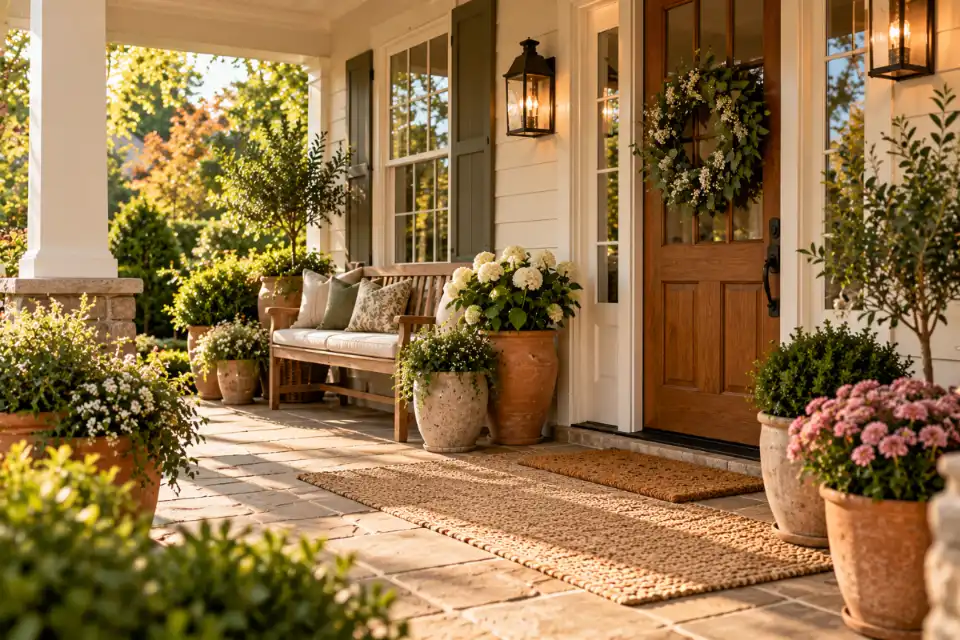
The front porch is the first area guests see, so a few practical details can make the entrance feel more welcoming.
| Feature | Simple Approach | More Decorative Approach |
|---|---|---|
| Seating | Wooden bench | Cushioned outdoor bench |
| Plants | Two matching planters | Mixed seasonal arrangements |
| Lighting | One outdoor lantern | Coordinated wall and floor lights |
| Entrance mat | Neutral woven mat | Patterned outdoor mat |
Start with clean flooring, suitable outdoor seating, and planters that fit the available space. Add weather-resistant cushions and outdoor lighting designed for exterior use.
Choose plants according to your climate and the amount of sunlight the porch receives. Avoid overcrowding the entrance, especially where people need clear access to the door.
15. Seasonal Home Decorating
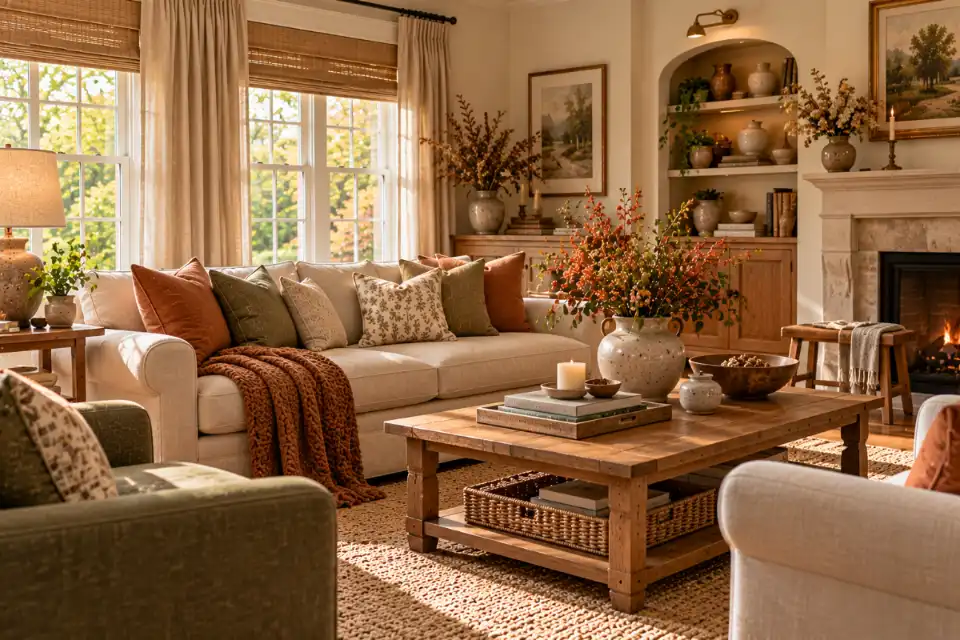
Seasonal decorating gives you a chance to refresh your home without replacing your main furniture.
For spring, introduce fresh flowers, lighter fabrics, and soft botanical colors. During summer, use breathable cotton textiles and natural greenery. Autumn works beautifully with rust, caramel, and deeper earthy shades. In winter, introduce warmer blankets, textured cushions, and gentle lighting.
My advice: Keep your larger furniture and foundational colors relatively consistent throughout the year. Change smaller accessories instead.
This approach makes seasonal updates easier to store, more affordable, and less likely to create unnecessary clutter.
16. Beautiful Book Displays
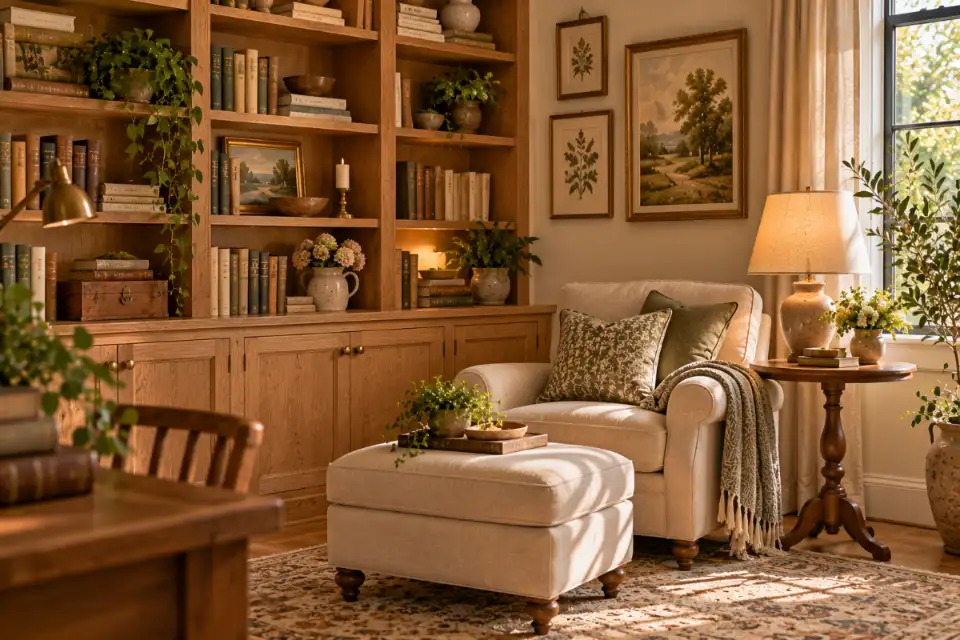
Books can add color, character, and useful decoration to almost any room.
Start by arranging books according to size or color, depending on the appearance you prefer. Combine upright books with small horizontal stacks to create variety.
Add a few decorative pieces between groups, such as a ceramic vase, framed photograph, or small sculpture. Leave enough empty space to make the shelves easy to use.
For a collected vintage appearance, mix older hardcovers with newer books rather than purchasing decorative books solely for their appearance.
Keep frequently used books at accessible heights, and make sure heavier objects are supported by properly installed shelving.
17. Soft and Practical Window Treatments
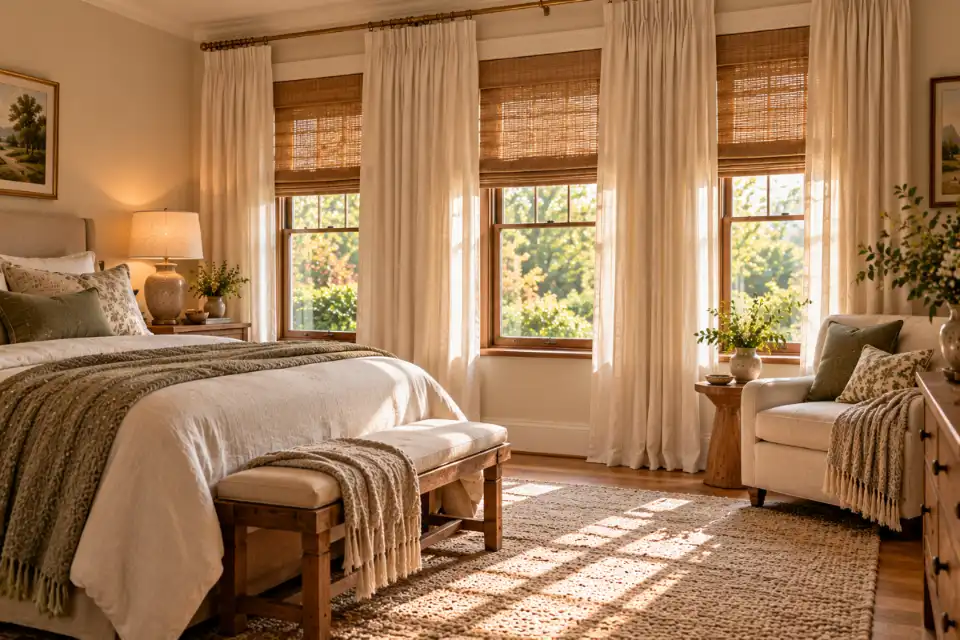
BEFORE
Bare windows can leave a room feeling unfinished. In bedrooms, excessive outside light may also make it difficult to create a comfortable sleeping environment.
AFTER
A combination of attractive curtains and practical blinds provides better control over light, privacy, and appearance. Lightweight linen curtains soften the window, while suitable blinds provide additional coverage when needed.
Choose window treatments according to the room’s purpose. Bedrooms may benefit from blackout options, while living areas often work well with adjustable light-filtering fabrics.
Measure carefully, including the curtain rod position and the full length required. The right window treatment should look attractive while meeting your household’s practical needs.
18. Everyday Home Office Comfort
Quick Tip:
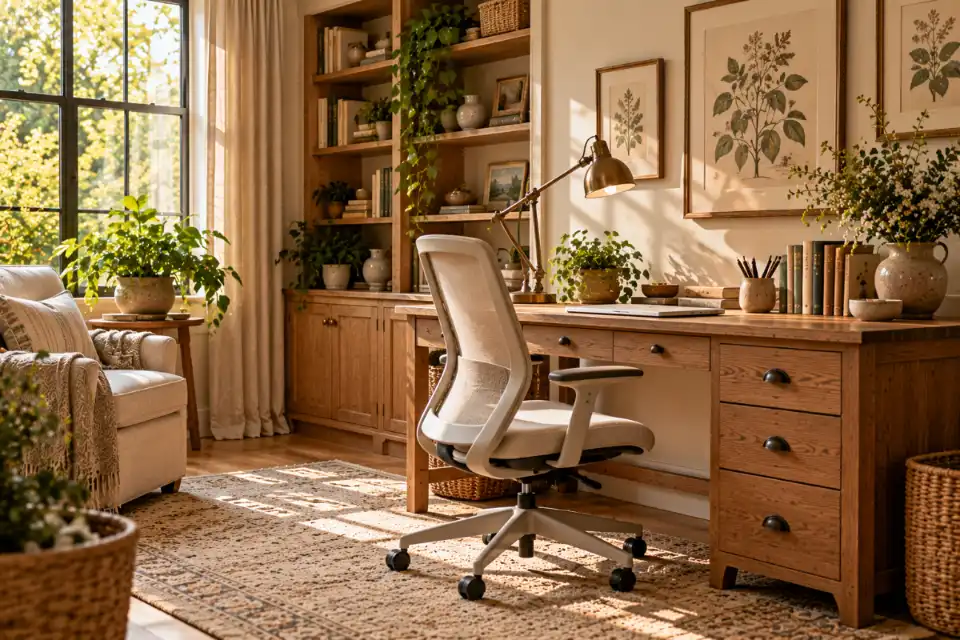
Prioritize your desk and chair before buying decorative accessories. Choose a supportive chair, position your screen comfortably, and introduce adjustable task lighting to reduce unnecessary visual strain.
A comfortable home office should make everyday work easier rather than simply look attractive in photographs.
Use drawer organizers to manage stationery, a small tray for frequently used items, and shelves for books or reference materials. Keep the main desk surface clear enough for your daily tasks.
Introduce personality through artwork, plants, or a favorite ceramic accessory. A practical workspace can still feel connected to the rest of your home.
19. Small Space Storage Solutions
DO:
- Choose furniture that provides more than one useful function.
- Use vertical shelving to make better use of wall space.
- Select storage boxes that fit existing cupboards.
- Keep frequently used belongings within easy reach.
DON’T:
- Fill every empty corner with additional furniture.
- Purchase storage containers before measuring the available space.
- Block windows with oversized cabinets.
- Keep belongings you no longer use simply because storage is available.
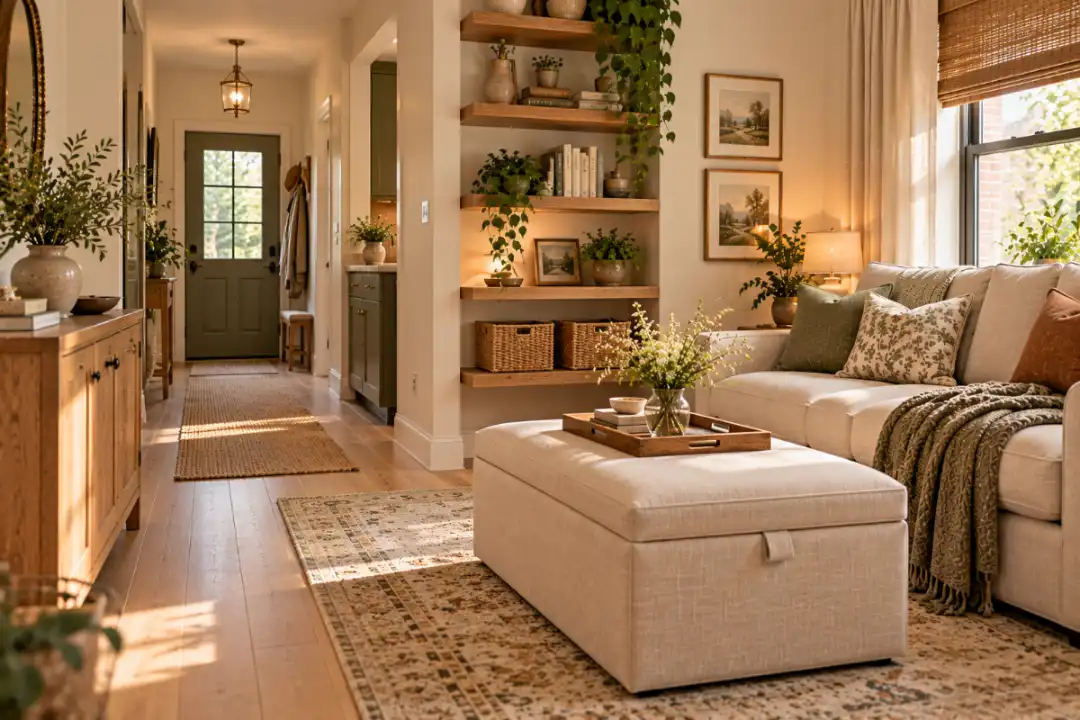
Small homes benefit from thoughtful planning rather than simply adding more furniture. A storage ottoman, narrow cabinet, or bed with built-in drawers can provide useful space without making the room feel crowded.
Measure furniture carefully before purchasing, and maintain clear pathways between different areas. A well-organized small home can feel just as welcoming as a larger one.
20. Meaningful Decorative Details
Cost: Low to moderate, depending on the pieces you already own.
Best For: Shelves, console tables, bedrooms, living spaces, and dining areas.
Style: Personal, vintage-inspired, traditional, cottage, and contemporary interiors.
Skill Level: Beginner-friendly. Requires thoughtful selection and arrangement.
The details that make a home feel personal are often the ones that cannot be purchased as a matching set.
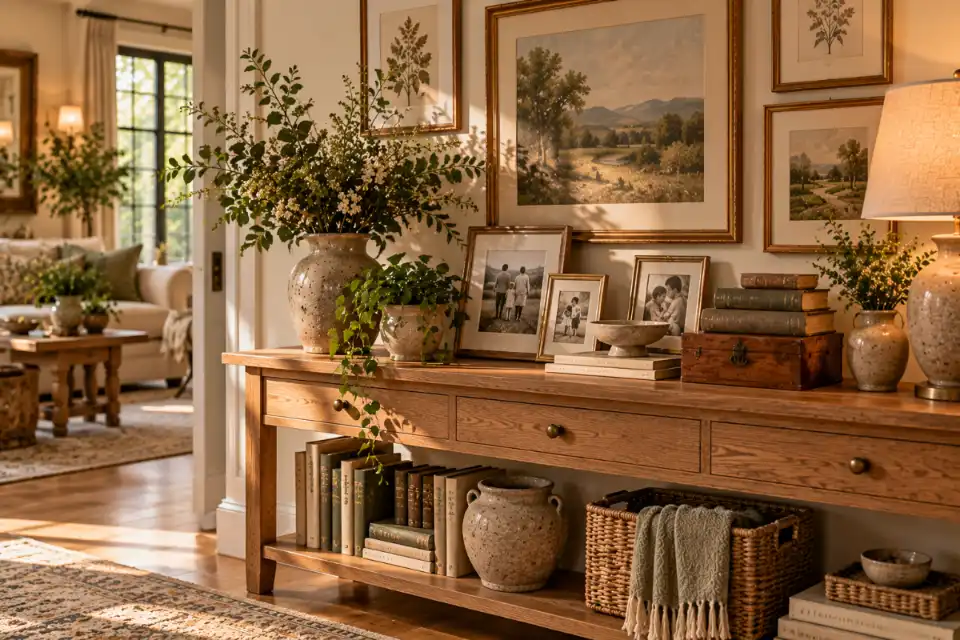
Display meaningful photographs, handmade objects, travel souvenirs, favorite books, or family keepsakes. Choose a few pieces that complement your existing colors and materials, then arrange them in places where they can be enjoyed.
Avoid displaying every decorative object at once. Rotate collections occasionally to keep the space interesting without adding unnecessary clutter.
A welcoming home should reflect the people who live there. Give your favorite belongings a place, and let your personality become part of the decoration.
If you enjoy a softer, more collected look in your sitting area, explore these cottagecore living room ideas for additional inspiration.
Conclusion
Creating an inviting home is about making thoughtful choices that support the way you live. From comfortable seating and organized kitchens to relaxing bedrooms and welcoming entrances, small details can make everyday spaces more enjoyable.
The best cozy home decor ideas are the ones that suit your lifestyle, available space, and personal taste. You don’t need to complete everything at once. Start with one room, choose a change that makes daily life easier, and gradually build an interior you love.
Save this article on Pinterest for future inspiration and share it with someone who enjoys decorating. Your home should feel like your favorite place to be.