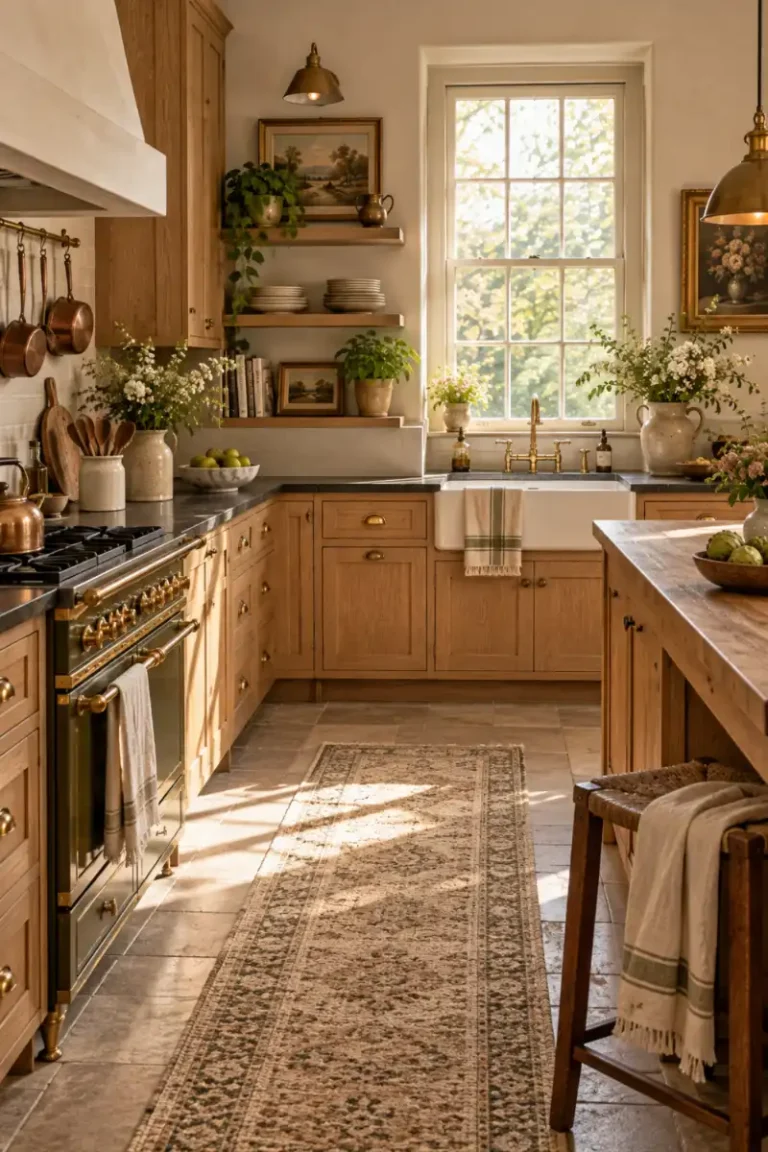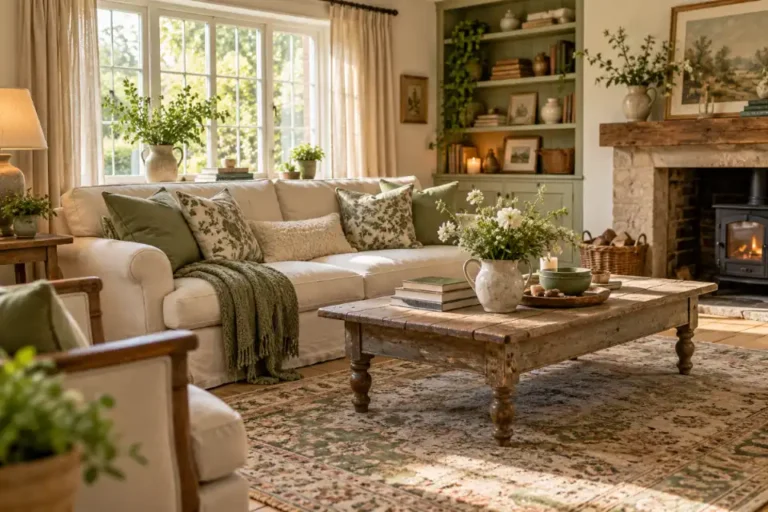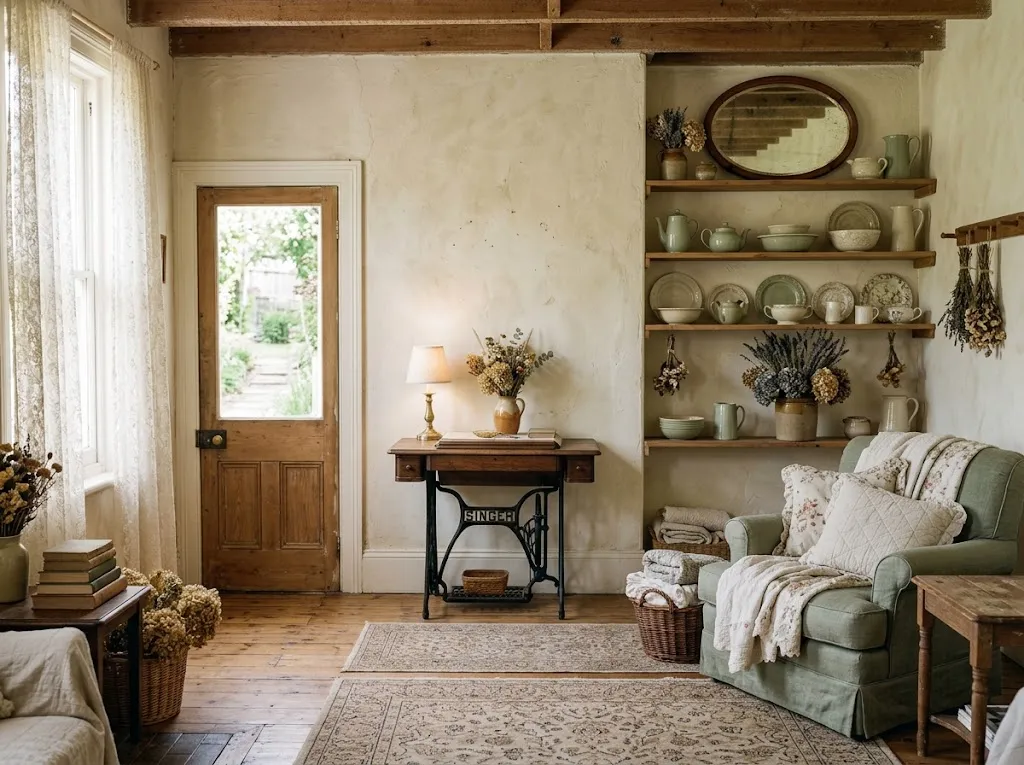
Some homes feel like a hug the moment you walk in. Others just feel like a house. The right cottagecore decor ideas can turn even a plain, ordinary room into a space that feels soft, personal, and lived-in.
Whether you’re working with a full house or a single rented room, each idea in this list is meant to add warmth without requiring a full renovation or a big budget. From dried flower arrangements to layered quilts and vintage hardware, every suggestion here focuses on small, doable changes you can actually complete in a weekend.
In my experience, the rooms people love most aren’t copied from a magazine. They’re filled with secondhand finds, handmade textures, and small personal touches collected over time. This guide is meant to help you build exactly that kind of space, one idea at a time, starting with whatever room needs it most.
Dried Flower Arrangements
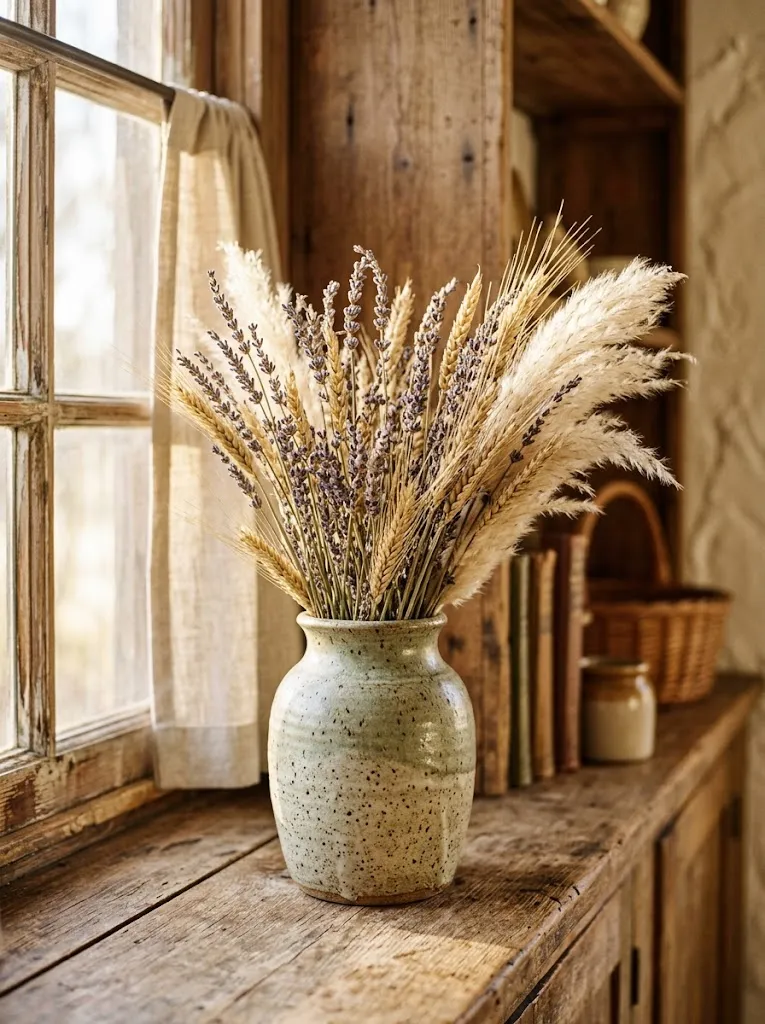
Sun-dried blooms bring warmth to a room long after fresh flowers fade. Hang bundles of lavender, baby’s breath, or wheat upside down in a dry, dark spot for two weeks. Once fully dried, they hold their shape and color for months, giving your shelves a soft, lived-in charm.
I’ve noticed dried arrangements work best in glass bottles, tin pitchers, or chipped pottery rather than polished vases. The imperfect texture matches the relaxed feel of a cottage-style room. Group three or four stems together instead of one, since fuller bunches read as intentional rather than sparse.
Vintage Lace Curtains
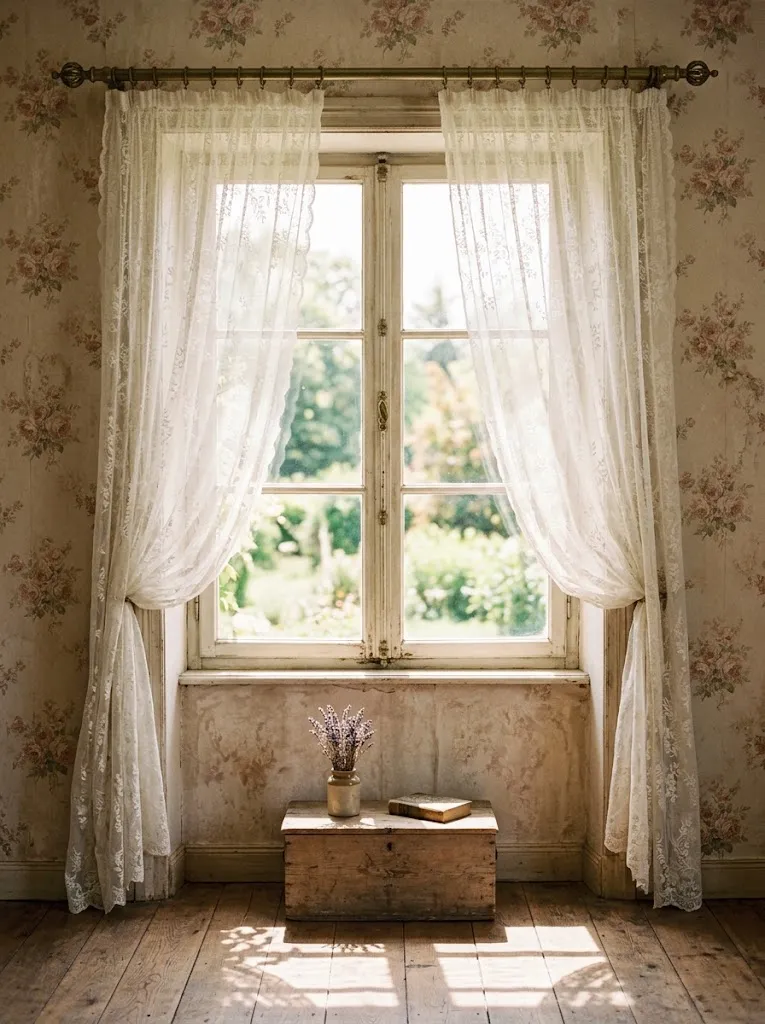
- Look for lace panels with small floral or scalloped edges at flea markets and estate sales, since these details are rarely found in new curtains.
- Wash vintage lace by hand in cool water with mild soap to avoid tearing the delicate threads.
- Pair lace with a solid-colored roller shade behind it for privacy without losing the soft light effect.
- Hang panels slightly higher than the window frame to make ceilings feel taller and rooms feel airier.
- Choose ivory or cream shades over bright white, since aged tones fit the vintage aesthetic more naturally.
Lace curtains soften harsh light and add texture without covering a window completely. That’s why many experts recommend layering them under heavier drapes for cooler months. On their own, they let a room stay bright during the day while still offering a bit of privacy from the street.
Mismatched Floral China
Quick Tip:
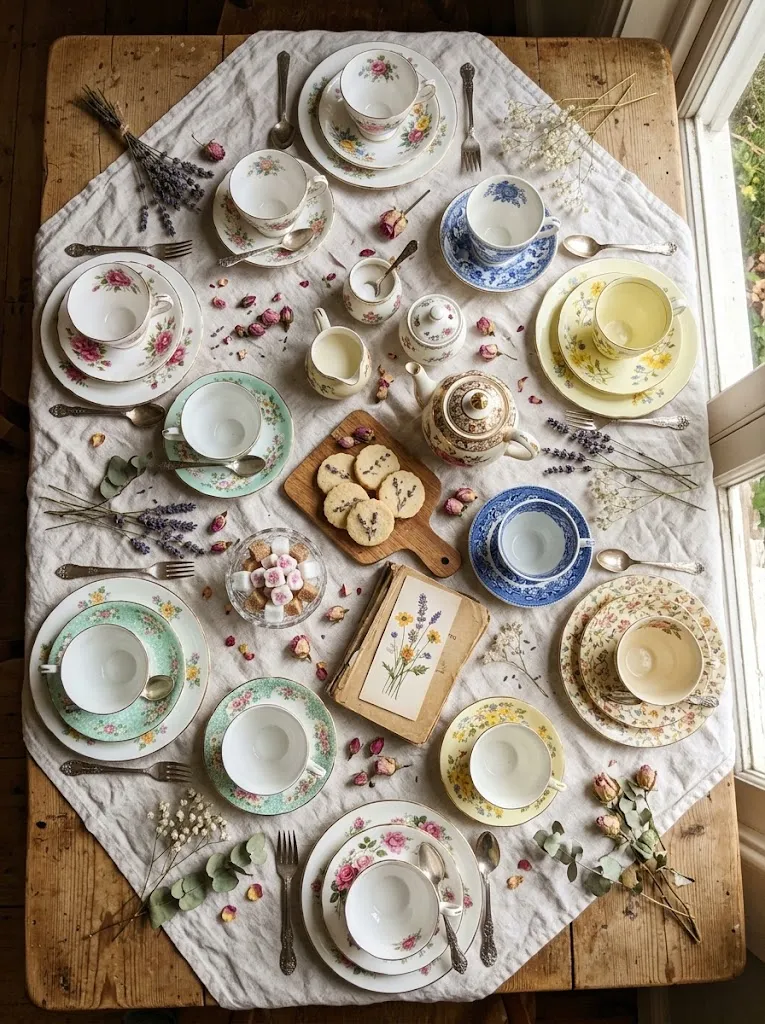
Buy single pieces instead of full sets when thrifting. One floral teacup here and a patterned saucer there costs less and builds a more authentic collection over time.
A table set entirely from matching china can feel stiff and store-bought. In my experience, three or four different floral patterns placed together look more collected than chaotic, as long as the colors share a similar palette. This small shift makes everyday meals feel like a special occasion.
Braided Jute Rugs
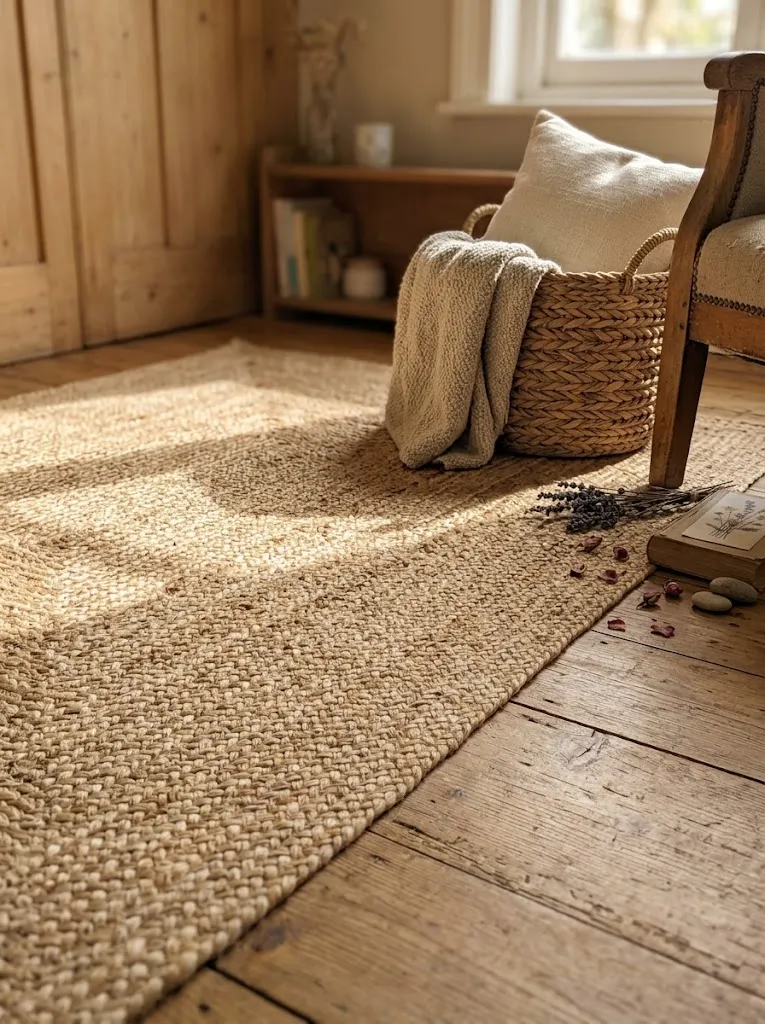
Before: Bare wood or cold tile floors can leave a room feeling unfinished and hard on bare feet. Plain rugs from big box stores often look flat and out of place against natural wood tones.
After: A chunky braided jute rug adds visible texture and warmth underfoot within minutes of laying it down. The natural fibers catch light differently than synthetic rugs, giving the whole room a handmade, grounded feel.
Jute rugs cost less than wool but still bring that earthy, woven texture cottagecore spaces are known for. They pair well with painted furniture and soften the transition between rooms with different flooring. Vacuum on a low setting to avoid pulling the natural fibers loose.
Open Kitchen Shelving
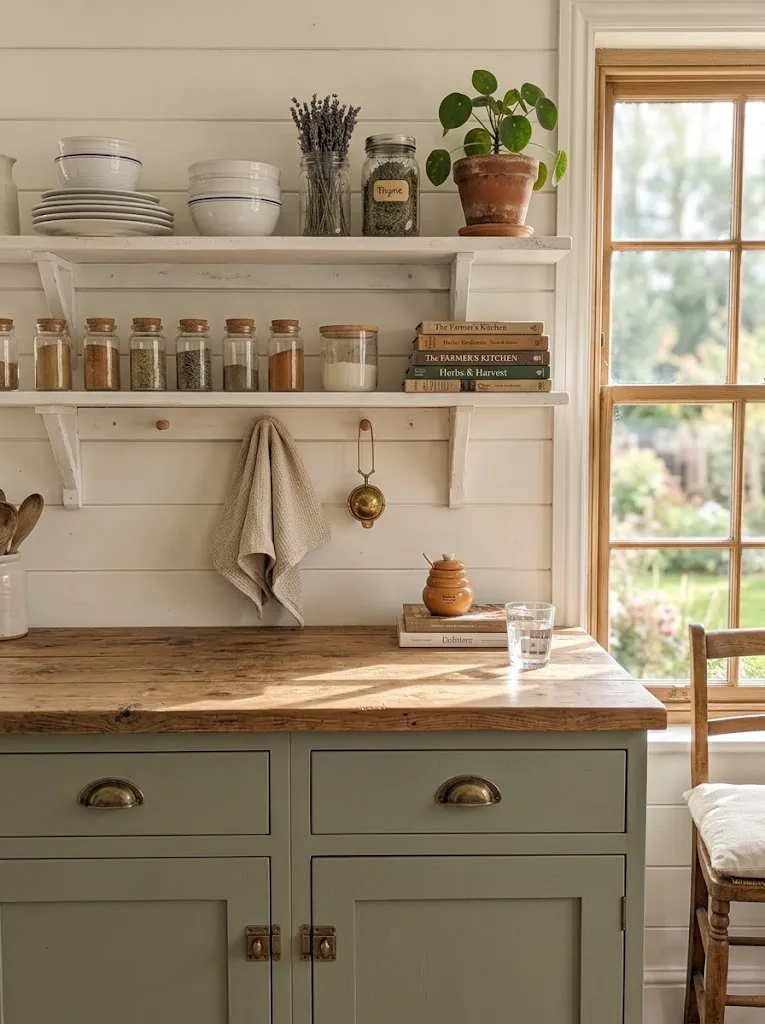
- Remove one or two upper cabinet doors, or install floating wood shelves in their place.
- Sand and paint the shelf edges to match your existing trim or ca
- binetry.
- Group dishware by color first, then by height, so the display reads as organized rather than cluttered.
- Add one or two small plants or dried herb bundles to break up solid rows of dishes.
- Leave a few inches of breathing room between stacks so the shelf does not look overloaded.
Open shelving works best in kitchens that already get good natural light, since dust and grease show more on exposed dishes. I’ve seen this work well in smaller kitchens especially, where closed cabinets can make the room feel boxed in. Keeping only your prettiest, most-used pieces on display keeps the look intentional instead of messy.
Antique Mirror Wall
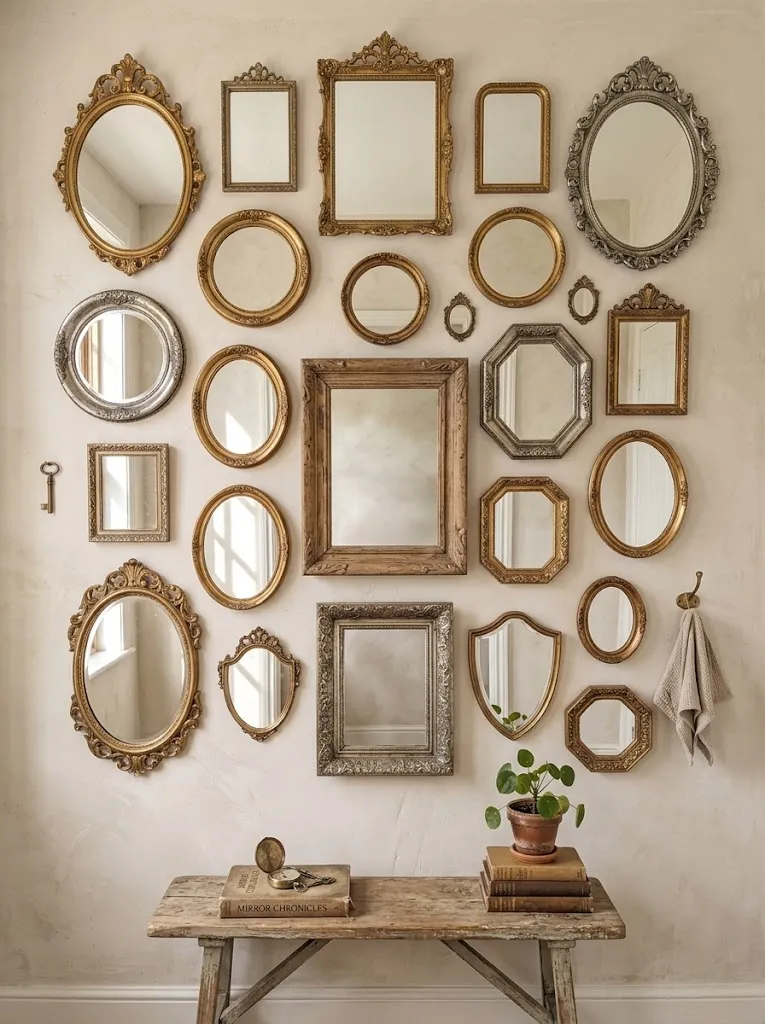
| Old Way (Single Mirror) | Better Way (Mirror Cluster) |
|---|---|
| One large mirror in a plain frame | Multiple small mirrors in mismatched vintage frames |
| Reflects light from one angle only | Bounces light across several angles for a brighter room |
| Reads as purely functional | Reads as a curated design feature |
| Limited visual interest | Adds depth, history, and texture to a bare wall |
A cluster of secondhand mirrors turns a plain hallway or entryway into a focal point without spending much money. Thrift stores and estate sales often sell single mirrors cheaply since buyers usually want matching sets. Arrange them loosely on the floor first before hanging, so you can adjust spacing and sizes until the layout feels balanced.
Painted Furniture Makeover
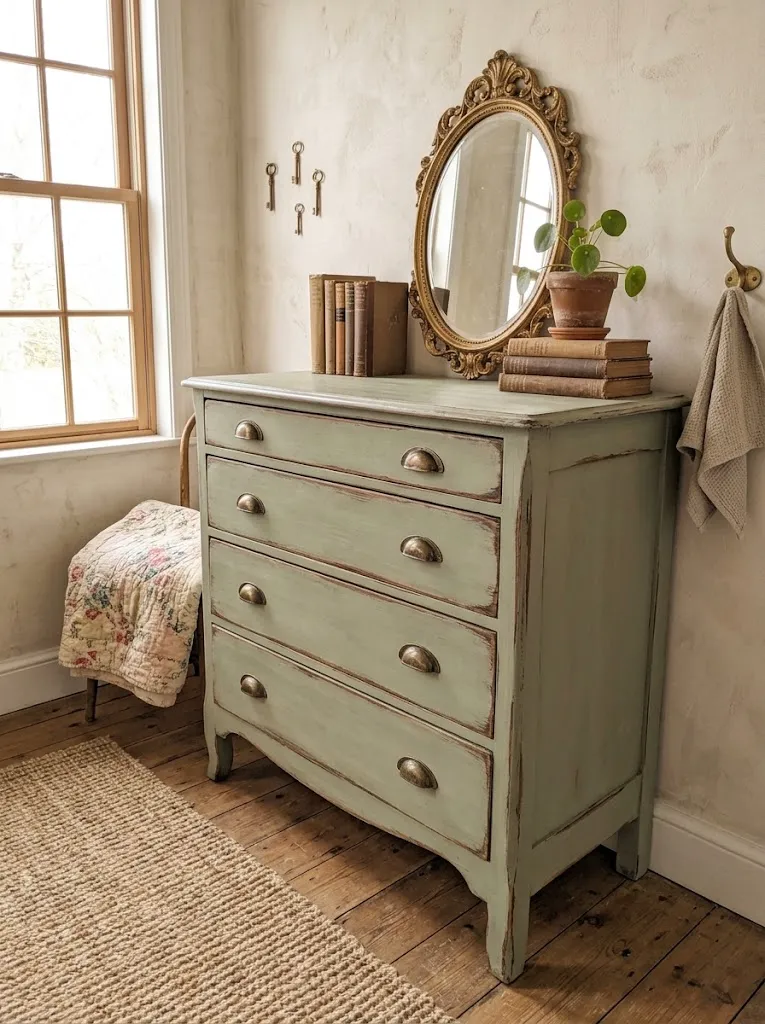
Do:
- Sand and clean wood surfaces before applying any paint or primer.
- Choose chalk or milk paint for an authentic matte, aged finish.
- Distress edges lightly with sandpaper after painting for natural wear.
- Seal the piece with wax or a matte topcoat to protect the finish.
Don’t:
- Skip primer on glossy or laminate furniture, since paint will peel within months.
- Use bright, modern paint colors that clash with a soft vintage palette.
- Rush the drying time between coats, which causes streaking and tackiness.
- Paint hardware without removing it first, since this looks sloppy up close.
An old dresser or side table with good bones is worth more than a new one from a catalog. Sage green, buttery cream, and dusty blue are reliable choices that suit most cottagecore rooms. Two thin coats always look better than one thick one, so be patient and let each layer cure fully.
Botanical Wallpaper Accent
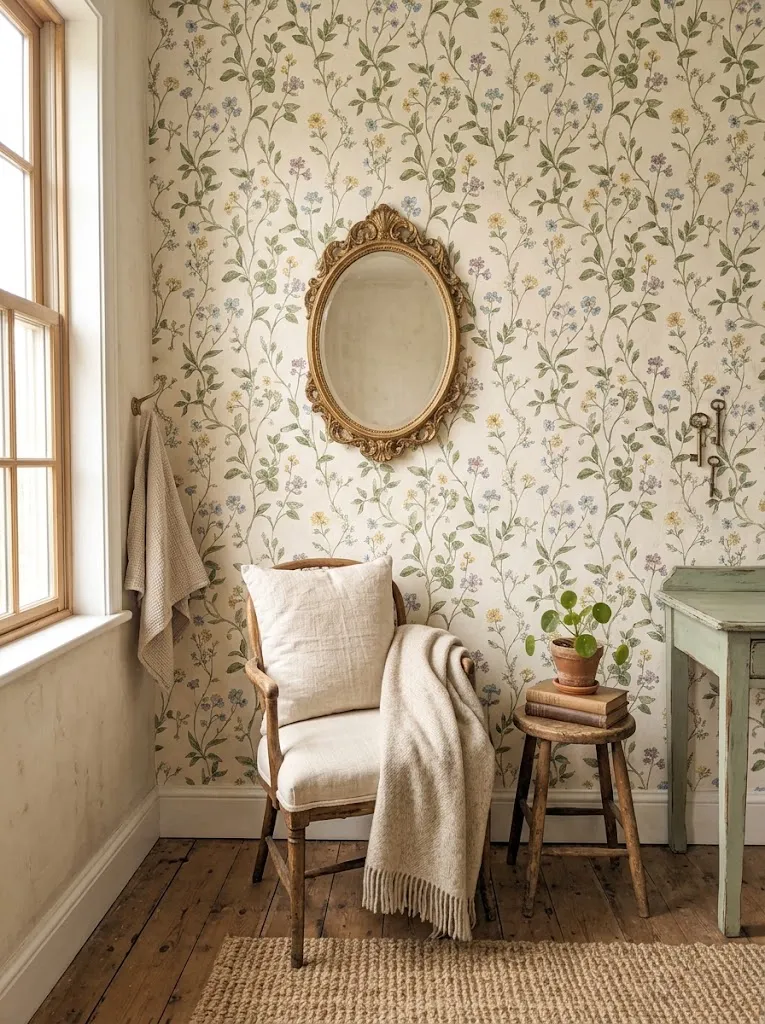
Cost: Moderate | Time: One weekend | Skill Level: Beginner to intermediate | Best For: Small rooms, alcoves, or one accent wall
Botanical prints with trailing vines, wildflowers, or herb illustrations bring the outdoors in without needing a single houseplant. Peel-and-stick versions are forgiving for renters and beginners, while pasted wallpaper lasts longer in high-traffic areas. Both options work well behind a bed, inside a pantry, or along a stairwell for a surprising pop of pattern.
Farmhouse Sink Upgrade
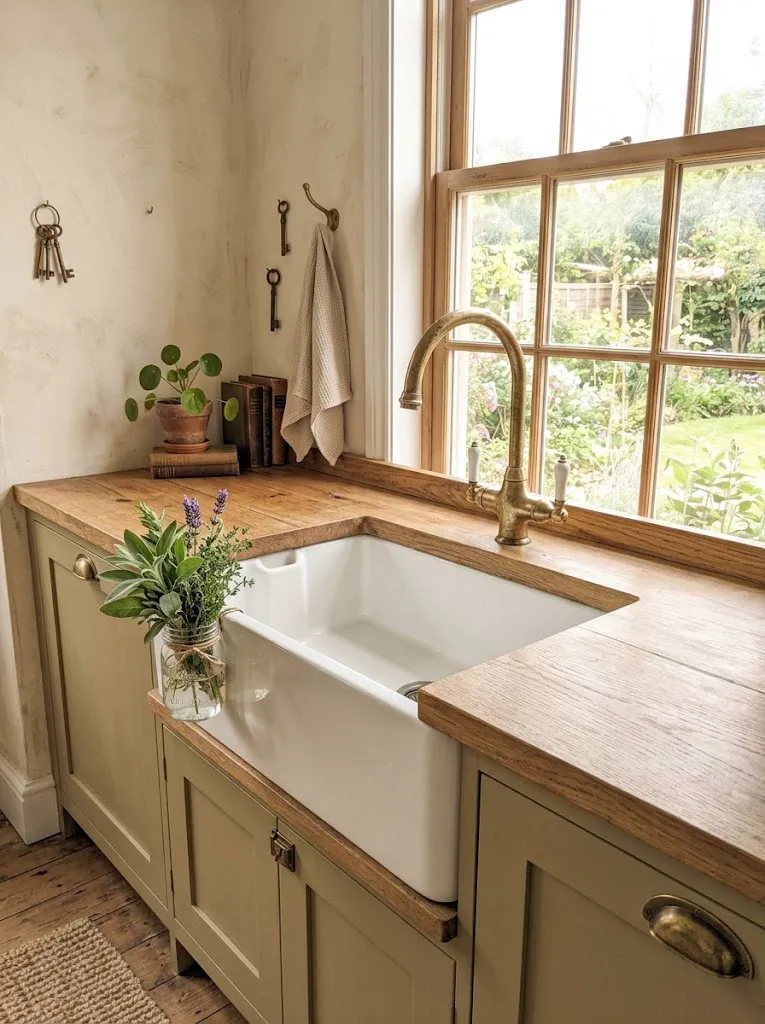
A farmhouse sink changes the entire feel of a kitchen more than almost any other single fixture. The deep basin makes washing large pots and trays genuinely easier, not just prettier to look at. Many homeowners hesitate because of installation cost, but retrofit kits now let you swap into existing cabinetry without rebuilding the whole counter.
Beyond function, the exposed apron front softens the hard lines of modern cabinetry and pairs naturally with wood counters, open shelving, and brass fixtures already common in cottagecore kitchens.
Gingham Fabric Accents
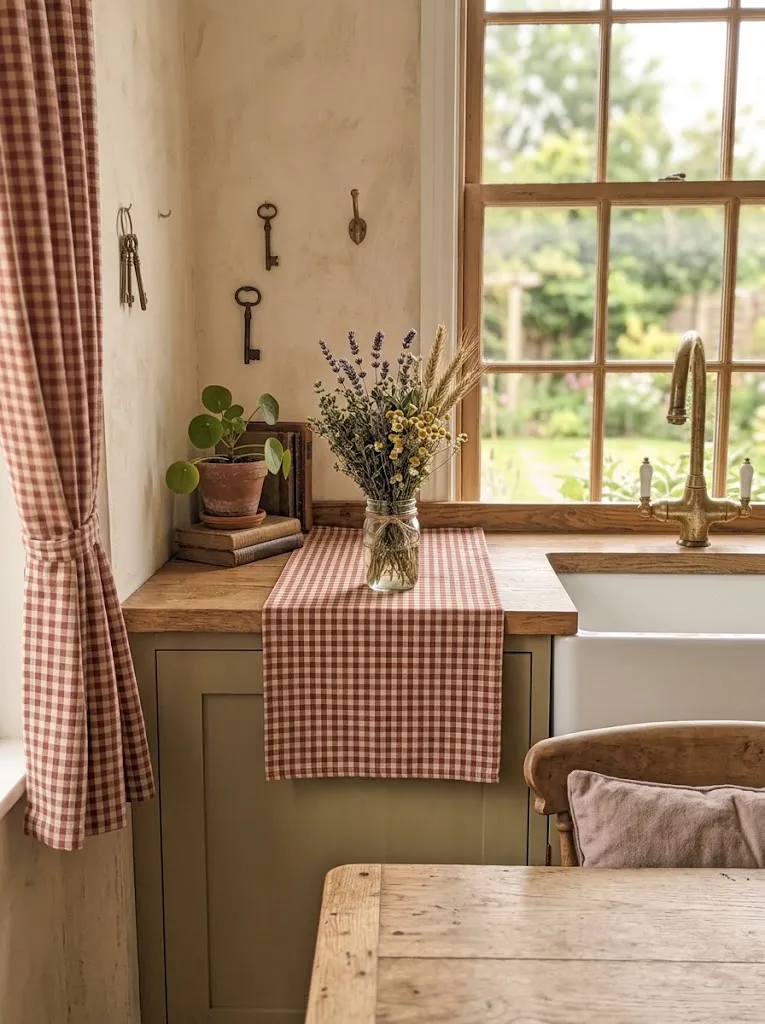
- Choose small-scale gingham checks over large ones, since tighter patterns read as more classic and less costume-like.
- Use gingham for kitchen curtains, table runners, or seat cushion covers where it gets the most visibility.
- Stick to red, blue, or black on a cream base for a traditional look, or try sage and butter yellow for something softer.
- Mix gingham with solid linens rather than other patterns, so the check stays the focal print in the room.
- Wash new fabric before sewing or hanging it, since cotton gingham tends to shrink slightly on the first wash.
Gingham is one of the easiest patterns to bring into a space because it pairs with almost anything already in a cottagecore room. A single tablecloth or curtain panel is often enough, since too much gingham at once can start to feel like a theme park instead of a home.
Handwoven Basket Storage
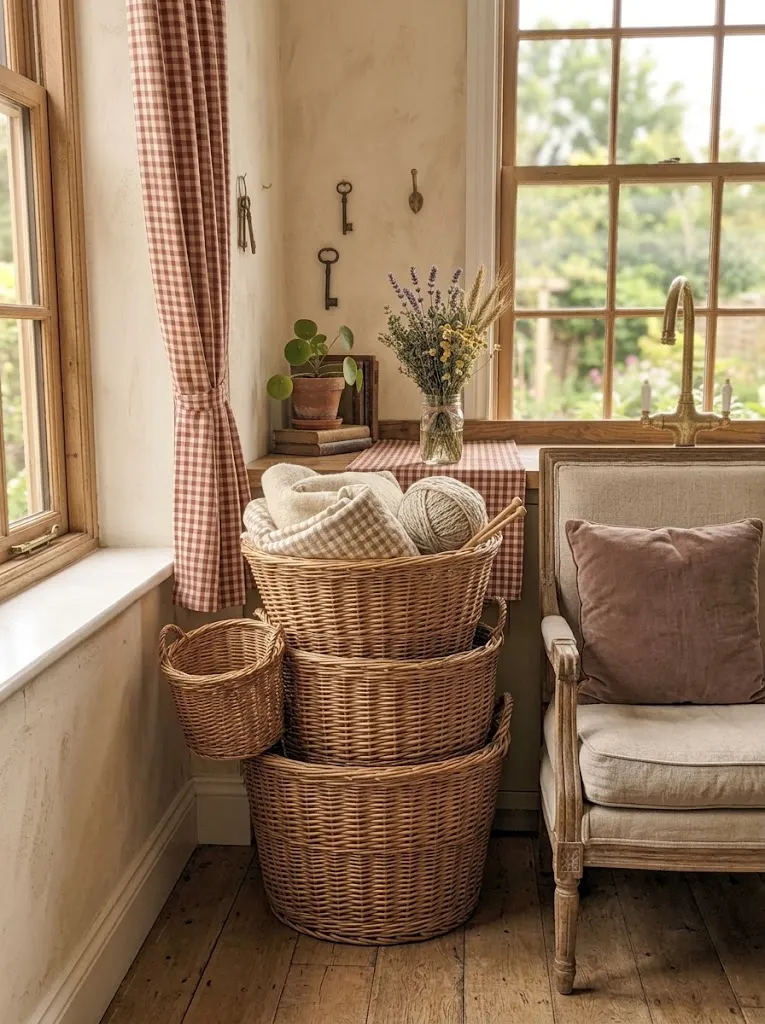
Quick Tip:
Label baskets from the inside using a small fabric tag instead of a visible sticker, so the organization stays hidden but the storage stays functional.
Baskets solve the problem most cottagecore rooms run into, which is hiding modern clutter like remotes, chargers, and mail without breaking the aesthetic. Stack two or three sizes together near a reading chair or by the front door. In my experience, seagrass and rattan baskets hold up better over years of daily use than paper rope versions, which tend to fray.
Exposed Wood Beams
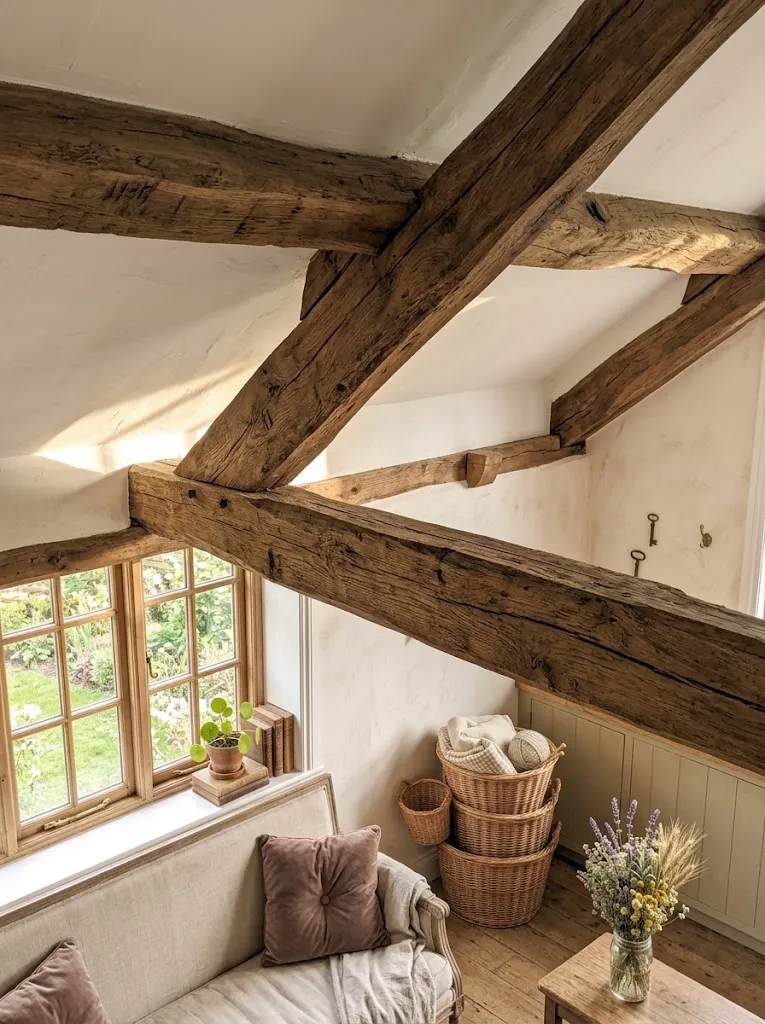
Before: A flat, plain ceiling can make a room feel modern and a little sterile, especially in newer builds without much architectural character.
After: Adding faux or reclaimed wood beams across the ceiling instantly brings warmth, texture, and a sense of age to the same room, even if the beams are purely decorative.
Lightweight faux beams made from polyurethane are far easier to install than real timber and cost a fraction of the price. They mount with basic hardware and hold paint or stain just as well as solid wood. For rooms with lower ceilings, keep beams a shade lighter than the walls so the room still feels open.
Cozy Reading Nook
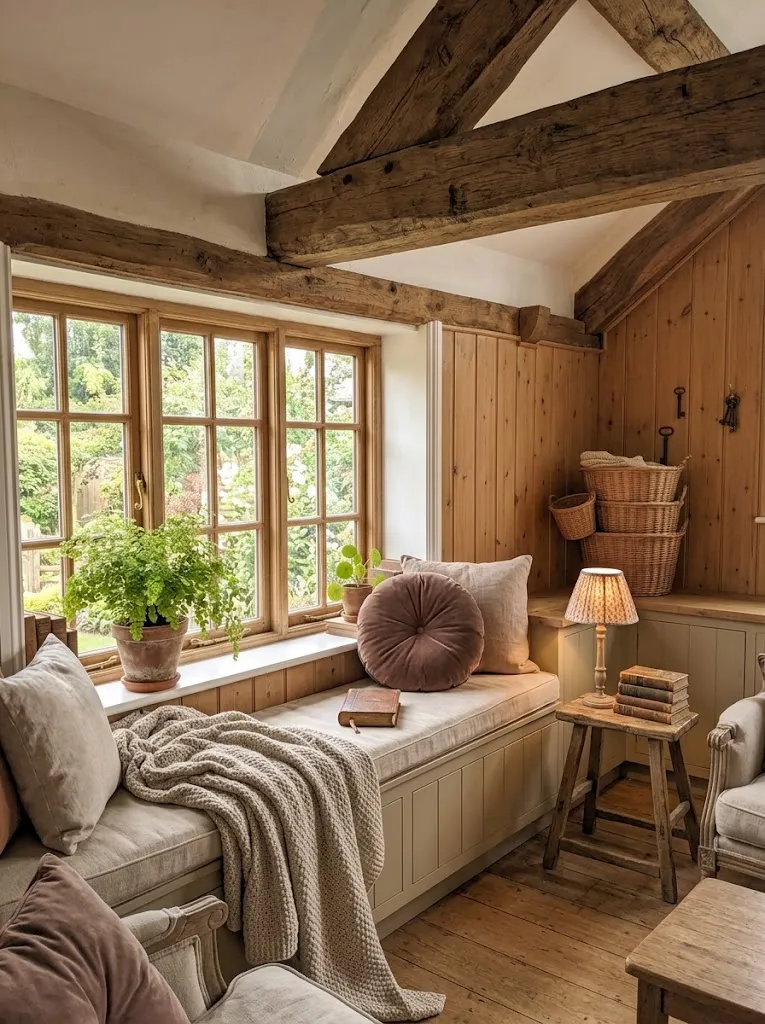
- Pick a spot near a window where natural light lasts most of the day, even if it is a small unused corner.
- Add a low bench, window seat, or single armchair rather than a full seating set, since the space works best kept simple.
- Layer in a wool throw, one or two cushions, and a small side table for a cup of tea or a stack of books.
- Hang a small reading lamp or sconce nearby for evening use once natural light fades.
A reading nook does not need square footage, it needs good light and one comfortable seat. I’ve noticed the smallest corners often become the most-used spot in a home once a cushion and blanket are added. Keep decor minimal here so the space stays calm rather than cluttered.
Painted vs Natural Wood Trim
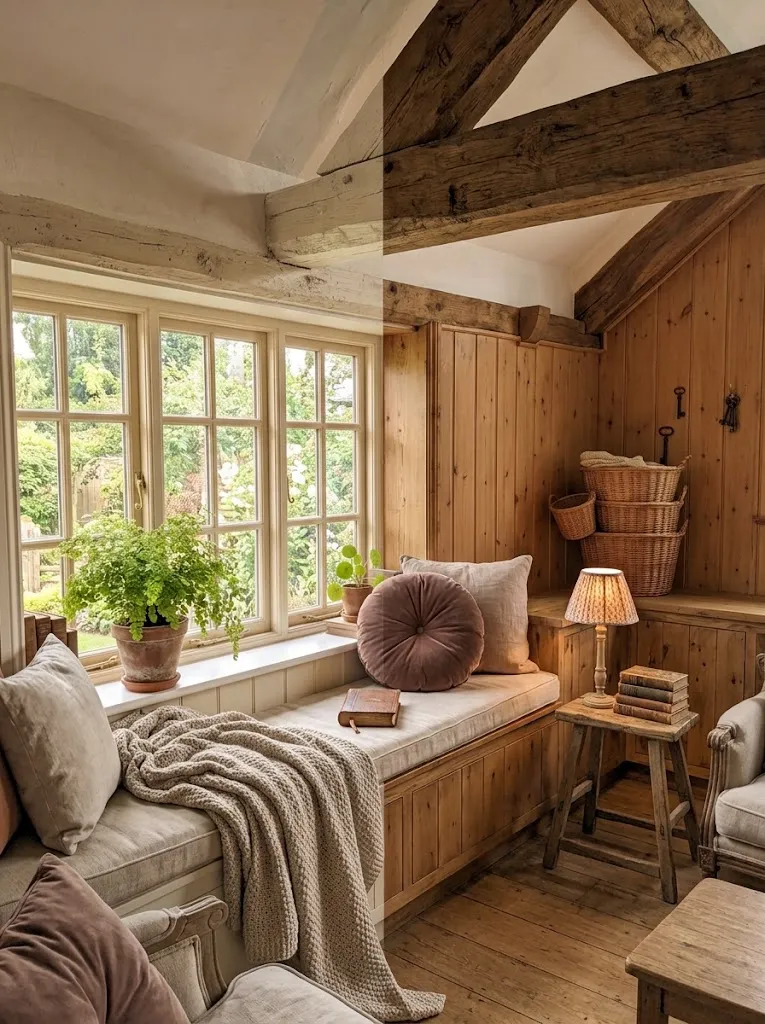
| Painted Trim | Natural Wood Trim |
|---|---|
| Brighter, cleaner look that suits lighter cottagecore palettes | Warmer, rustic look with visible wood grain |
| Easier to touch up and repaint over time | Requires periodic staining or sealing to maintain finish |
| Works well in smaller or darker rooms | Works well in rooms with strong natural light |
| Lower upfront cost using basic paint | Higher cost if refinishing original wood trim |
Neither option is wrong, but the choice changes the entire feel of a room. Painted trim in soft white or cream keeps things airy and works well with floral wallpaper or gingham fabrics. Natural wood trim suits homes with older architectural details worth preserving, since painting over original wood often lowers resale value.
Vintage Doorknobs and Hardware
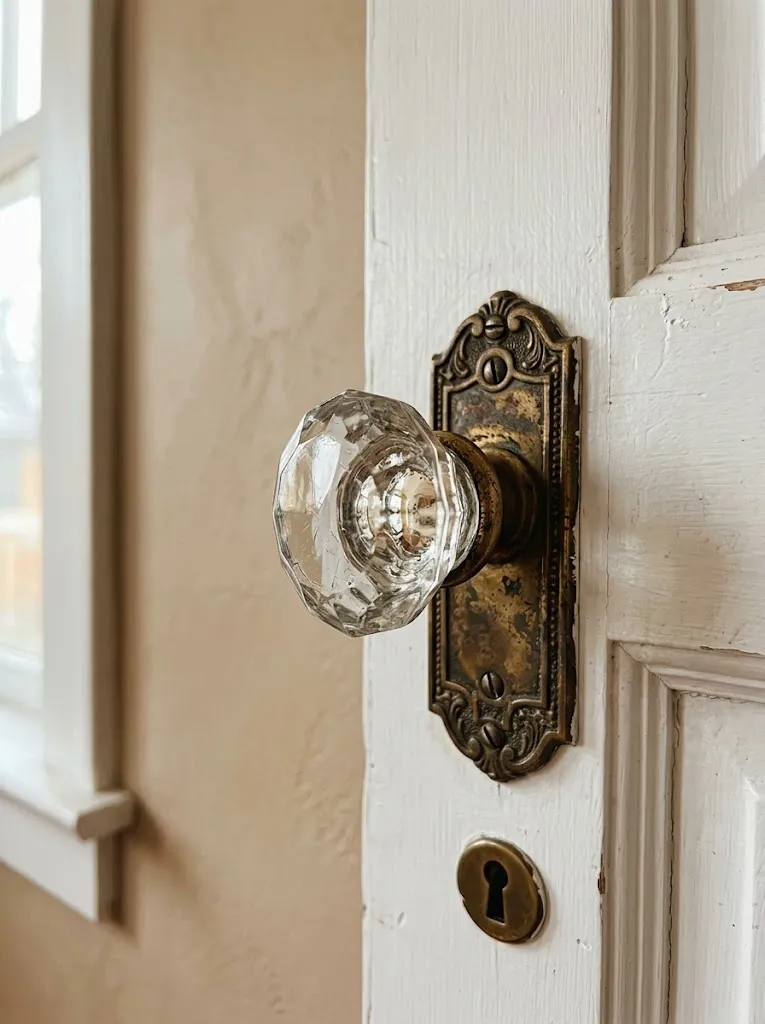
Do:
- Swap modern lever handles for glass or brass vintage-style knobs on interior doors.
- Check flea markets and salvage yards before buying new reproduction hardware.
- Clean tarnished brass gently with a soft cloth and mild vinegar solution.
- Match hardware finishes across a single room for a cohesive look.
Don’t:
- Mix more than two metal finishes in the same room, since it starts to look unplanned.
- Force old hardware onto doors it was not sized for without checking measurements first.
- Overpolish antique brass to a mirror shine, which strips away its natural aged character.
- Ignore squeaky or loose original hinges, since these small sounds are noticeable to guests.
Hardware is one of the cheapest ways to shift a room’s entire personality without touching paint or furniture. Glass doorknobs catch light beautifully and were common in homes built before the 1950s, which is why they read as instantly vintage. A single afternoon is usually enough to swap out hardware on every door in a small home.
Herb Garden Window Box
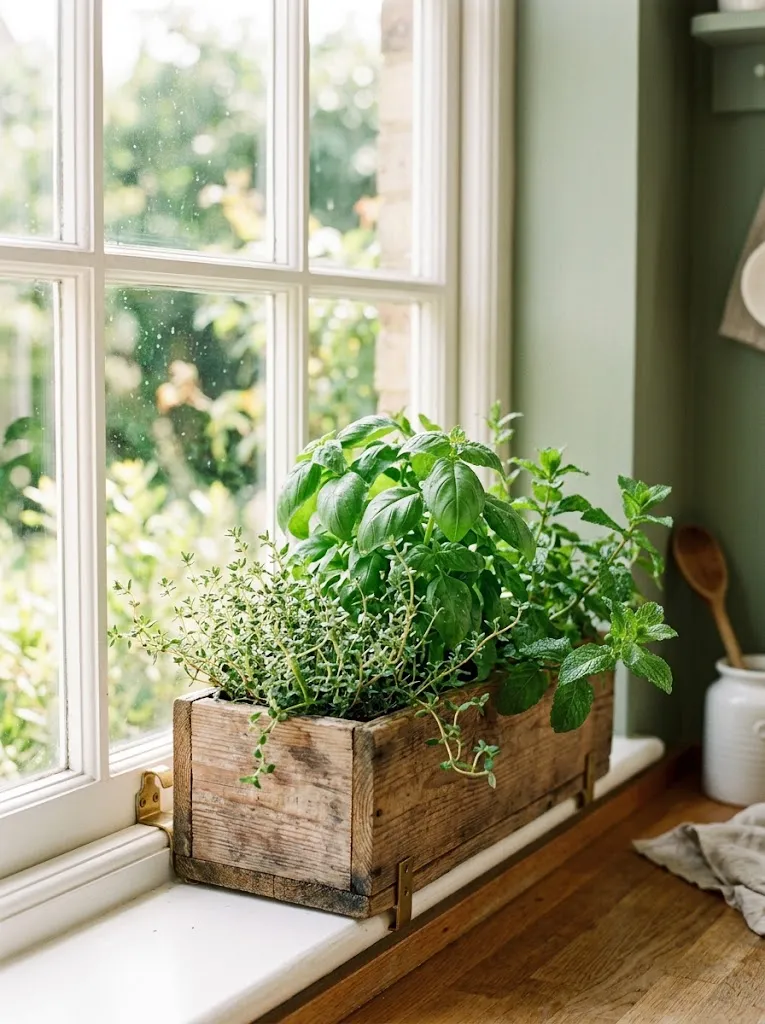
Cost: Low | Time: One afternoon | Skill Level: Beginner | Best For: Kitchen windows, back porches, small apartments
A wooden window box filled with basil, thyme, and mint puts fresh herbs within arm’s reach while adding greenery to an otherwise plain windowsill. Line the box with a plastic liner before adding soil to protect wood from rot, and choose a spot that gets at least four hours of sunlight daily. Herbs like mint spread quickly, so keep aggressive growers in their own small pots within the box rather than planting them directly in shared soil.
Quilted Bedding Layers
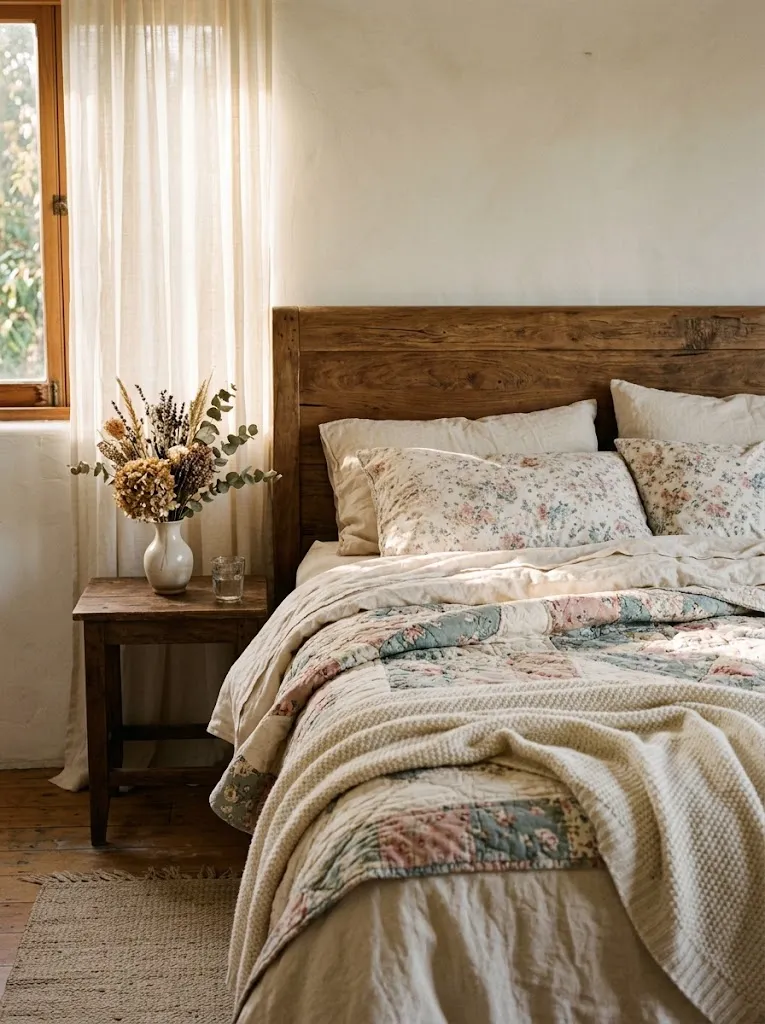
Layering makes a bed look finished in a way that a single comforter never quite achieves. Start with fitted linen sheets, add a lightweight quilt folded at the foot, then top with a knitted or woven throw for texture. Each layer serves a purpose beyond looks, since it also means guests can adjust warmth without stripping the whole bed.
Secondhand quilts often carry small stains or worn patches, and that is part of their appeal rather than a flaw to hide. A quilt with visible hand-stitching almost always looks better than a new machine-made version, even at twice the price.
Vintage Book Display

- Stack books horizontally in uneven groups of three to five rather than lining them upright on a shelf.
- Choose worn cloth covers in faded green, maroon, or navy over glossy modern dust jackets.
- Use a stack of books as a plant stand or lamp base for a functional display.
- Group books by cover color instead of by author or subject for a more visual arrangement.
- Add a small dried flower or ribbon as a bookmark peeking out from a closed book for extra charm.
Old hardcovers found at library sales or thrift shops usually cost less than a coffee, yet they add more character to a shelf than most decor pieces. That’s why many experts recommend buying books for their spines and texture alone, even ones you will never read. A single uneven stack on a side table often gets more attention than a fully styled shelf.
Vintage Enamelware Display
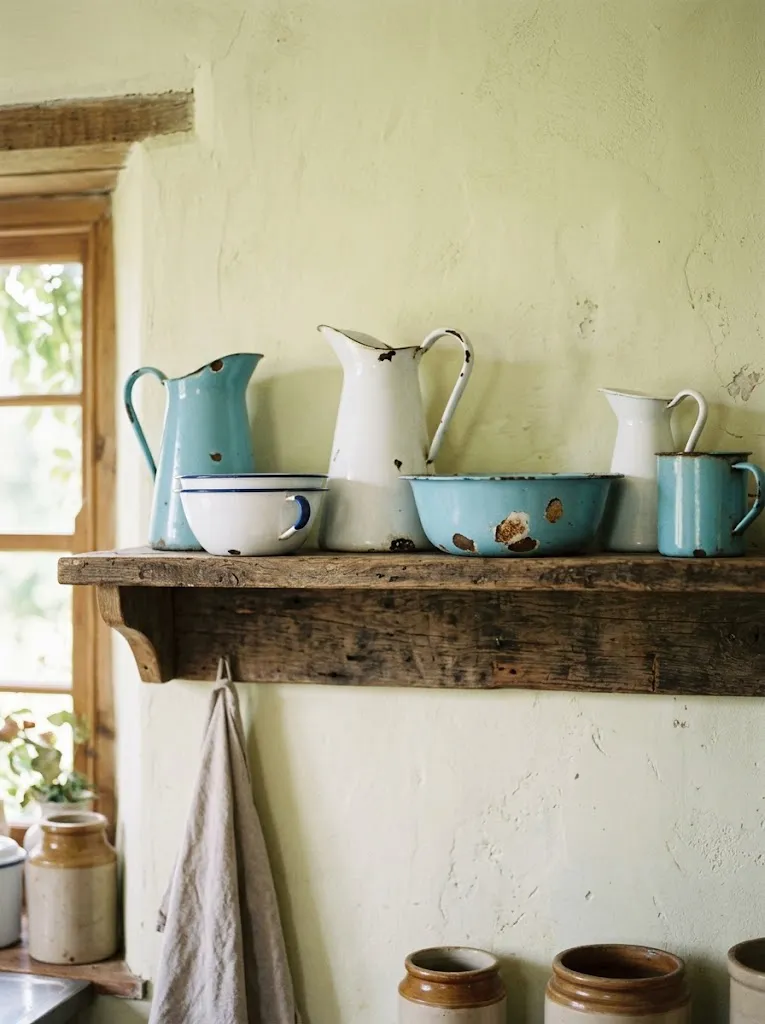
Cost: Low to moderate | Time: Ongoing collection | Skill Level: Beginner | Best For: Kitchen shelves, pantry walls, farmhouse tables
Chipped enamel pitchers, basins, and pots have a worn charm that new ceramics rarely capture. Look for pieces with speckled white, robin’s egg blue, or cream finishes at estate sales, since these colors show up most often in original cottagecore kitchens. A few pieces grouped on an open shelf or hung on a pegboard wall add instant texture without needing a full matching set.
Soft Floral Wallpaper
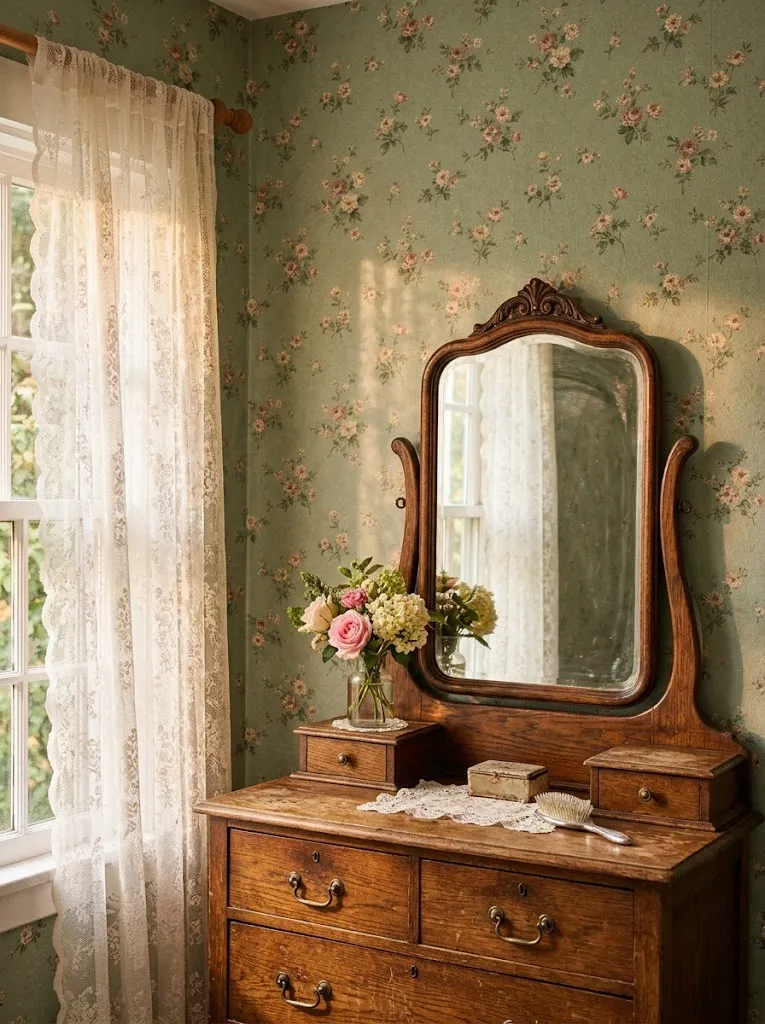
Small-print florals in muted tones bring softness to a room without overwhelming it the way bold modern prints can. Look for patterns with tiny sprigs or trailing vines rather than large, saturated blooms, since smaller scale prints tend to age better and fit more spaces.
A single accent wall is usually enough for a full room, while a smaller space like a powder room or closet can handle wallpaper on all four walls. Pair floral wallpaper with plain painted trim so the pattern stays the star of the room instead of competing with busy woodwork.
Repurposed Ladder Shelf
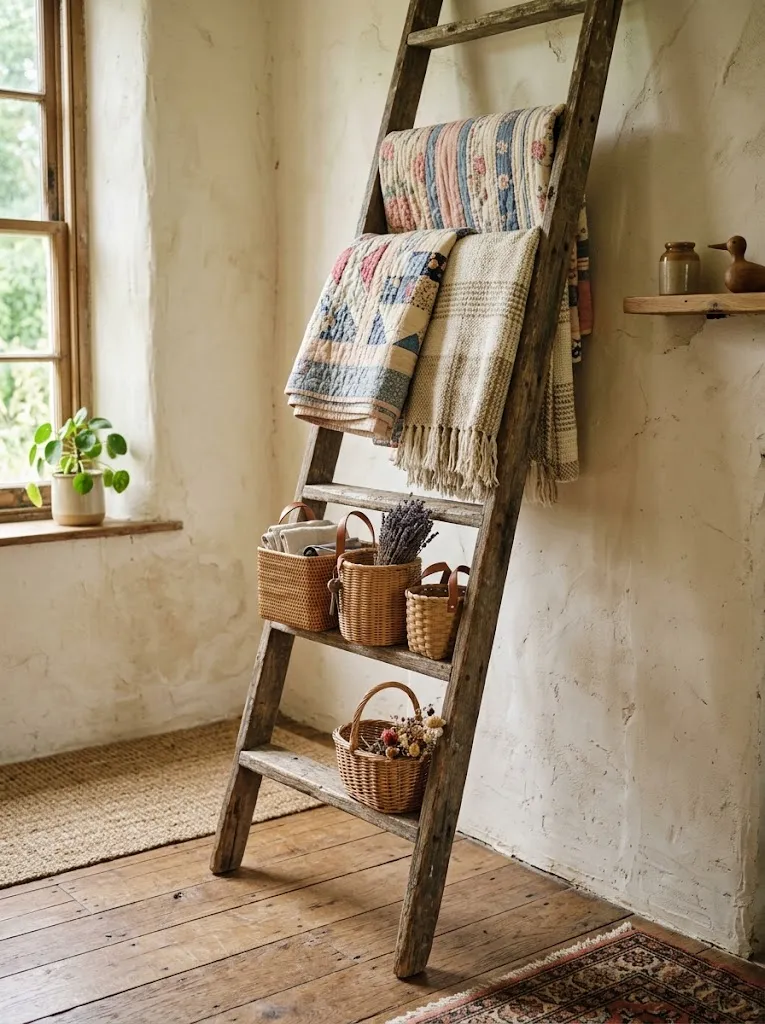
- Find an old wooden ladder at a barn sale, flea market, or salvage shop rather than buying a new decorative one.
- Sand rough edges lightly and leave the natural wood finish, or apply a light whitewash for a softer look.
- Lean the ladder against a wall at a slight angle for stability rather than trying to stand it perfectly straight.
- Drape quilts, towels, or scarves over the rungs for both storage and display.
- Use the top rungs for lightweight items and reserve the bottom for heavier baskets or books.
An old ladder turns unused wall space into functional storage without a single nail or bracket. I’ve tried this in a narrow hallway where a bookshelf would not fit, and it solved the problem while adding real character. The slight wear and unevenness of a genuine vintage ladder is what makes it look intentional rather than like a prop.
Wildflower Table Centerpiece
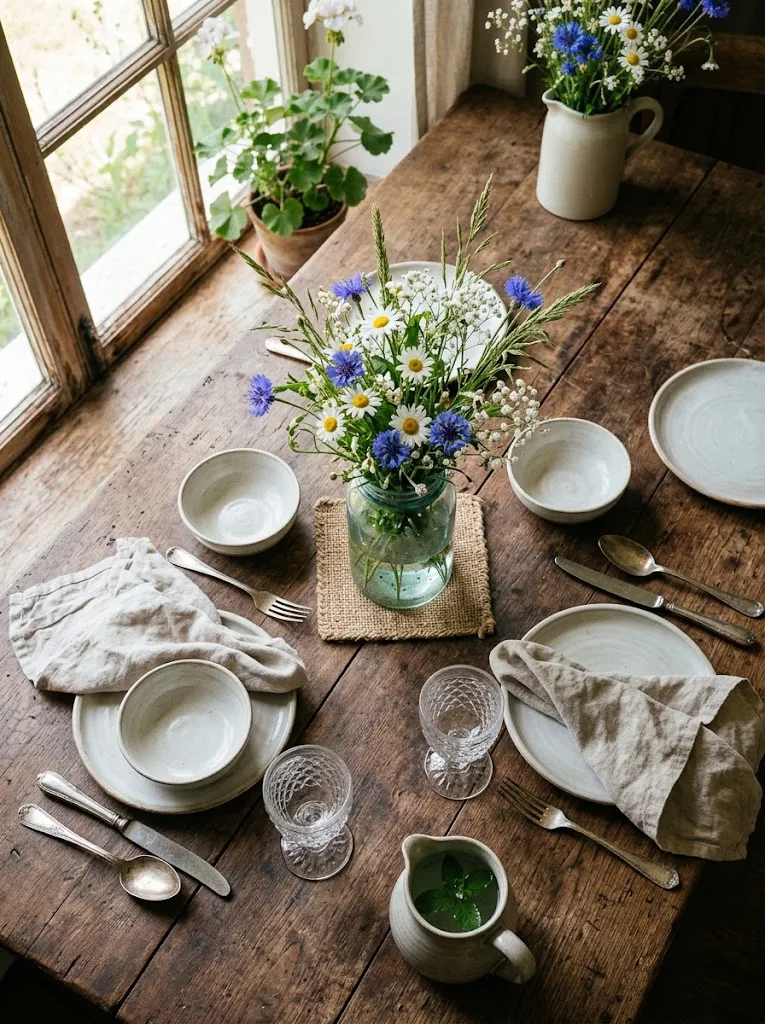
- Cut stems at an angle and place them in water immediately to help wildflowers last longer once arranged.
- Choose a low jar or short pitcher so the centerpiece does not block sightlines across the table during meals.
- Mix three or four flower types instead of just one, keeping colors within a similar soft palette.
- Add a few trailing greens or herb sprigs like mint to fill gaps naturally without looking too formal.
- Refresh the water every two days and trim stems slightly to extend how long the arrangement stays fresh.
A centerpiece does not need to be perfect to work, and slightly uneven arrangements often look more natural than tightly styled ones. Foraged flowers from a backyard or roadside cost nothing and still bring the same charm as a florist bouquet. Keep the height low enough that guests can see each other across the table.
Cast Iron Cookware Display
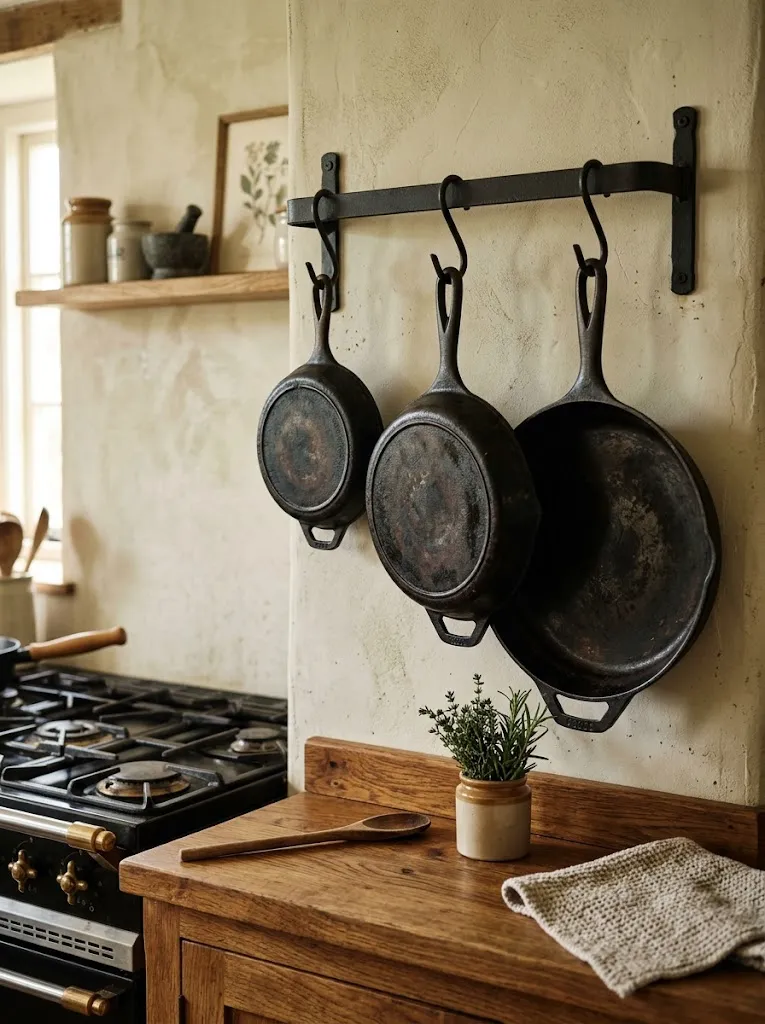
| Hidden in Cabinets | Displayed Openly |
|---|---|
| Cookware stays out of sight until meal prep | Cookware becomes part of the kitchen’s visual style |
| Takes up cabinet space that could store other items | Frees up cabinets for less attractive kitchen items |
| No added character to the room | Adds warmth, texture, and a well-used, lived-in feel |
| Risk of dents or scratches from stacking | Requires wall hooks or a rack to store safely |
Well-seasoned cast iron skillets and pots have a dark, matte finish that fits naturally into a cottagecore kitchen without any extra styling. Hang two or three pieces on a wall-mounted rack near the stove, both for easy access and as a functional display. Choose pieces with worn wooden handles or aged patina over anything that looks brand new, since the texture is part of the appeal.
Vintage Sewing Machine Table
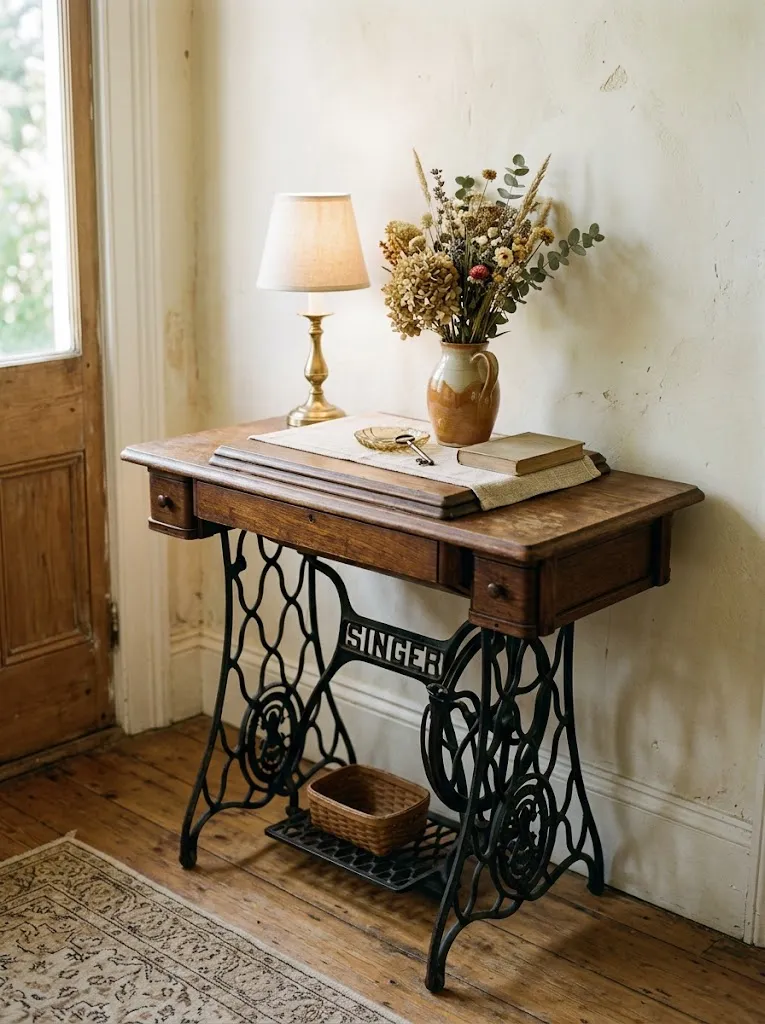
Do:
- Look for treadle-style sewing machine tables at estate sales, since the cast iron base and wood top work well as a console or entry table.
- Keep the original sewing machine head in place as a decorative feature if it still fits the table.
- Use the table surface for a lamp, small vase, or stack of books rather than heavy electronics.
- Check that the wood top is stable and free of major cracks before buying.
Don’t:
- Refinish the cast iron base with modern paint, since the aged black finish is part of its value and look.
- Overload the table with too many decor items, which hides the interesting shape of the base.
- Use it as a primary desk for daily computer work, since the surface height is often too low for comfort.
- Ignore squeaky treadle pedals, which can be oiled easily instead of left to worsen.
A vintage sewing table brings an unexpected, functional piece of history into an entryway or living room. In my experience, these tables sell for less than comparable console tables simply because most buyers do not recognize what they are looking at. The ironwork alone gives a room a sense of age that new furniture cannot replicate.
Final Thoughts
Bringing a little cottagecore charm into your home does not require a full renovation or a big budget. Small changes, like swapping in vintage hardware, layering a few textures, or displaying a stack of old books, add up to a space that feels warm and personal. I’ve seen how small changes like these can completely shift the way a room feels, from something plain to something you actually want to spend time in.
Save these cottagecore decor ideas to your Pinterest board so you can come back to them anytime, and try one this week. If a friend or family member is planning a refresh of their own, pass this list along. A cozier home is closer than you think.