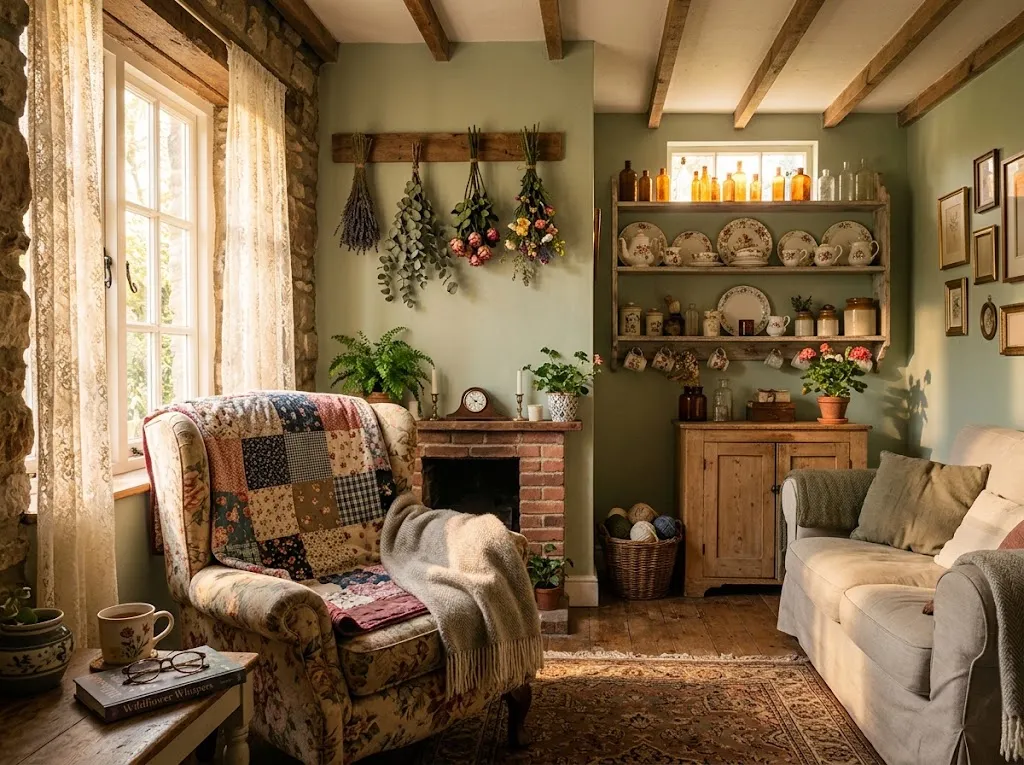
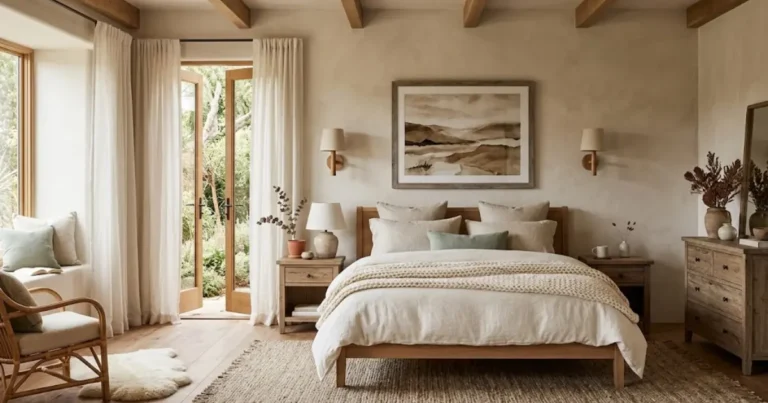
There’s something about a home that feels soft, warm, and just a little bit magical. If you’ve ever scrolled through cottage photos and wished your own space felt that dreamy, you’re not alone. A cottagecore style home is built from small, gentle details rather than one big renovation, and that’s exactly what makes this look so achievable.
In this article, you’ll find 23 ideas that bring that cozy, nature-inspired charm into any space, whether you’re working with a full house, a rented apartment, or just one room you want to transform. From dried flower bunches to twinkle light ceilings, each idea is simple enough to try this weekend.
I’ve noticed that most people overthink this style, assuming it requires a countryside cottage to pull off. It doesn’t. A few thoughtful touches, layered slowly, are usually all it takes to make a space feel warm, personal, and quietly enchanting.
1. Dried Flower Bunches

Nothing says quiet cottage charm quite like a bundle of flowers hanging to dry near a window. This small detail turns any bare wall or empty corner into something worth photographing. Dried florals last for months without any watering or fuss, which makes them a favorite for people who love the look but not the upkeep.
I’ve noticed that mixing textures works better than sticking to one flower type. Try pairing papery statice with soft lavender stems for depth. Hang them at different heights along a shelf or beam so the eye has somewhere to travel, and the whole wall feels layered instead of flat.
2. Vintage Lace Curtains
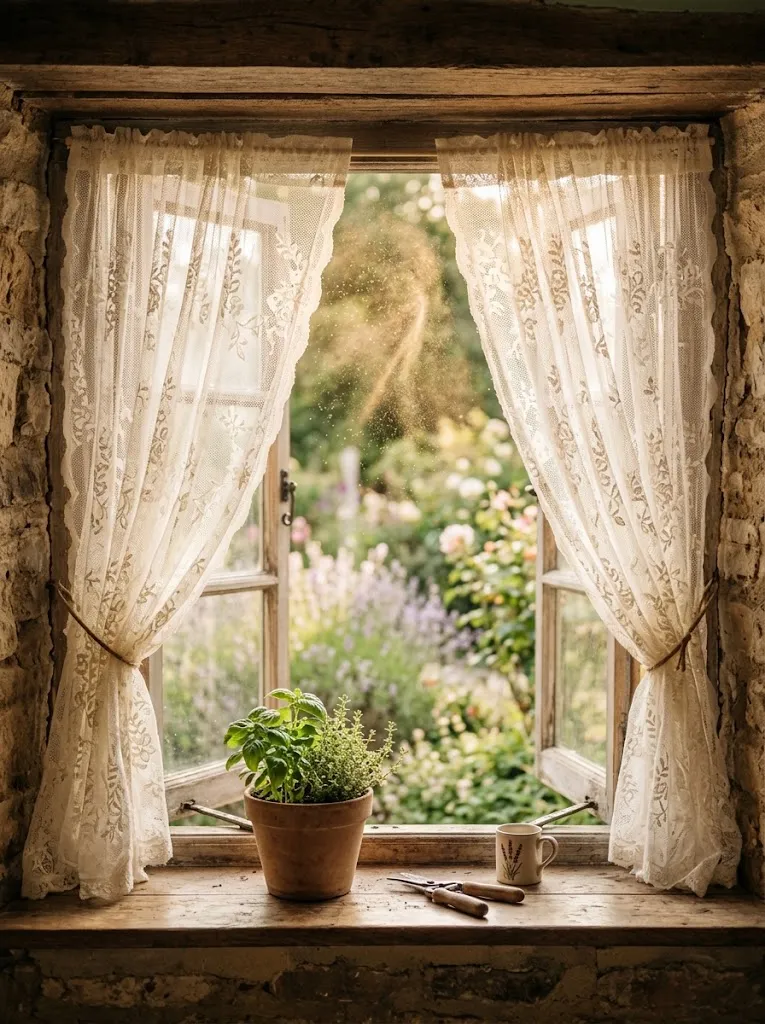
Old lace has a softness that new fabric rarely matches, and that’s exactly why it works so well in a cottagecore style home. Light passes through it in a way that feels gentle rather than harsh, turning even a plain window into a focal point.
- Thrift stores and estate sales often carry authentic vintage lace panels for a fraction of retail price.
- A slightly imperfect or yellowed lace panel usually adds more charm than a flawless one.
- Layering lace under a solid curtain gives you privacy at night while keeping the delicate look during the day.
- Hand washing lace in cold water helps preserve the fine threads for years.
- Hanging panels slightly higher than the window frame makes ceilings feel taller.
Lace curtains cost very little compared to most window treatments, yet they change the entire feel of a room. Once they’re up, the space starts to feel unhurried, like it belongs to an older, slower kind of home life.
3. Mismatched Vintage Dishware
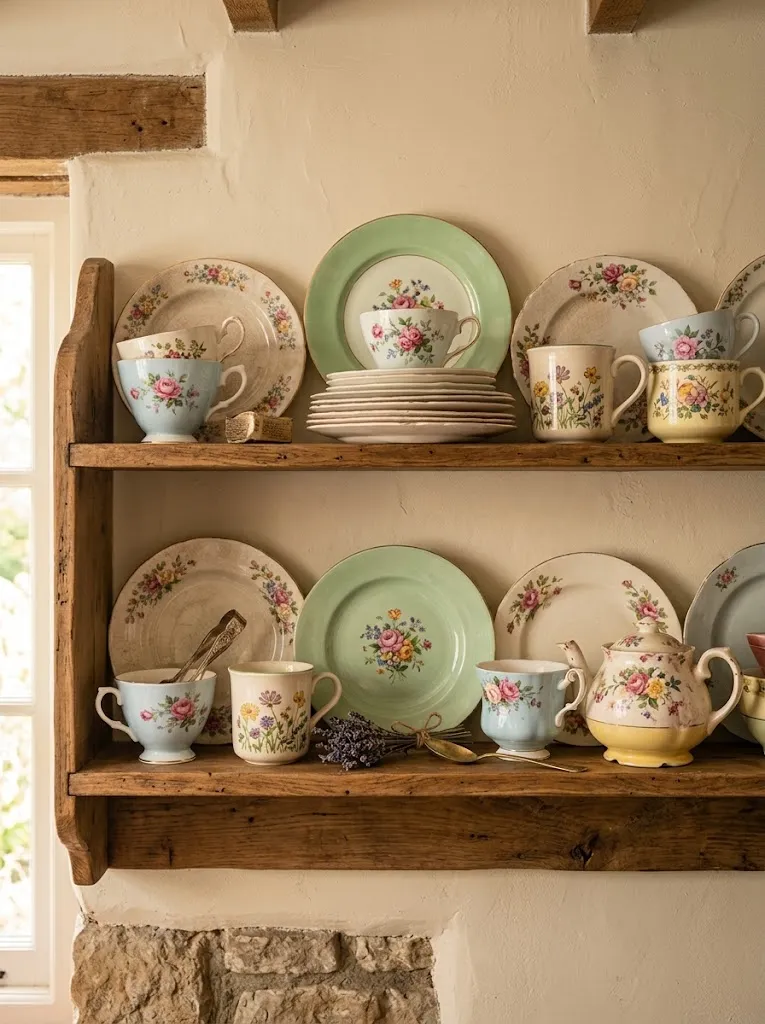
Quick Tip: Stick to one loose color family, such as soft blues, pinks, or creams, even when mixing different patterns. This keeps the mismatched look feeling intentional instead of cluttered.
Perfectly matching dish sets rarely feel warm. A collection gathered piece by piece over time tells a story every time you set the table. This is one of the easiest ways to bring personality into a kitchen without spending much money at all.
I’ve tried building a full set from scratch, and it never looked as good as the collection I slowly built from flea markets. Each piece having its own history is part of what makes the whole shelf feel special rather than staged.
4. Fresh Wildflower Arrangements
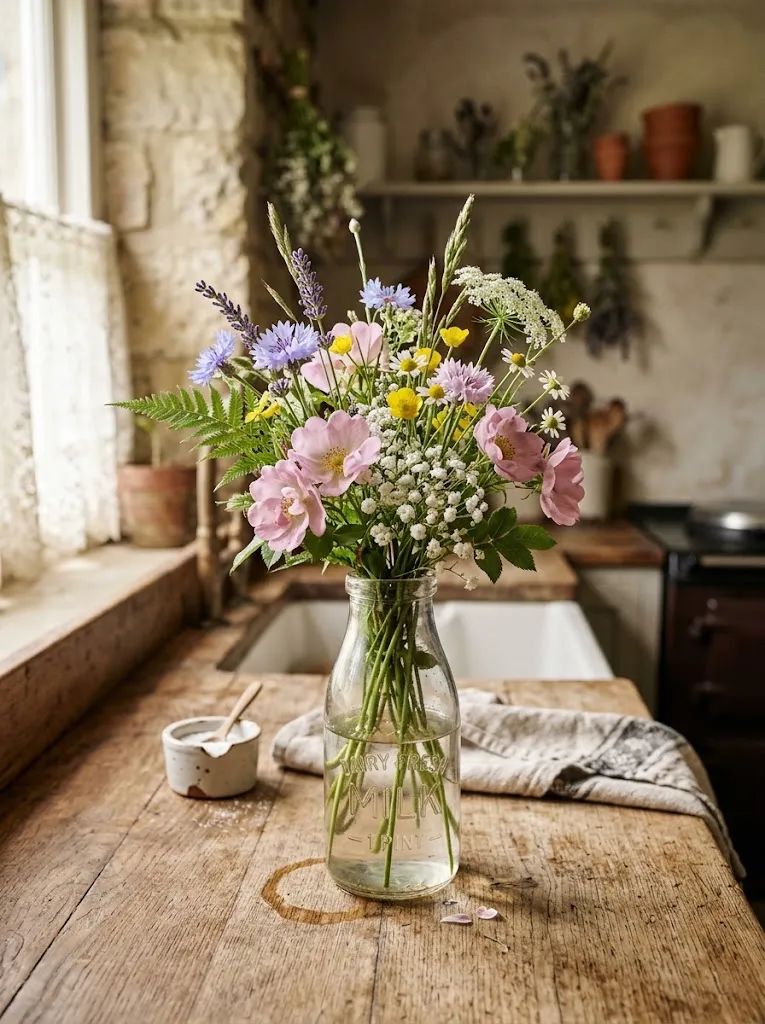
Before: A kitchen counter or dining table often sits bare, or holds a single stiff arrangement from the grocery store that looks more formal than homey.
After: The same surface holds a loose, slightly uneven bunch of garden blooms in a mismatched jar, instantly softening the whole room and making it feel gathered rather than bought.
A jam jar or an old milk bottle works better than a formal vase for this look. Skip the perfectly arranged bouquet. Uneven stems and a few wilting petals actually add to the charm, since nothing in a cottagecore style home is meant to look too polished.
That’s why many experts recommend cutting flowers at a slight angle and changing the water every two days. It keeps the arrangement fresh longer without losing its natural, just-picked appearance, which is the whole point of this look in the first place.
5. Antique Mirror Corner
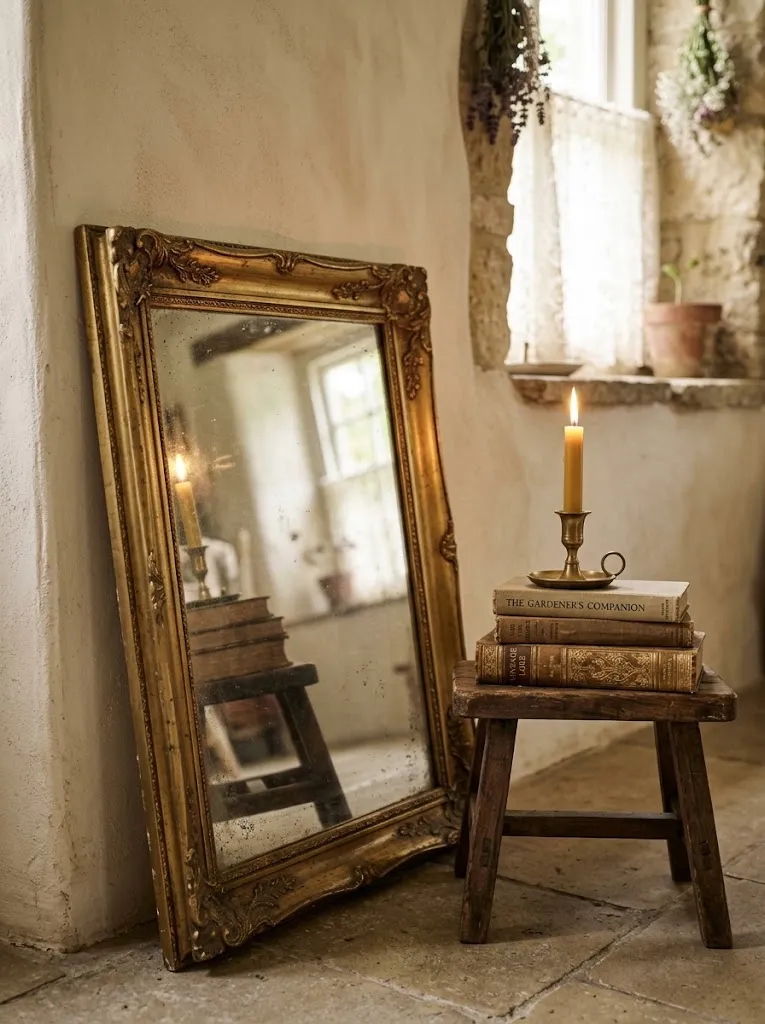
- Find a vintage mirror with a worn gold, wood, or chipped paint frame at a thrift shop or estate sale.
- Lean it against a wall instead of mounting it, angled slightly for a relaxed, collected look.
- Place a small stool or stack of old books beside it to fill the empty floor space.
- Add a taper candle or dried flower stem on top of the stack for extra texture.
- Position it near a window so it reflects natural light back into the room.
An antique mirror does more than reflect the room. It adds age and story to a corner that might otherwise feel unfinished. Leaning it rather than hanging it also means no drilling, which makes this one of the easiest updates for renters.
6. Reading Nook Setup
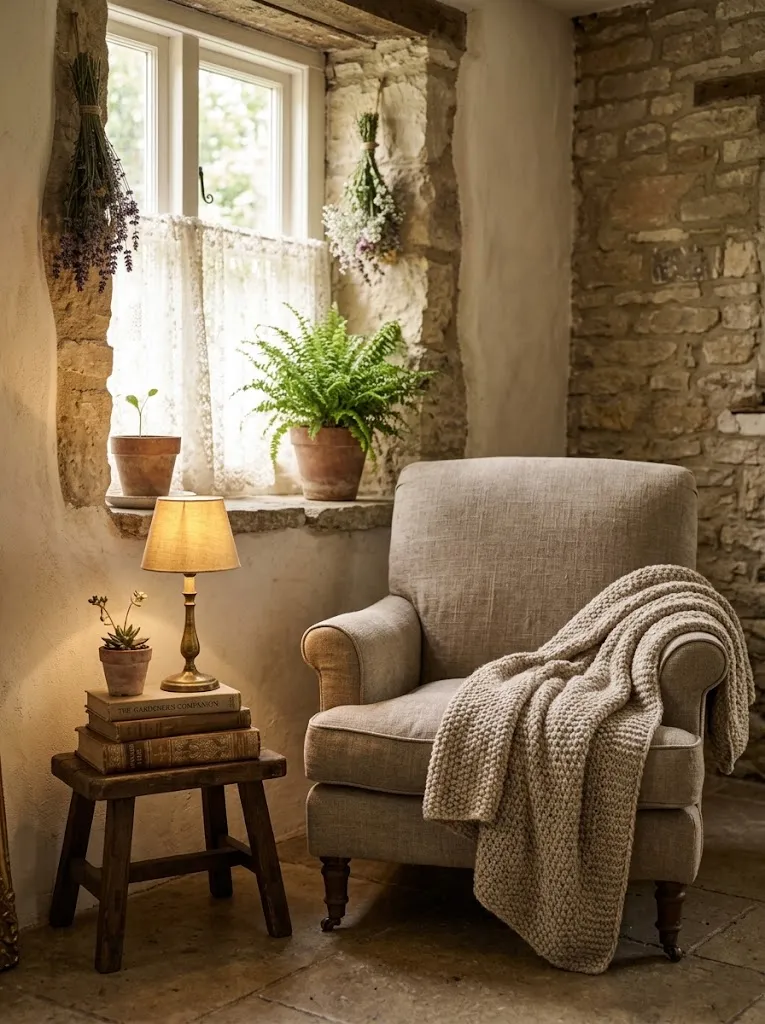
| Old Way | Better Way |
|---|---|
| Plain armchair pushed against a bare wall | Armchair paired with a small side table, warm lamp, and soft throw blanket |
| Overhead lighting only | Layered lighting with a lamp or string lights for a warm glow |
| No visual anchor point | A stack of well-loved books and a potted plant to ground the space |
Every cottagecore style home benefits from at least one small corner built just for slowing down. A reading nook does not need much square footage. It needs warmth, comfort, and a reason to sit still for a while.
I’ve seen this work well even in tiny apartments, where a single armchair by a window became the most used spot in the whole home. The size of the space matters far less than how inviting it feels once you sit down in it.
7. Braided Rag Rugs
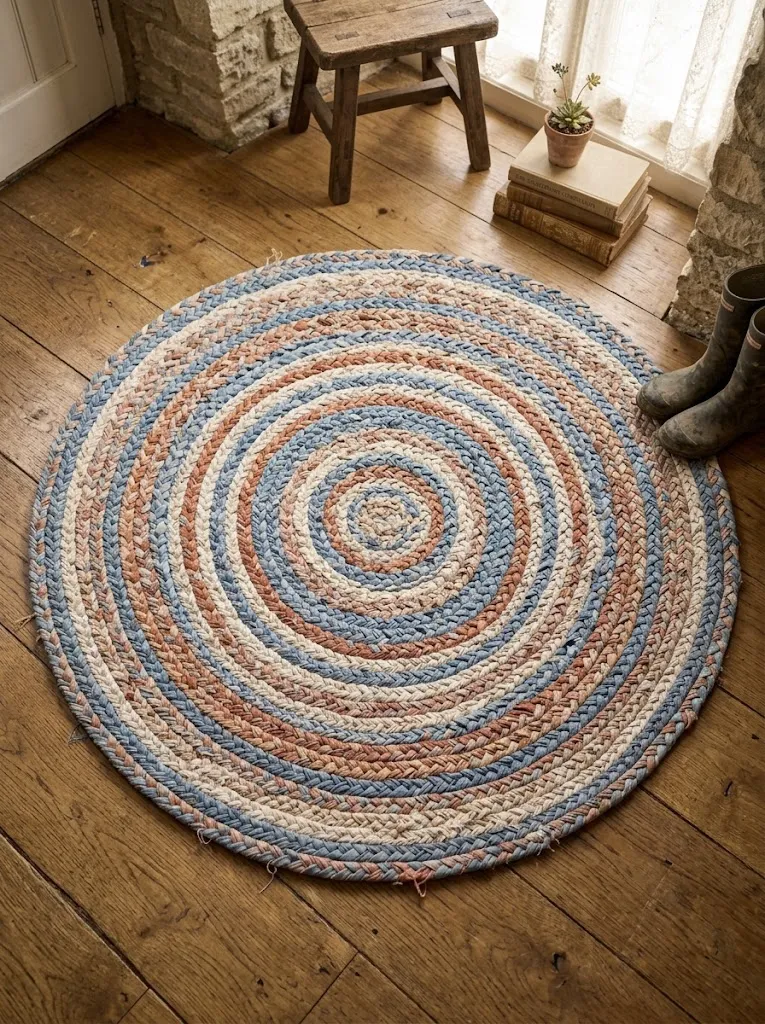
DO
- Layer a braided rug over hardwood or tile for warmth underfoot.
- Choose muted, faded colors over bright, saturated tones.
- Place it in high-traffic spots like the kitchen or entryway where it gets natural wear.
- Rotate it every few months so fading happens evenly.
DON’T
- Don’t choose a rug with a glossy or synthetic sheen, it breaks the handmade look.
- Don’t center it perfectly in the room, a slightly off-angle placement feels more natural.
- Don’t skip a rug pad, since braided rugs can slide on smooth floors.
A braided rug grounds a room in a way that modern rugs rarely manage. It softens hard floors, muffles footsteps, and adds a patchwork of color that feels handmade even when it was store-bought.
8. Herb Garden Windowsill
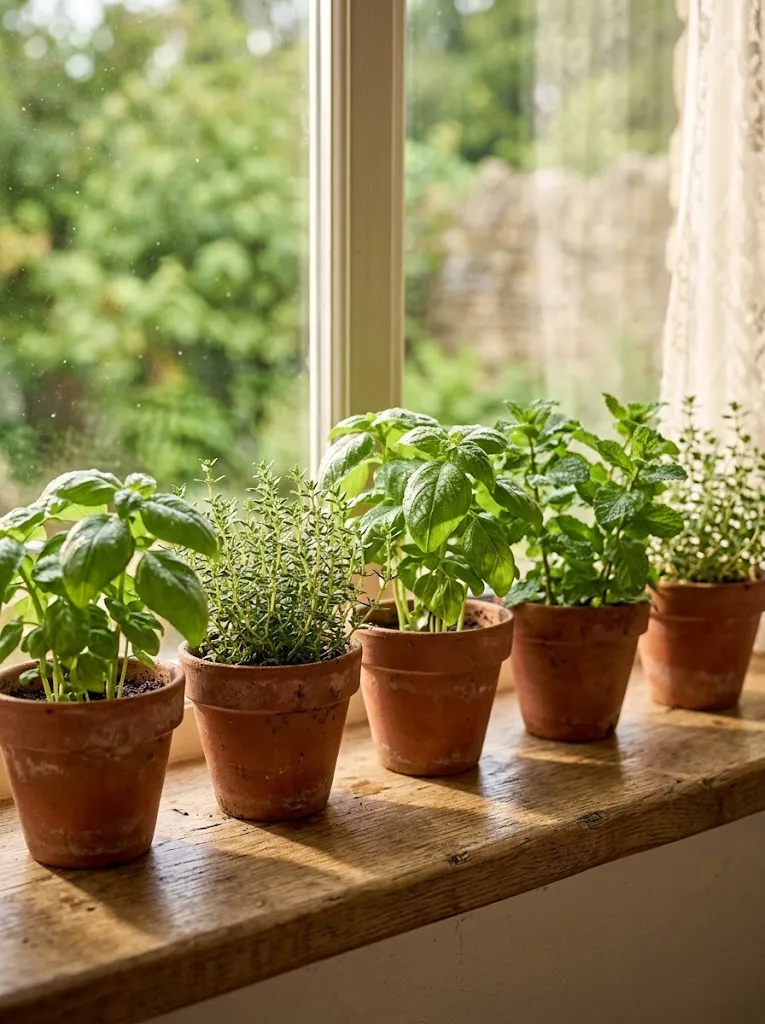
Cost: Low | Time: One weekend to set up | Skill Level: Beginner | Best For: Kitchens and sunny windows
A row of small clay pots holding basil, thyme, and mint turns a windowsill into something both useful and beautiful. This is a favorite starting point for anyone new to this style, since it requires very little space and almost no gardening background.
In my experience, herbs like mint and chives tolerate beginner mistakes far better than delicate flowers do. Even a windowsill that gets partial sun can support a small herb collection, and the payoff is fresh seasoning within arm’s reach of the stove.
9. Exposed Wooden Beams
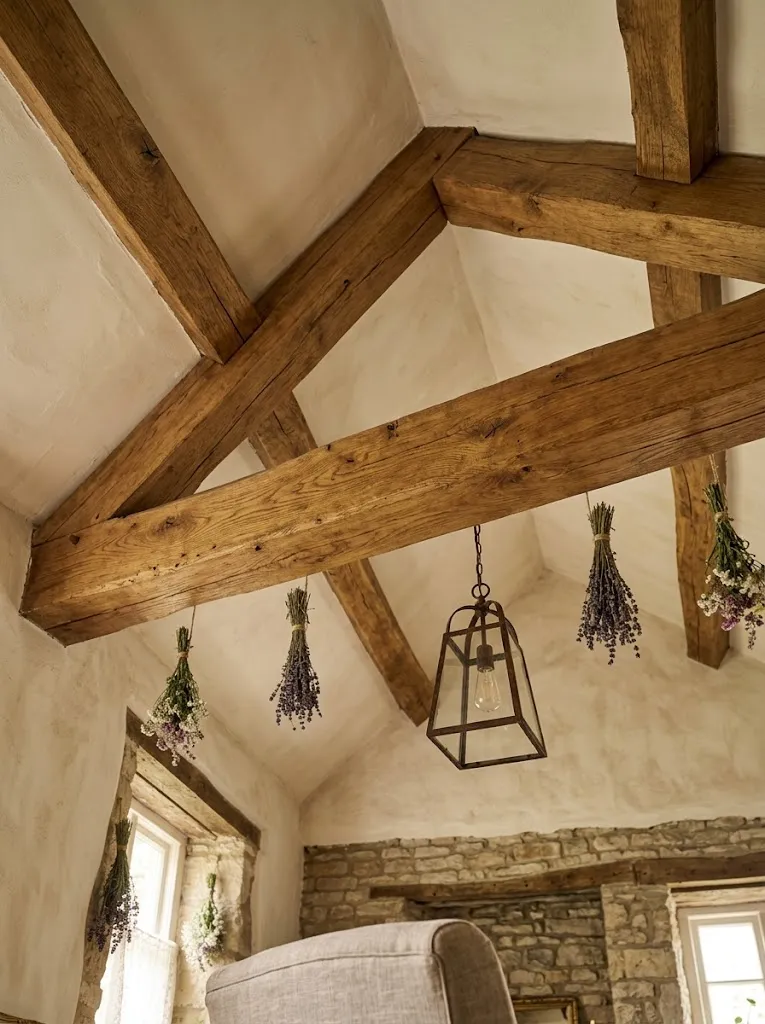
Old, uneven wood beams across a ceiling or wall instantly signal age and character, even in a newer home. Faux beams made from lightweight materials can recreate the same effect without any structural work, which makes this idea realistic for renters and homeowners alike.
Warm stain colors tend to work better than gray or white washes here. A honey or walnut tone brings out the grain of the wood and pairs naturally with the soft, earthy palette found throughout most cottagecore interiors.
10. Quilted Throw Blankets
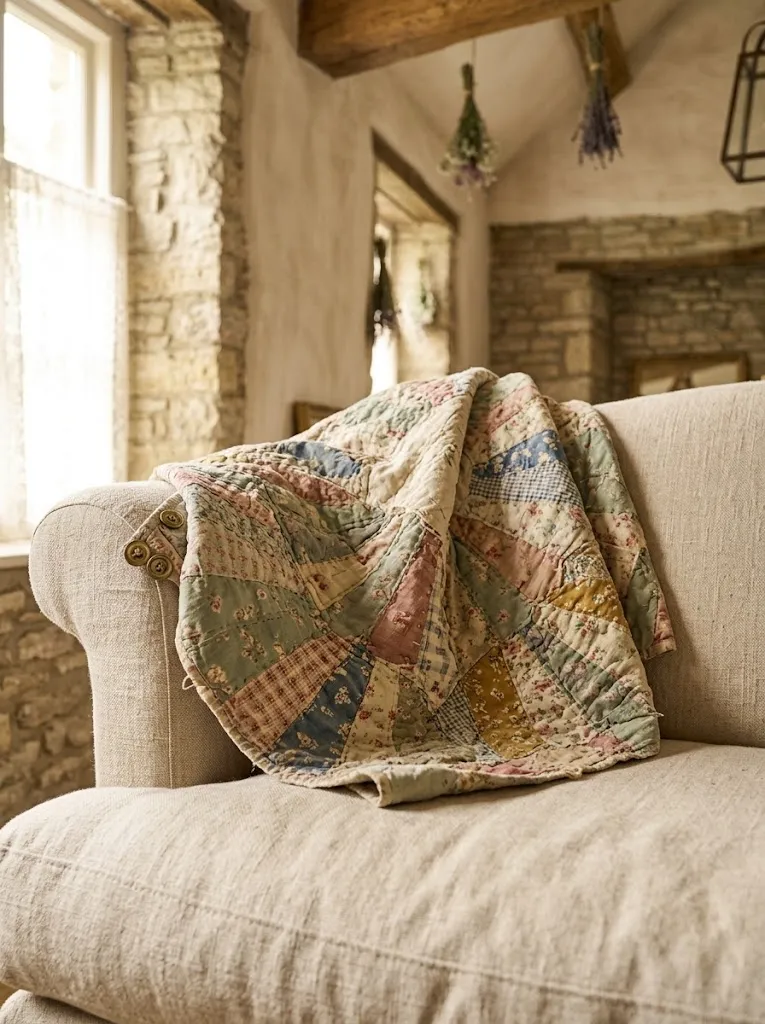
- A hand-stitched or patchwork quilt draped over a sofa arm adds instant texture and warmth to a plain seating area.
- Vintage quilts often carry small imperfections, uneven stitching, faded patches, that make them feel more genuine than new ones.
- Folding the quilt loosely rather than perfectly works better for a relaxed, lived-in look.
- Layering two different patterned quilts on a bed creates depth without looking cluttered.
- Estate sales are one of the best sources for authentic, affordable quilts.
A quilt does more work than most people expect from a single textile. It adds color, pattern, and history to a room in one simple layer, and it gives a sofa or bed an appearance that feels collected over years rather than bought last week.
11. Vintage Glass Bottle Collection
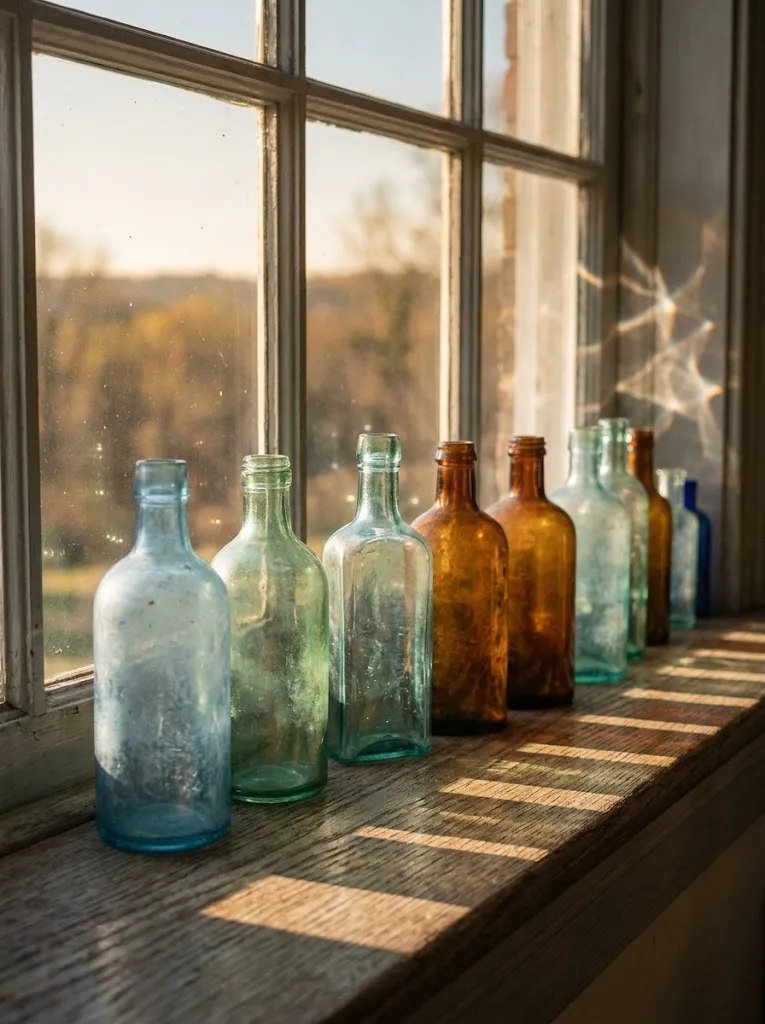
Quick Tip: Group bottles by height rather than color when arranging them on a windowsill. This creates a natural rhythm that catches the light better than a random cluster.
Old glass bottles in soft blues, greens, and ambers catch light in a way that modern glass rarely does. Lined up along a windowsill or open shelf, they turn ordinary sunlight into something worth stopping for, especially in the late afternoon.
I’ve noticed that even a small collection of five or six bottles makes a noticeable difference once the sun hits them directly. Flea markets and antique shops often sell these individually, so the collection can grow slowly without much cost at once.
12. Cozy Window Seat
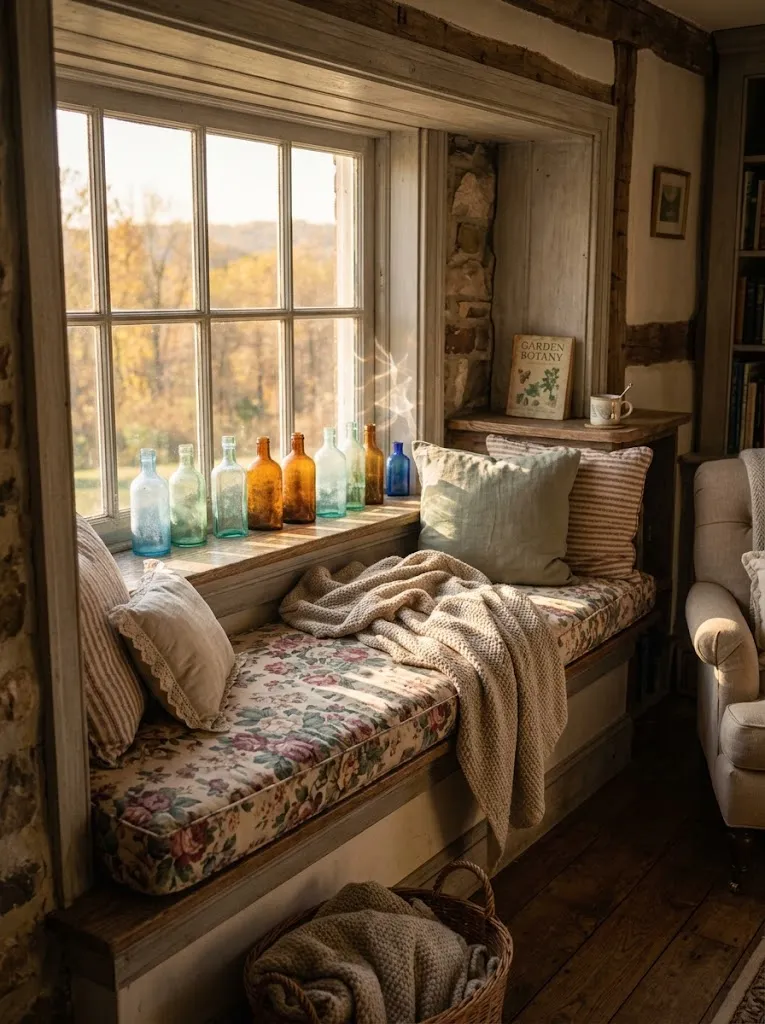
Before: A deep windowsill or bay window often sits unused, maybe collecting dust or holding random clutter that never quite finds a proper home.
After: The same space becomes a cushioned seat layered with soft pillows and a folded blanket, turning wasted square footage into the most inviting spot in the room.
A simple foam cushion cut to fit the sill, covered in a floral or linen fabric, is often all this idea requires. No carpentry needed if the windowsill is already deep enough to sit on comfortably.
This works especially well in older homes with deep window frames, though even a narrower sill can hold a slim cushion. Add two or three pillows in varying sizes so the seat looks full rather than sparse.
13. Botanical Wall Prints
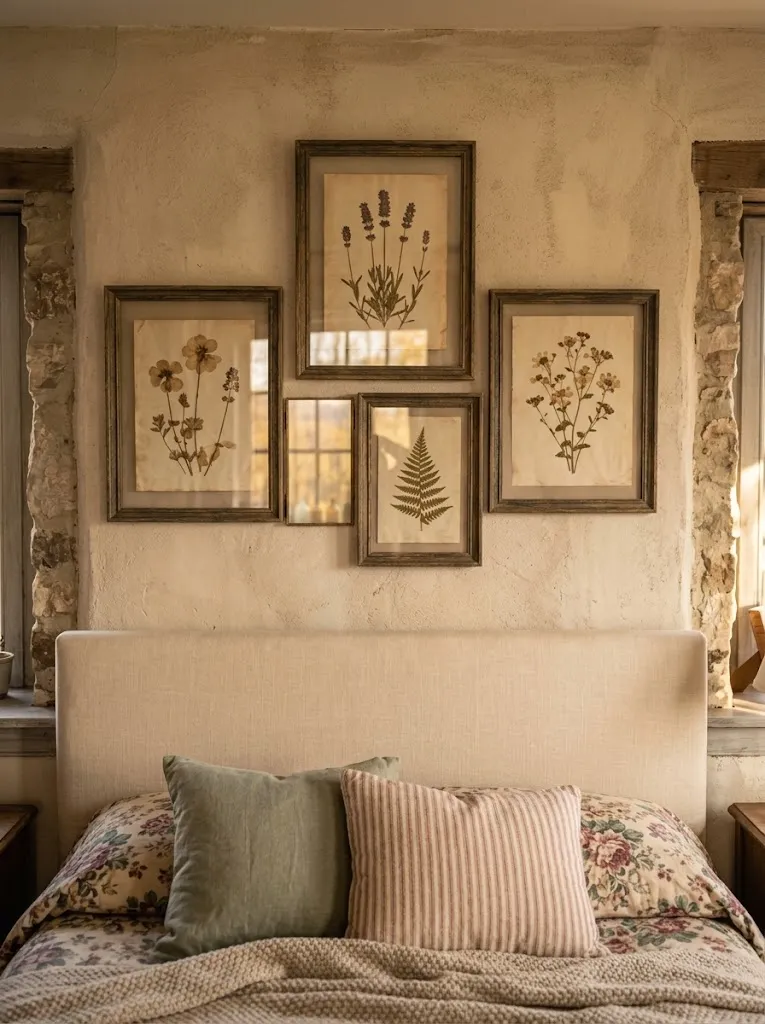
- Choose antique-style botanical illustrations, think pressed flowers, herbs, or pastoral scenes, rather than modern graphic art.
- Print them in a slightly muted or sepia tone instead of stark white and black.
- Frame them in thin wood or distressed metal frames rather than sleek black ones.
- Group three to five prints in a loose cluster instead of a perfectly even grid.
- Hang them at eye level over a bed, sofa, or reading chair.
Botanical prints fill wall space without overwhelming a room the way large abstract art often can. They are inexpensive to source, easy to print at home or through a local shop, and they tie the whole space back to the natural, garden-inspired feel found throughout a cottagecore style home.
14. Woven Basket Storage
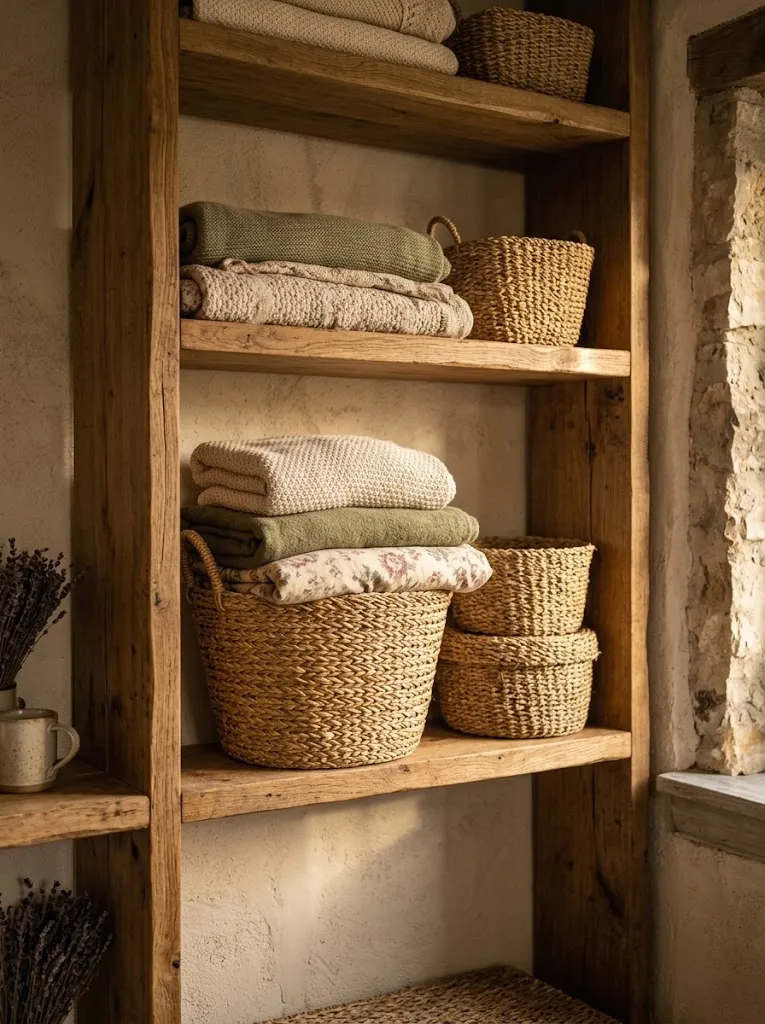
| Plastic Bins | Woven Baskets |
|---|---|
| Bulky and visually distracting | Blends into open shelving naturally |
| Cold, utilitarian look | Warm, textured, handmade appearance |
| Often needs to be hidden away | Doubles as decor on open shelves |
Storage does not need to disappear behind closed doors to look good. Woven baskets hold blankets, magazines, or toys while adding texture at the same time, which solves two problems most modern storage bins never manage to fix.
Seagrass and rattan baskets in varying sizes stack well on open shelving or slide under a console table. Look for slightly irregular weaving patterns, since perfectly uniform baskets tend to look more mass-produced than handmade.
15. Painted Kitchen Cabinets
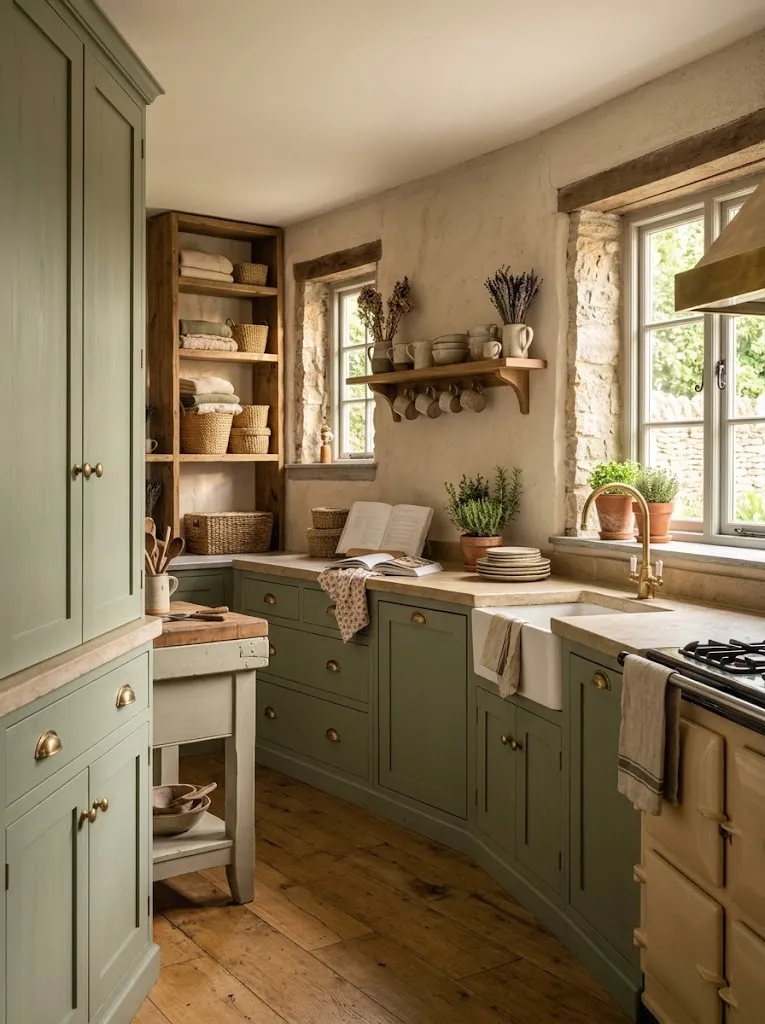
DO
- Choose soft, muted shades like sage green, buttery yellow, or dusty blue.
- Use a matte or eggshell finish instead of high gloss.
- Pair painted cabinets with brass or ceramic hardware for an aged look.
- Test a small swatch on an inside panel before committing to the full kitchen.
DON’T
- Don’t choose bright white if the goal is warmth, it can read as sterile.
- Don’t skip primer, since most cabinet finishes need it to hold paint properly.
- Don’t rush the drying time between coats, rushed paint jobs show brush marks.
A fresh coat of paint remains one of the most affordable ways to shift a kitchen’s entire mood. Muted, earthy tones make cabinets feel like they have always belonged in the space, rather than recently updated.
16. Vintage Enamelware Display
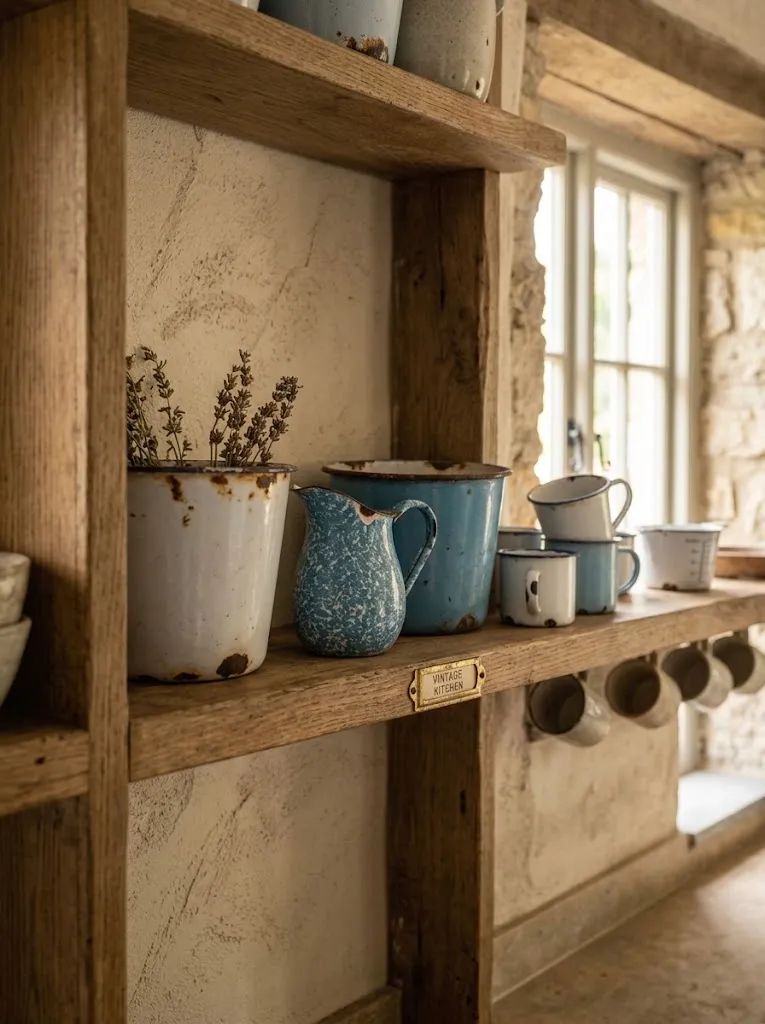
Cost: Low to moderate | Time: One afternoon | Skill Level: Beginner | Best For: Kitchens and open shelving
Chipped enamel pots, ladles, and pitchers in faded white, blue, or cream carry a worn charm that new kitchenware simply cannot replicate. Displaying a few pieces on open shelving or hanging them from a rail turns everyday cookware into part of the room’s decor.
That’s why many experts recommend seeking out pieces with visible wear rather than pristine ones. A small chip or rust spot near the rim usually signals the piece is authentically old, not a modern reproduction made to look aged.
17. Gingham Fabric Accents
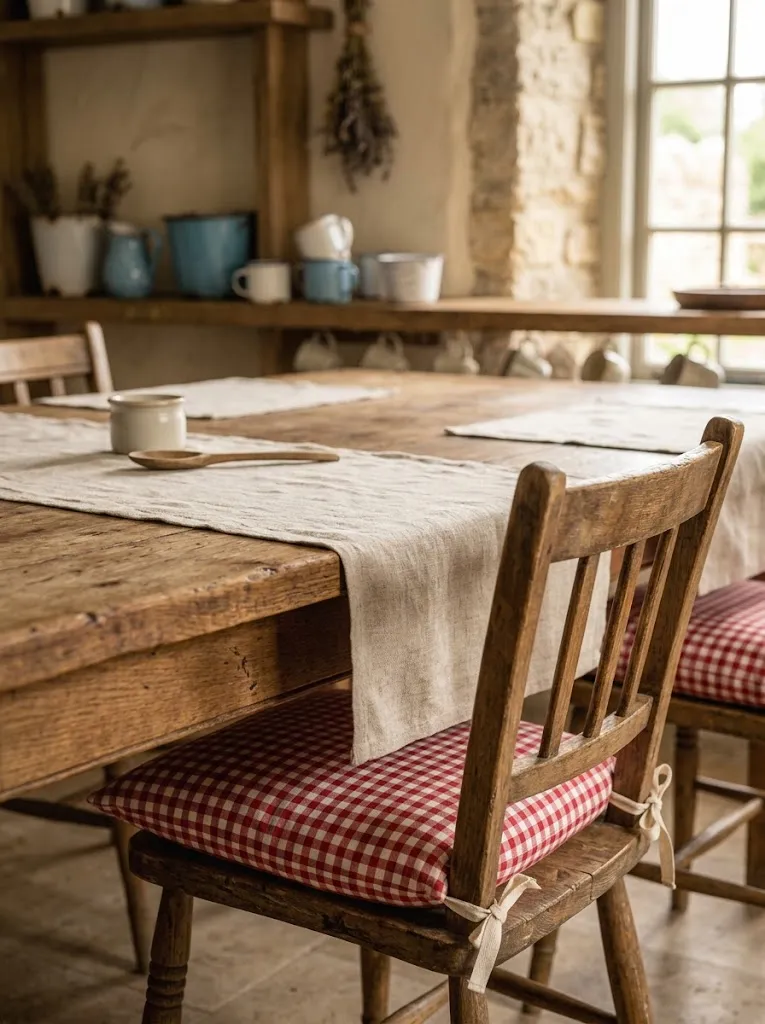
Gingham has a way of feeling both playful and old-fashioned at the same time. A small dose goes a long way in a cottagecore style home, whether it shows up as curtains, table linens, or a chair cushion cover.
Red and white gingham remains the classic choice, though soft blue or sage versions work just as well for a gentler look. Pairing it with plain linen or solid cotton keeps the pattern from overwhelming a small room, since too much gingham at once can start to feel busy rather than charming.
18. Open Shelf Pantry Jars
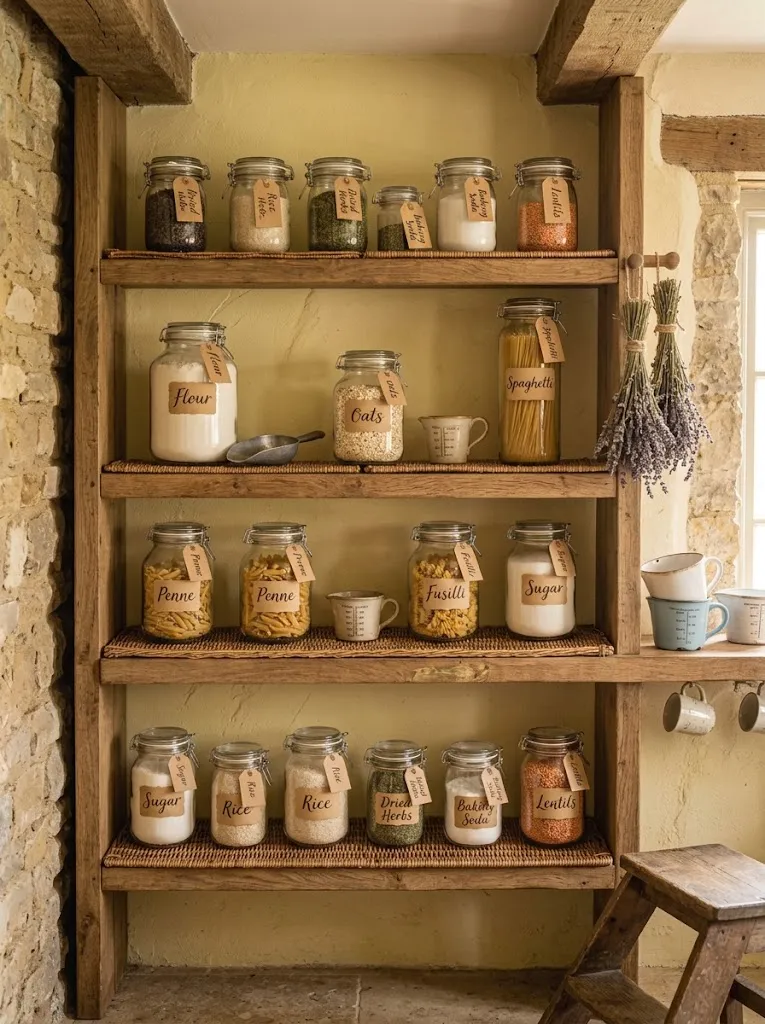
- Glass jars with cork or metal lids hold flour, sugar, oats, and pasta while keeping the pantry visible and organized.
- Handwritten or printed labels in a simple script font add a personal, farmhouse touch.
- Uniform jar sizes create a cleaner look, though a few varied shapes add character.
- Storing jars on open shelves rather than inside cabinets keeps ingredients within easy reach while cooking.
- Wicker shelf liners underneath the jars soften the overall look.
An open pantry shelf turns a purely functional space into one of the prettiest corners of the kitchen. It also makes it easier to see what needs restocking, since nothing is hidden behind a closed door.
19. Clay Pottery Accents
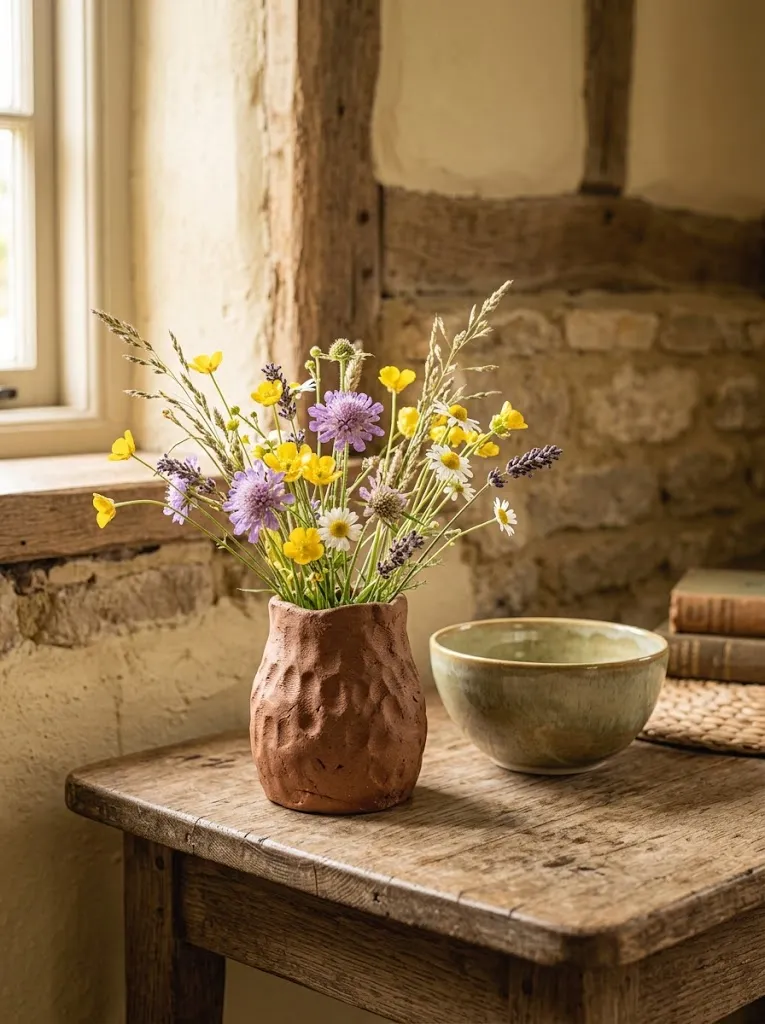
Quick Tip: Mix rough, unglazed clay pieces with a few smooth glazed ones. The contrast in texture keeps a shelf or table setting from looking too uniform.
Handmade clay pottery, vases, bowls, mugs, brings an earthy, tactile quality that machine-made ceramics rarely achieve. Even a single small vase filled with wildflowers can shift the tone of a windowsill or side table.
Local pottery studios and farmers markets often sell one-of-a-kind pieces at reasonable prices. Each imperfection, a slightly uneven rim or a visible thumbprint, adds to the handmade feel rather than taking away from it.
20. Layered Vintage Textiles
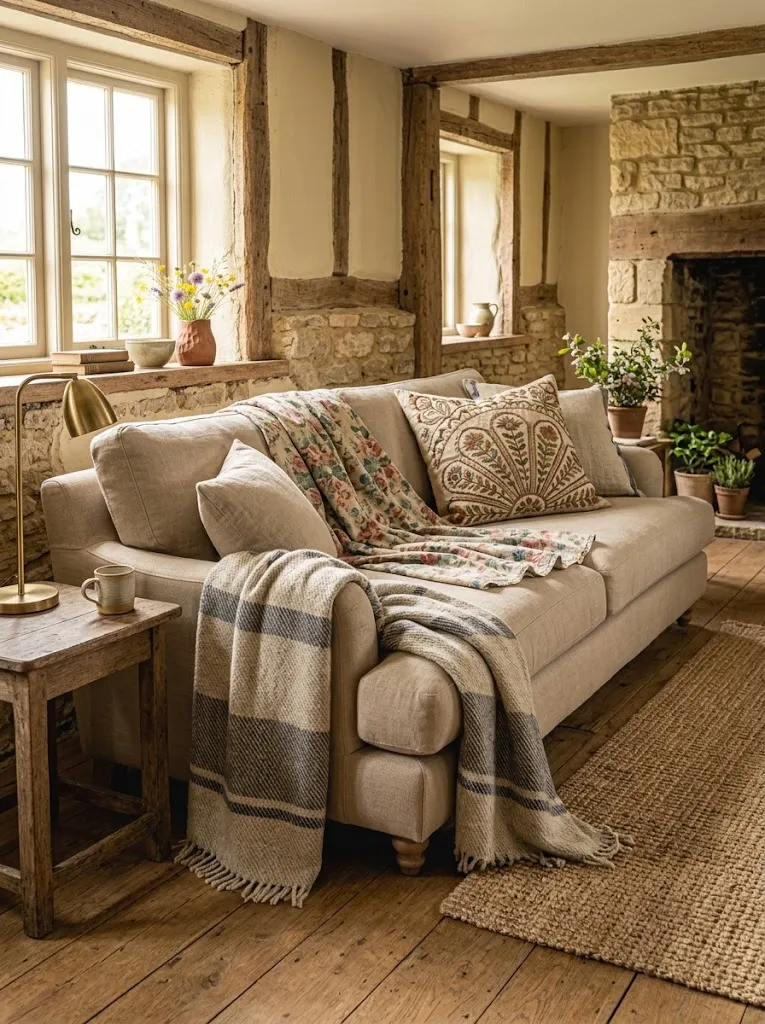
Slipcovers on modern furniture often look plain and one-note, with a single fabric covering the whole piece and nothing to catch the eye. Layering a vintage throw, an embroidered pillow, and a woven blanket over that same slipcover instantly adds pattern, color, and depth without replacing the furniture itself.
Mixing eras and patterns works better than matching everything exactly. A floral pillow next to a striped throw feels collected rather than mismatched, as long as the color palette stays connected throughout the room.
21. Garden Path Stepping Stones
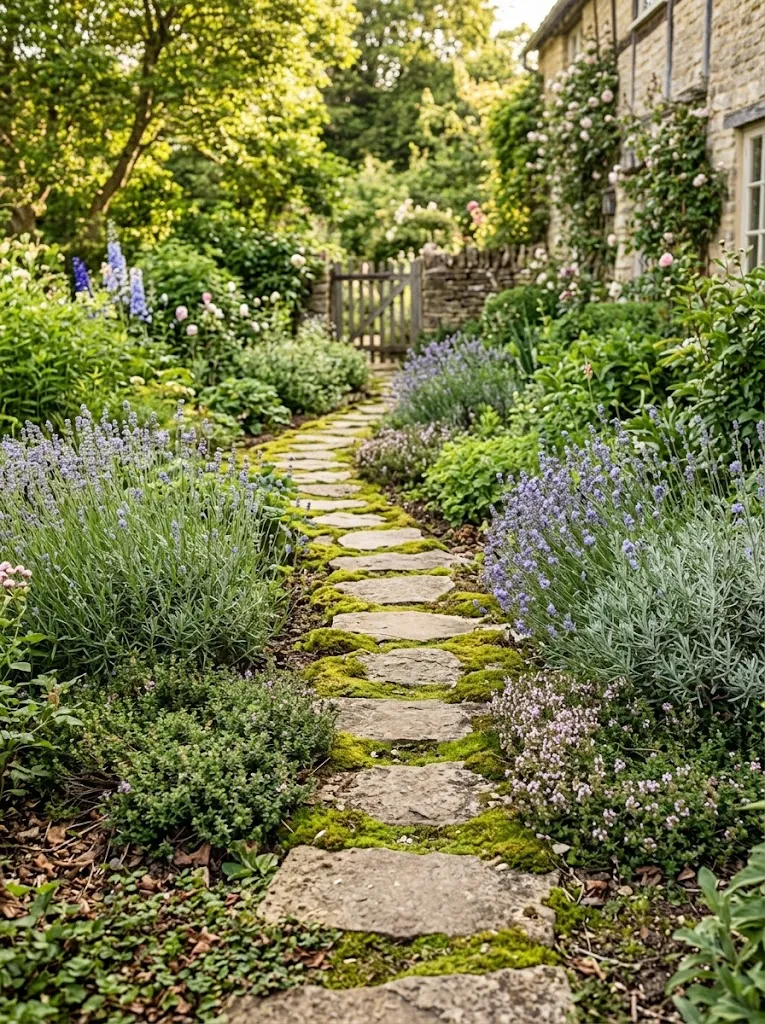
- Choose natural stone or concrete pavers over uniform manufactured tiles.
- Space them slightly unevenly rather than in a perfectly straight line.
- Let moss or low ground cover grow between the gaps over time.
- Line the path edges with lavender, thyme, or other low border plants.
- Position the path to curve slightly instead of running in a straight line.
A winding stone path does more for outdoor charm than almost any other garden feature. It slows down the walk from one point to another, giving the whole yard a sense of unhurried, old-world character.
22. Twinkle Light Ceiling
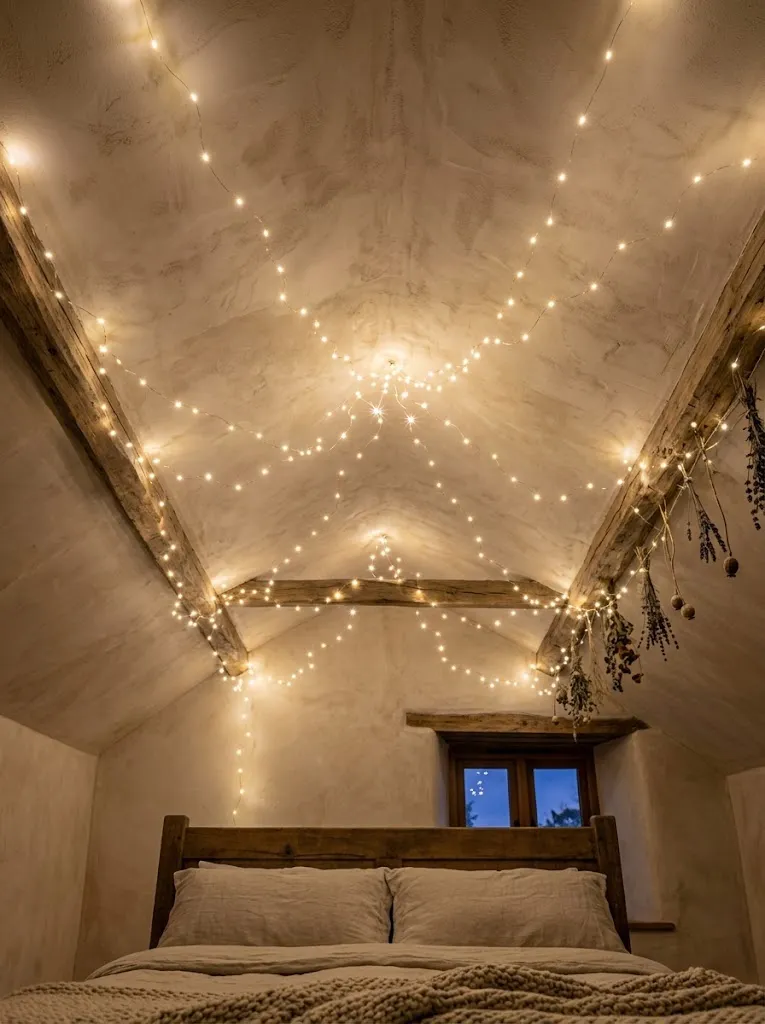
| Standard Lighting | Twinkle Light Ceiling |
|---|---|
| Single overhead fixture creates harsh, flat light | String lights scattered across the ceiling create soft, ambient glow |
| Limited to one light source | Multiple small points of light spread warmth evenly |
| Feels utilitarian after dark | Feels cozy and magical after dark |
Warm white string lights draped across a ceiling or tucked along a beam turn any room into something that feels a little enchanted once the sun goes down. This works especially well in bedrooms, covered porches, or reading nooks where softer lighting matters most.
Battery-operated or plug-in options both work, though hardwiring gives the cleanest look for a permanent setup. Avoid cool white bulbs here, since warm tones stay truer to the soft, golden feeling this style depends on.
23. Vintage Book Stacks
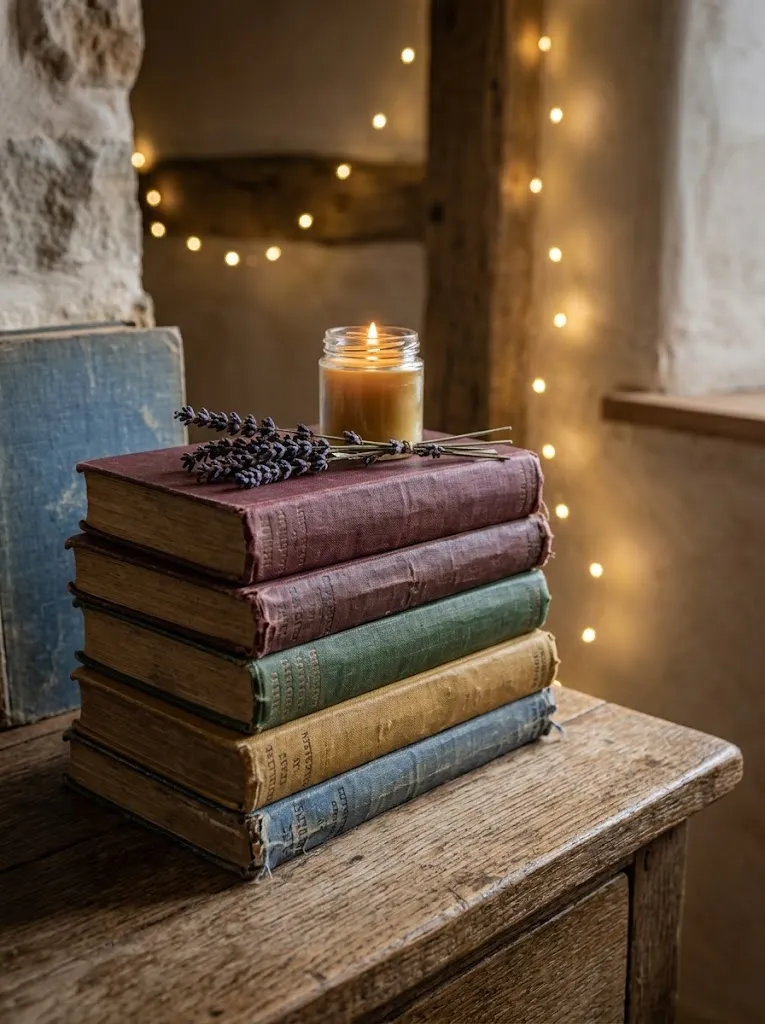
Quick Tip: Choose books with worn cloth covers or aged paper edges over glossy modern dust jackets. Stack them by height rather than color for a more natural, unstyled look.
A stack of old hardcover books does more decorating work than most people give it credit for. Used as a side table riser, a shelf filler, or a base for a candle or small vase, book stacks add height, texture, and a quiet sense of history to nearly any surface.
I’ve noticed that secondhand bookshops and library sales are the best sources for this, often selling worn hardcovers for next to nothing. A cottagecore style home tends to feel most authentic when small details like these look gathered over time rather than purchased all at once for decoration.
Final Thoughts
A cottagecore style home isn’t about perfection. It’s about small, warm details that make a space feel personal and lived-in. From dried florals to a cozy window seat, each idea in this list is meant to be tried at your own pace, one corner at a time.
I’ve seen how small changes like these can completely shift the way a space feels, turning an ordinary room into somewhere you actually want to spend time. Save this post on Pinterest so you can come back to it, try the ideas that speak to you most, and share it with anyone who would love a little more magic in their home.

One Response