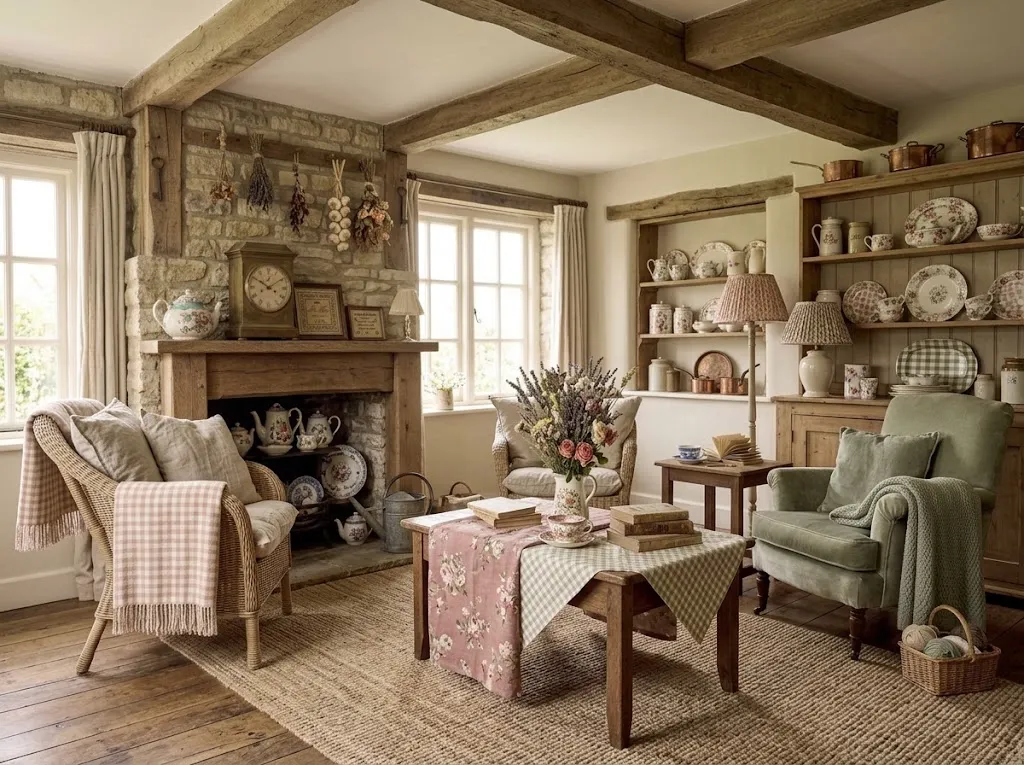
There’s a certain kind of home that makes you want to slow down the moment you walk in. Soft light, worn wood, a quilt folded just right on the back of a chair. That feeling has a name, and it’s cottagecore interior design.
This style pulls from old farmhouses, grandmother’s kitchens, and quiet countryside mornings, then brings that same warmth into homes of any size. Whether you live in a studio apartment or a house with a full garden, the ideas ahead work with what you already have.
In my experience, most people overthink this style before they even start. They assume it requires a complete renovation or a collection of expensive antiques. It doesn’t. A few intentional swaps, the right lighting, and some patience at thrift stores go further than most people expect.
What follows are 21 practical, doable ideas that cover everything from color palettes to lived-in styling tricks. Save this now, because you’ll want to come back to it room by room.
Soft Muted Color Palette
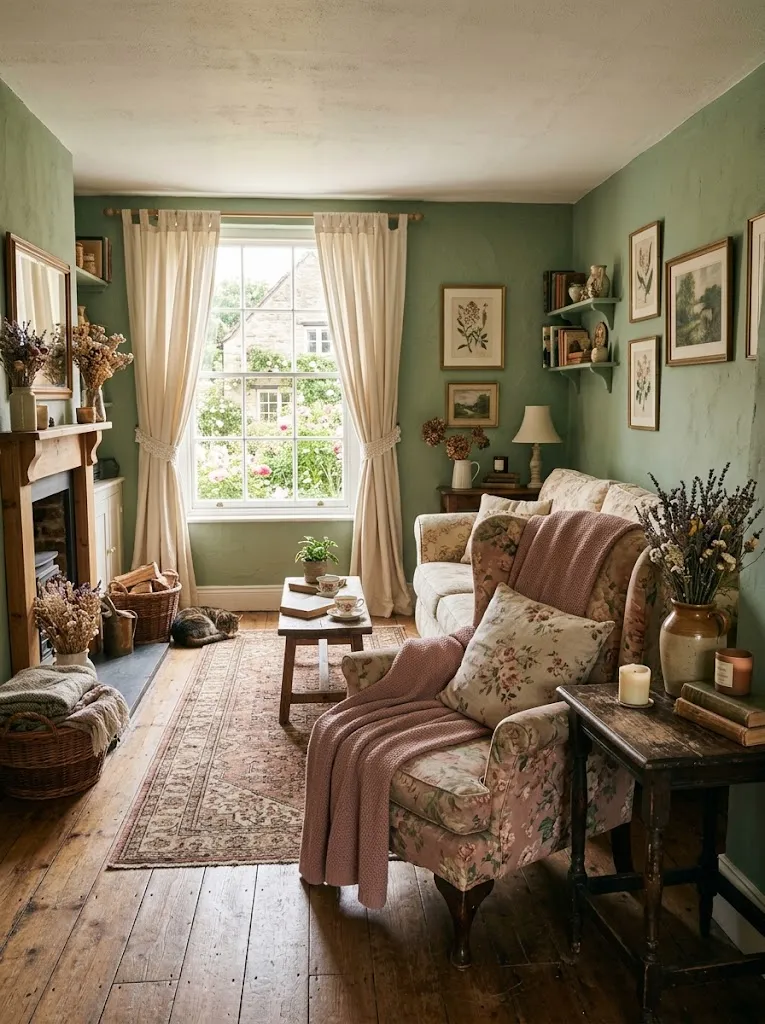
Muted tones are the backbone of any cottagecore interior design plan. Think sage, cream, dusty rose, and buttery yellow instead of anything bright or synthetic. These shades mimic the softness of old cottages and faded textiles passed down through generations.
I’ve noticed that readers who start with a neutral, muted base find it far easier to layer in patterns and textures later without the room feeling chaotic. Paint one wall first if you’re nervous about commitment, then build outward from there.
Vintage Secondhand Furniture

- Check estate sales and local thrift shops before big box stores. Older pieces almost always have better joinery and solid wood construction.
- Look for chipped paint or worn edges. These small imperfections add character instead of taking away from it.
- Reupholster a single chair in a floral or gingham fabric to instantly shift its mood.
- Mix wood tones on purpose. A perfectly matched furniture set actually works against the cottagecore look.
- Sand and wax older wood pieces instead of repainting them when the grain is still in good shape.
Secondhand furniture gives a room history that new pieces simply cannot replicate. Every scratch and stain tells a story, and that imperfection is exactly what makes a space feel warm, collected, and real rather than showroom staged.
Layered Floral Prints

Quick Tip: Choose one dominant floral print as your anchor, then add two smaller-scale patterns in coordinating colors. This keeps the layered look intentional instead of overwhelming.
Florals are one of the fastest ways to signal cottagecore interior design without redoing an entire room. A patterned wallpaper, a set of curtains, or even a single upholstered chair can carry the aesthetic on its own. The trick is restraint. Too many competing florals in one space start to fight each other instead of working together.
Natural Wood and Linen

Before: A room full of laminate furniture and synthetic fabrics can feel flat and cold no matter how much you decorate around it. The materials themselves send a mismatched signal before a single accessory goes up.
After: Swapping in solid wood, linen, and rattan pieces gives the same room warmth and texture instantly. Light bounces differently off natural grain, and fabric drapes softer, which changes the entire feel of the space.
Natural materials are what separate a genuine cottagecore interior design approach from one that only looks the part in photos. Wood shows its age gracefully, linen softens with every wash, and rattan adds texture without visual weight. Together they create a room that feels grounded and unforced.
Dried Flower Arrangements

- Cut fresh flowers with long stems and strip the lower leaves before hanging.
- Bundle small groups with twine and hang them upside down in a dry, dark space for two to three weeks.
- Choose sturdy varieties like lavender, statice, or wheat that hold their shape well once dried.
- Arrange finished bundles in a pitcher, jar, or vintage vase near a window or on an open shelf.
- Refresh the arrangement every few months since dried stems become brittle and shed over time.
Dried flowers solve a problem fresh bouquets can’t. They last for months, cost nothing after the first cutting, and bring the same soft, romantic texture that defines this style. I’ve noticed readers who keep a small drying rack going always have material on hand for quick refreshes.
Vintage Rugs vs New Rugs

| Feature | New Machine Made Rug | Vintage or Antique Rug |
|---|---|---|
| Pattern depth | Flat, uniform printing | Faded, hand knotted variation |
| Texture | Synthetic, stiff fibers | Wool, cotton, natural softness |
| Character | Looks new for years | Ages beautifully over time |
| Price range | Often cheaper upfront | Varies, but resale value holds |
Vintage rugs anchor a room in a way new ones rarely manage. Their faded patterns and irregular weave carry a sense of history that instantly signals authentic cottagecore interior design rather than a trend copied from a catalog. Estate sales are often the best hunting ground.
Mixed Pattern Layering
Do:
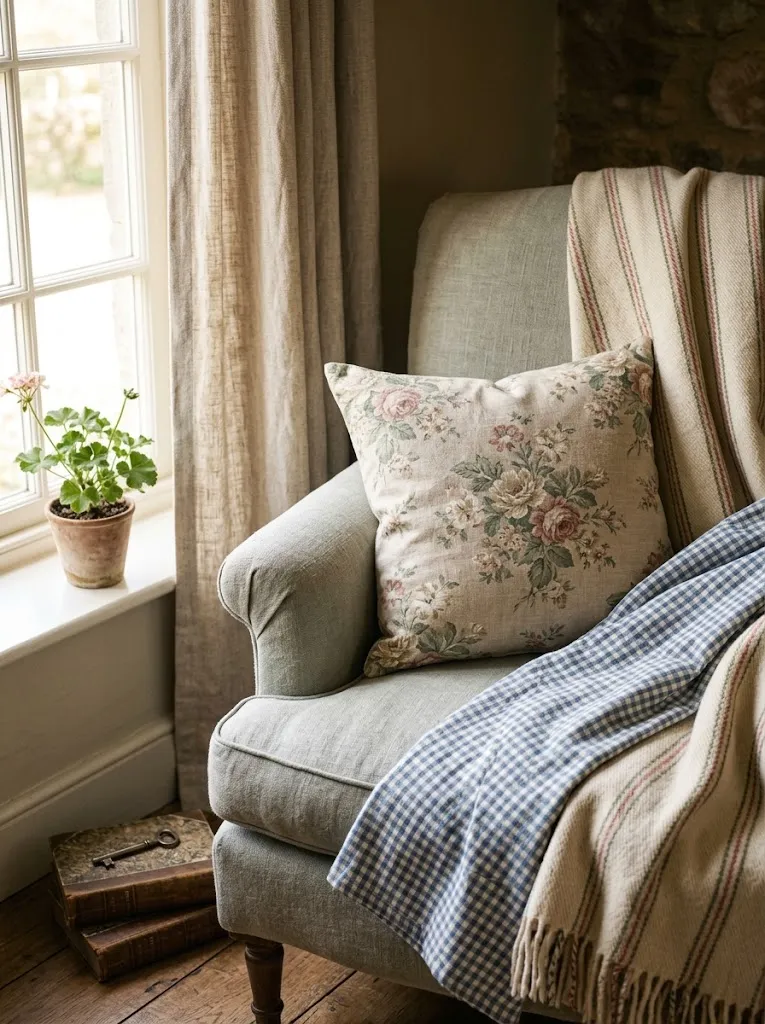
- Pair a large scale floral with a small scale gingham or stripe.
- Keep one color thread running through every pattern you mix.
- Balance busy patterns with solid linen or muslin pieces nearby.
Don’t:
- Mix more than three patterns in one small space.
- Combine patterns with completely different color temperatures.
- Place your boldest pattern in the smallest, most crowded spot in the room.
Pattern mixing intimidates a lot of people, but it follows a simple logic once you see it. Anchor with a dominant print, support it with two smaller ones, and let solid fabrics give the eye somewhere to rest. That balance is what keeps a layered room feeling curated instead of cluttered.
Cozy Window Reading Nook
Cost: Low to moderate, depending on cushion and fabric choices
Time: One weekend for a basic setup
Skill Level: Beginner friendly
Best For: Bedrooms, hallway alcoves, or unused window corners
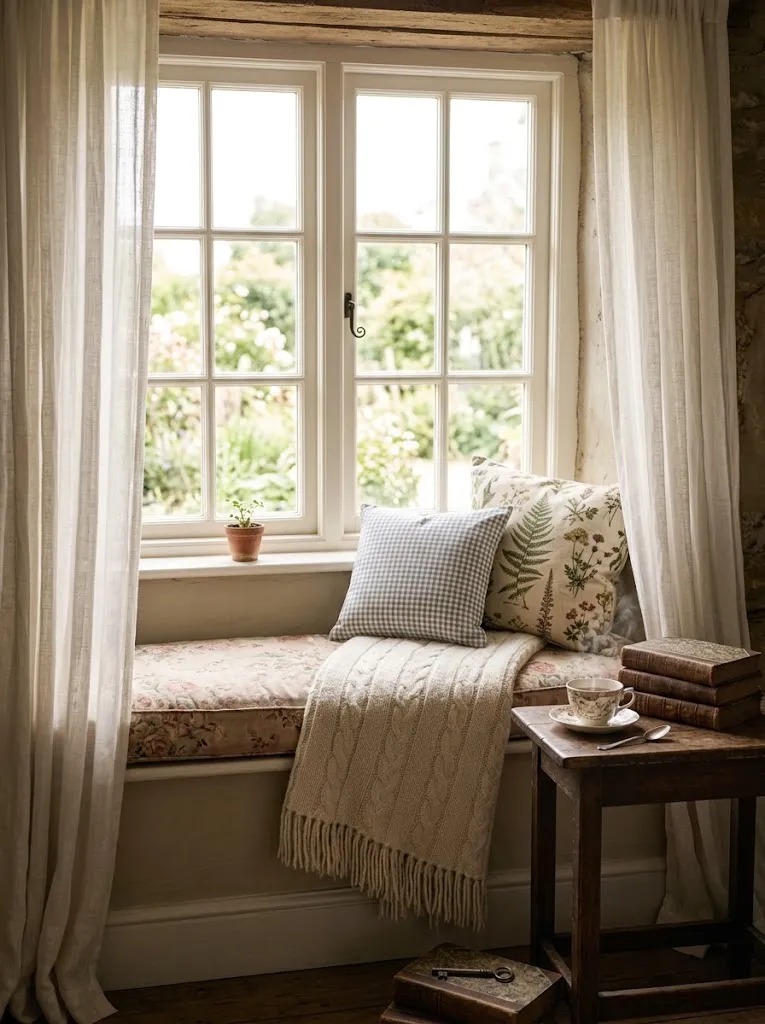
A reading nook turns dead space into the most used corner of the house. Even a narrow windowsill can hold a slim cushion and a small stack of books. That’s why many experts recommend starting here first, since it delivers a big visual payoff for very little cost or effort.
Mismatched Dish Display
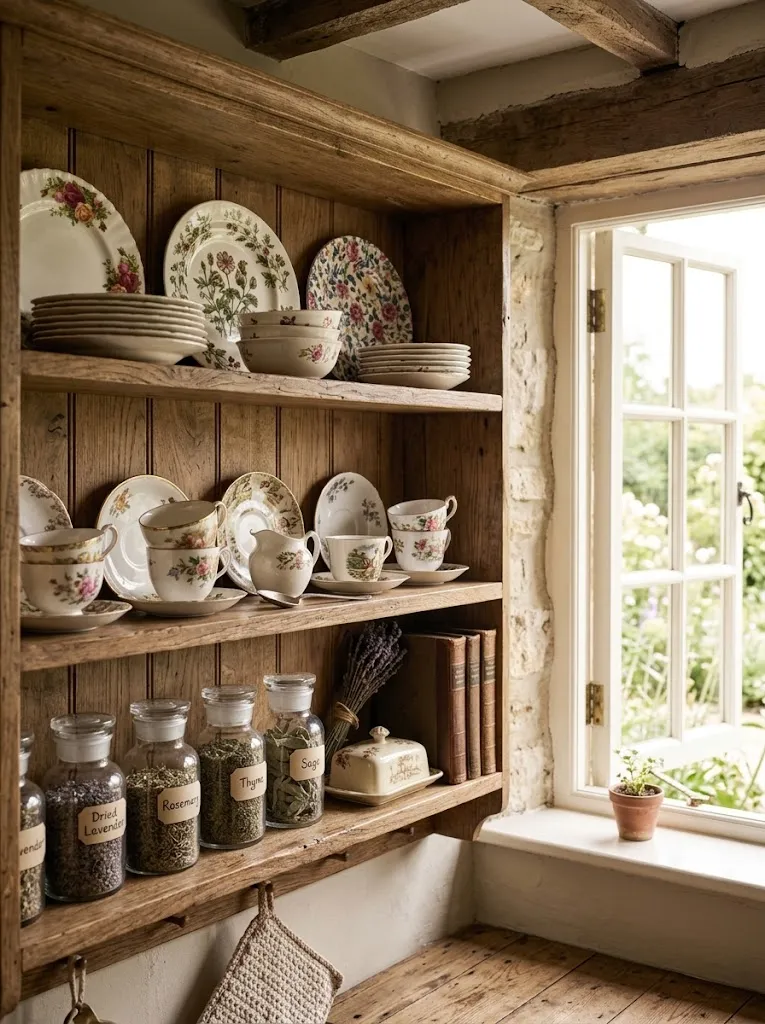
Open shelving turns everyday dishware into part of the decor instead of hiding it behind cabinet doors. Chipped teacups, floral plates from different sets, and glass canisters all work together when they share a similar color story.
The trick is choosing dishware with some visual thread in common, whether that’s a color palette, an era, or a material like ironstone. Random pieces thrown together without that connection start to look cluttered rather than intentional. Group by color first if you’re unsure where to start.
Gingham Curtain Panels
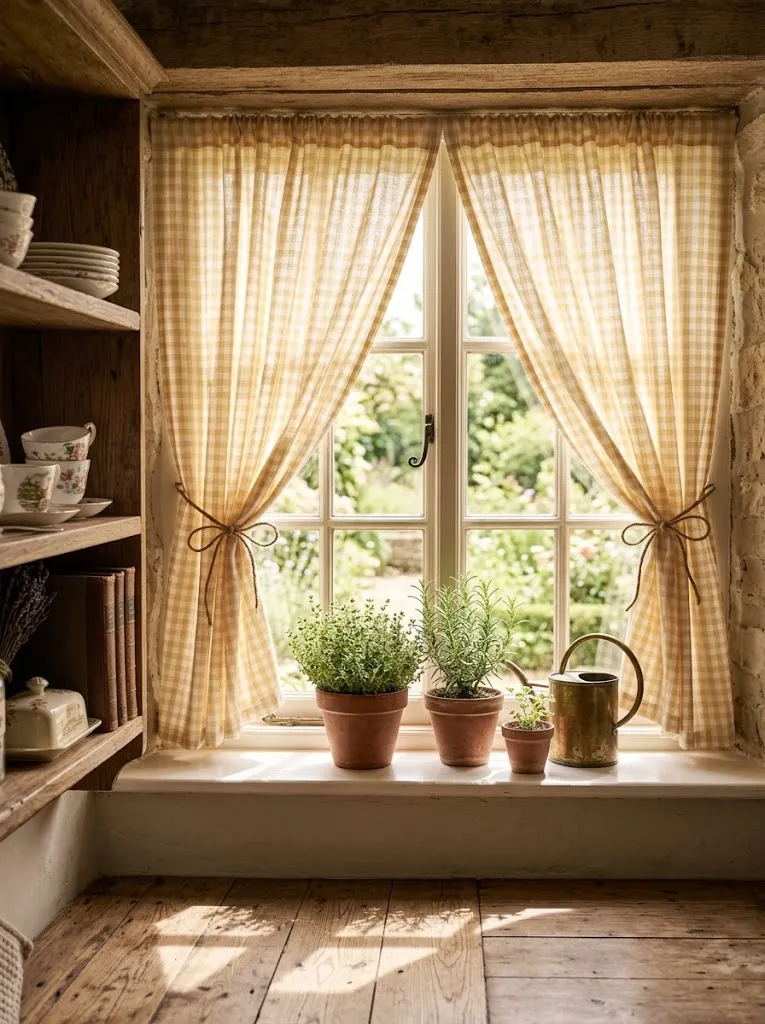
- Choose a smaller check pattern for windows in tight or narrow spaces so it doesn’t overwhelm the room.
- Stick to cotton or linen blends since they hold a crisp fold better than synthetic fabric.
- Pair gingham with solid linen panels behind it for layered texture and better light control.
- Tie curtains back with jute twine or a simple fabric strip instead of a metal hardware set.
- Wash and press curtains regularly since gingham shows wrinkles more than solid fabrics do.
Gingham does more visual work per dollar than almost any other fabric choice in this style. A single set of curtains can shift a kitchen or bedroom from plain to distinctly charming in one afternoon, without touching the walls or furniture at all.
Antique Mirror Grouping
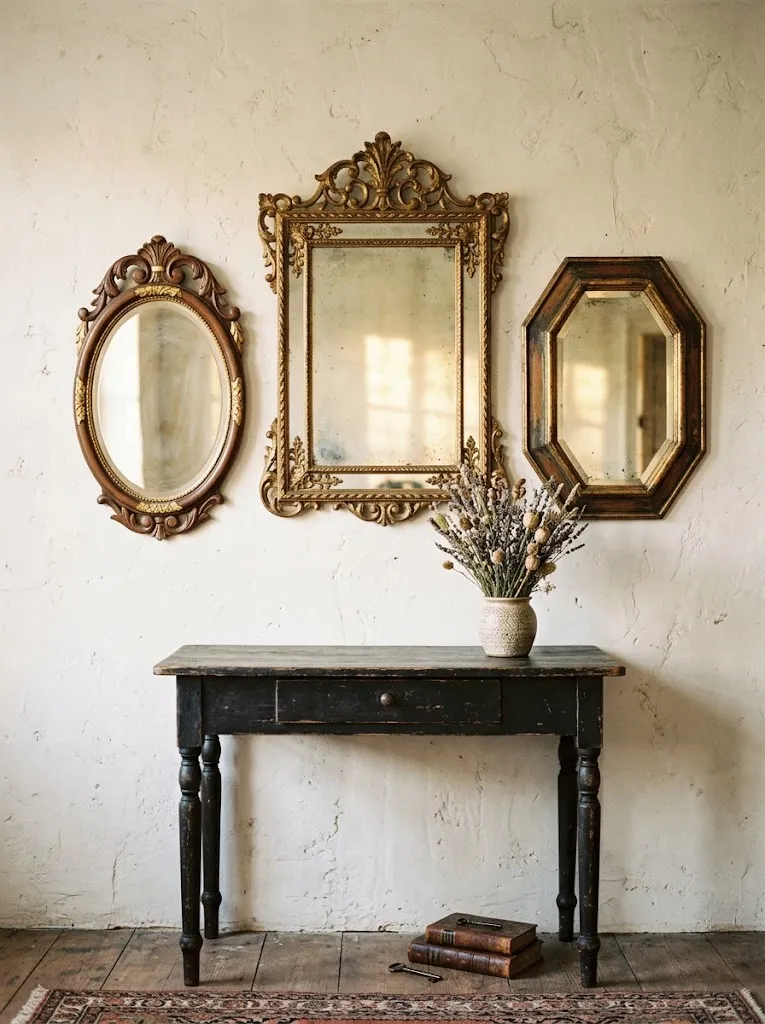
Quick Tip: Hang mirrors at slightly different heights instead of lining them up perfectly. This small imperfection reads as intentional and collected rather than store bought.
Antique mirrors do double duty in a cottagecore interior design scheme. They bounce natural light deeper into a room while adding the ornate detail that new mirrors rarely have. Look for foxed or slightly clouded glass, since that aged quality is part of the appeal rather than a flaw to avoid.
Farmhouse Kitchen Details
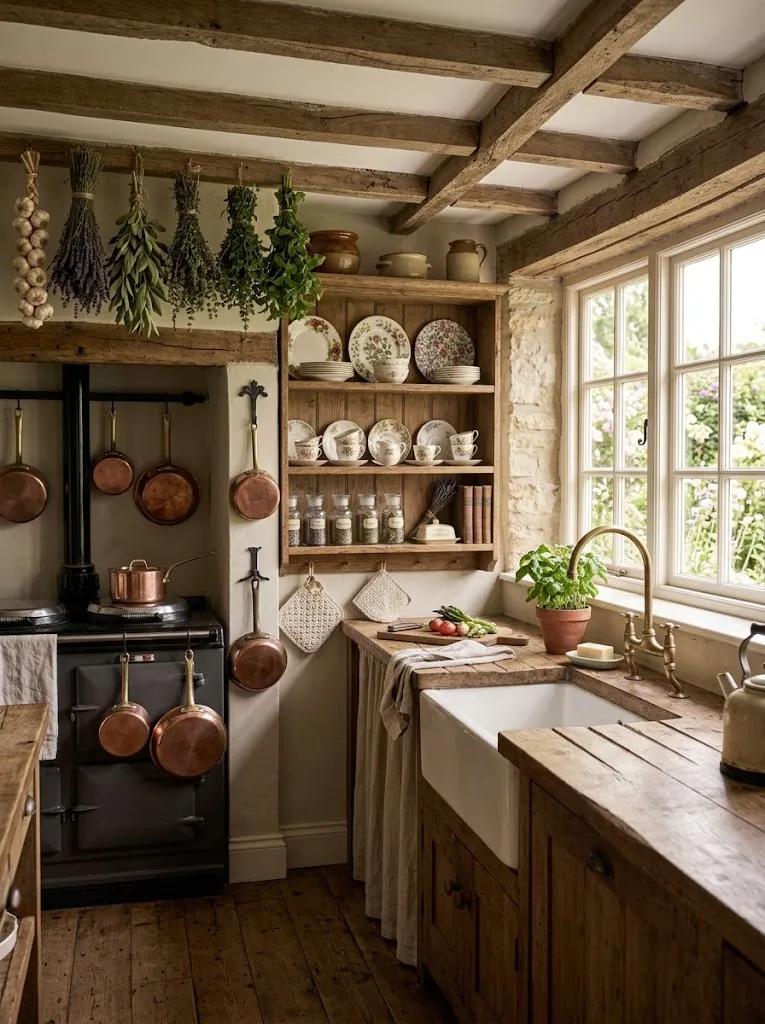
Before: A modern kitchen with sleek cabinets, stainless steel fixtures, and bare countertops can feel sterile and disconnected from the rest of a cozy home, even when everything else around it is warm and inviting.
After: Open shelving, a farmhouse sink, and a scatter of copper pots and dried herb bundles bring the same warmth found throughout the rest of the house directly into the kitchen. The space starts to feel lived in rather than showroom perfect.
A farmhouse kitchen doesn’t require a full renovation to work. Swap a few cabinet doors for open shelves, add a wooden cutting board display, and hang dried herbs near the stove. I’ve noticed small changes like these often make more visual impact than a full remodel would.
Warm Ambient Lighting
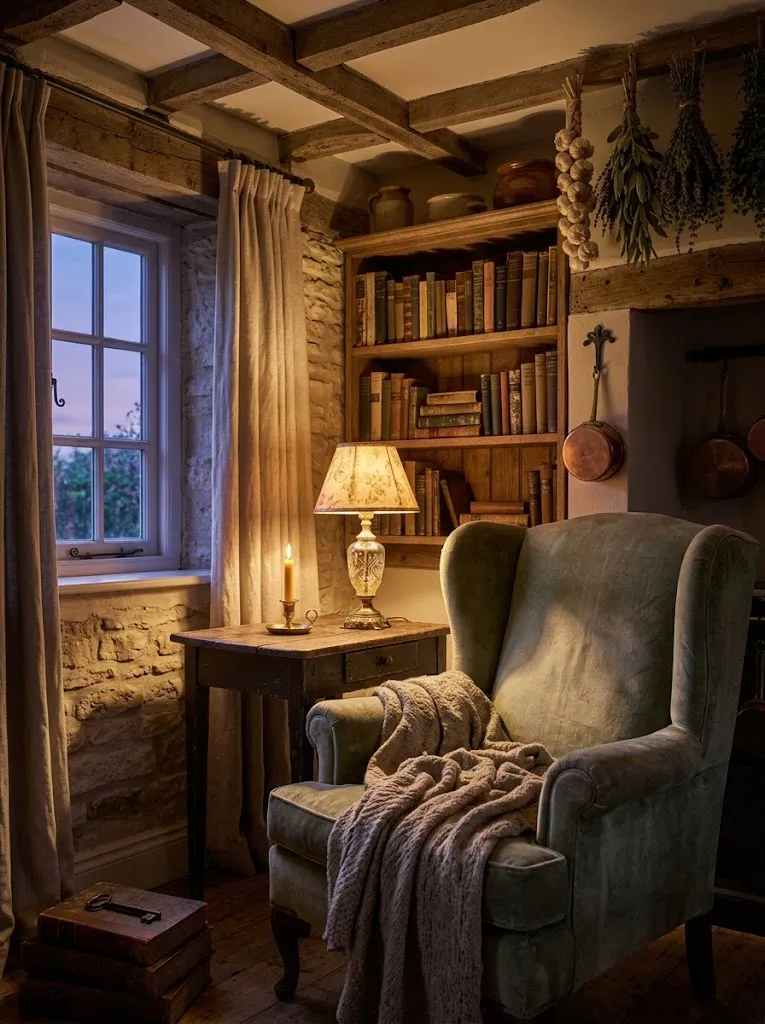
- Swap harsh overhead bulbs for warm toned bulbs rated around 2700K.
- Add at least two low level light sources per room, such as table lamps or wall sconces.
- Layer in candles or flameless candles for evening ambience near seating areas.
- Use fabric or paper lampshades instead of bare bulbs or metal fixtures.
- Place lamps at reading height near chairs and beds rather than only in corners.
Lighting changes the entire personality of a room faster than almost any other adjustment. Cool white bulbs flatten the soft colors and textures this style depends on, while warm, low level lighting makes a space feel golden and lived in, even in the middle of the day.
Wicker Storage Baskets vs Plastic Bins
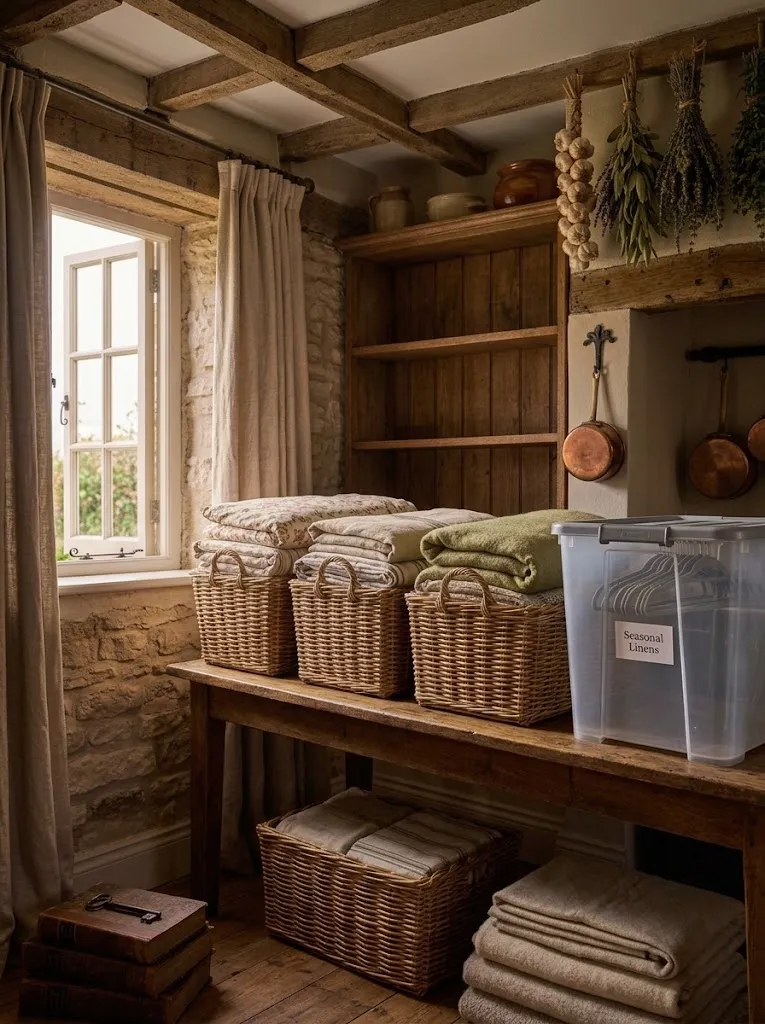
| Feature | Plastic Storage Bins | Wicker Baskets |
|---|---|---|
| Visual appeal | Utilitarian, often hidden away | Decorative, can stay in view |
| Material feel | Cold, synthetic | Warm, natural texture |
| Durability | Cracks over time | Holds up for years with care |
| Flexibility | Limited to closets | Works in any open room |
Wicker baskets solve storage and styling in one move. Blankets, toys, or mail can disappear into a basket that still looks intentional sitting in the open, which plastic bins rarely manage. Stack two or three sizes together for a layered, collected look on open shelving.
Herb and Botanical Corners
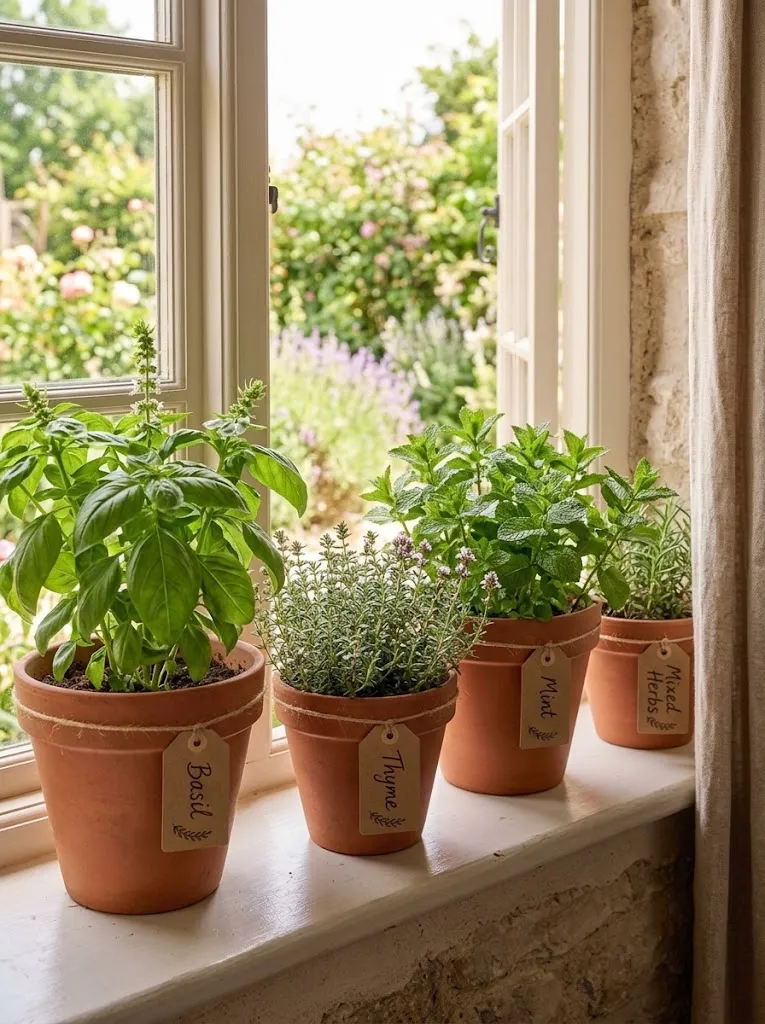
Do:
- Group three to five potted herbs together on a windowsill that gets direct sun.
- Choose terra cotta or ceramic pots that match your existing color palette.
- Label each pot with a small handwritten tag for a personal touch.
Don’t:
- Overwater herbs like rosemary and thyme, which prefer drier soil.
- Cram pots into a spot with little to no natural light.
- Use mismatched plastic nursery pots as a permanent display.
A small herb corner brings the outdoors in without requiring a green thumb or much space. Basil, mint, and thyme all do well on a sunny sill and double as both decoration and something you can actually cook with throughout the week.
Cottagecore Textile Choices
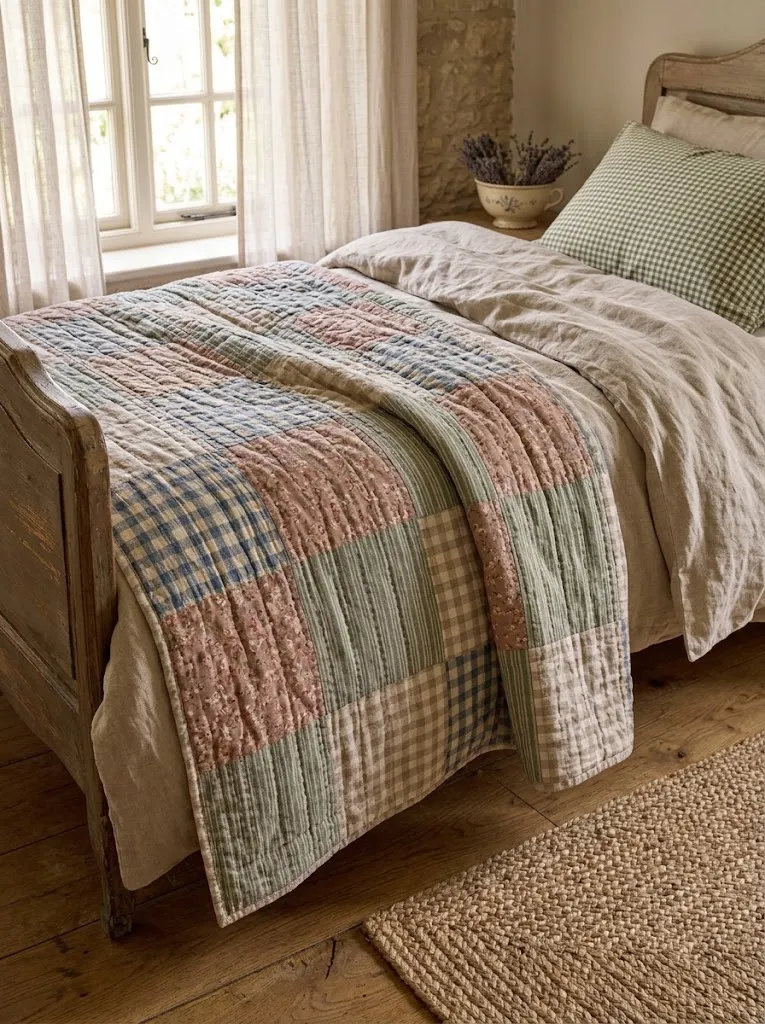
Cost: Low to moderate depending on fabric source
Time: Can be swapped in over a single weekend
Best For: Bedrooms, living rooms, dining nooks
Result: Softer acoustics and a noticeably warmer feel underfoot
Textiles carry more of the cottagecore interior design mood than most people expect. A braided jute rug, a quilted throw, and linen curtains all work together to soften hard surfaces and absorb sound, making a room feel quieter and more settled the moment they go in.
Handwritten Signs and Labels
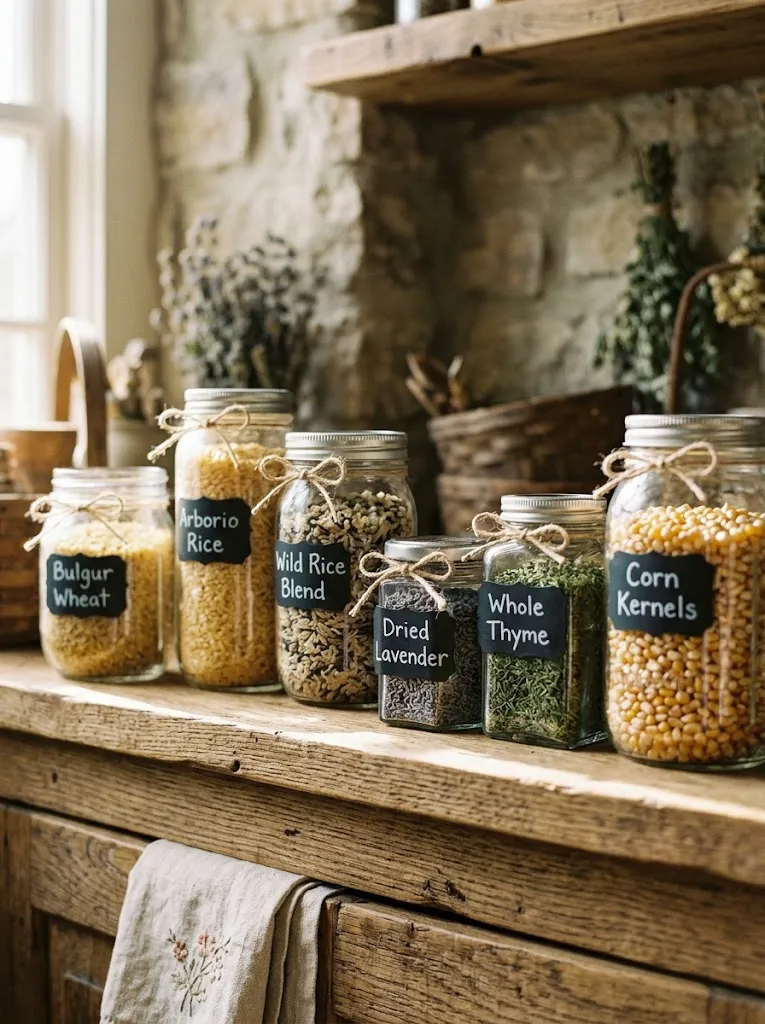
A blank pantry shelf or bare kitchen wall often feels unfinished, even after the furniture and larger decor pieces are in place. Something is missing, but it’s hard to pinpoint exactly what.
Small handwritten or hand lettered signs fill that gap in a way that feels personal rather than store bought. A chalkboard label on a jam jar or a small painted sign above a doorway adds warmth that mass produced typography simply can’t replicate.
I’ve seen this work well in kitchens especially, where labeled jars and a small welcome sign near the door do more to set the tone than any single piece of furniture.
Dreamy Cottagecore Bedroom
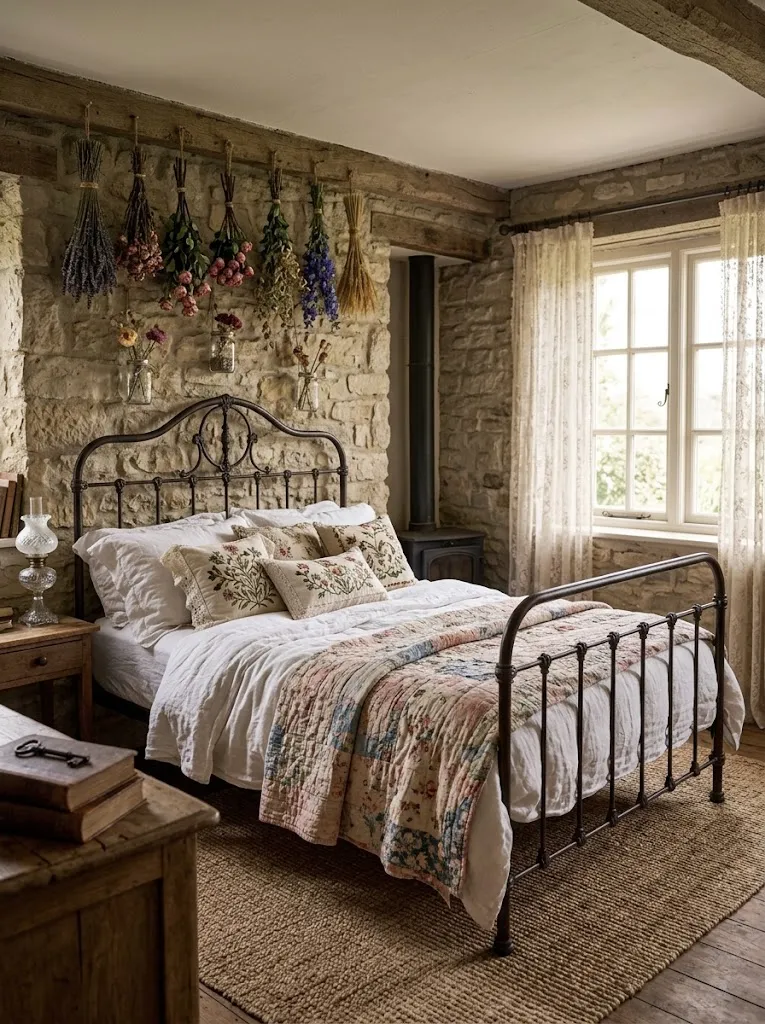
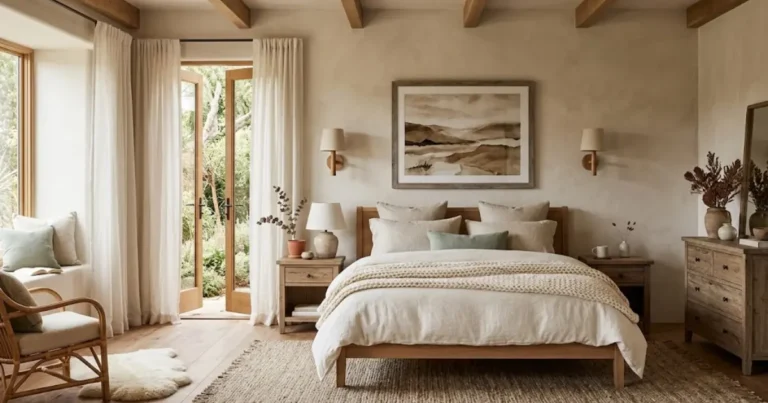
- Choose an iron or wood bed frame over a modern upholstered headboard for a more period appropriate look.
- Layer bedding in at least three textures: a fitted sheet, a quilt, and a knit or woven throw.
- Hang a small dried flower bundle or wreath above the headboard instead of framed art.
- Add a vintage nightstand with a ceramic lamp rather than a matching modern set.
- Keep the color palette soft and warm, avoiding anything stark white or cool toned.
A cottagecore bedroom should feel like the calmest room in the house. Every layer, from the bedding to the lighting, works toward the same soft, unhurried mood, which makes it one of the most rewarding rooms to fully commit to this style in.
Sunroom or Porch Corner
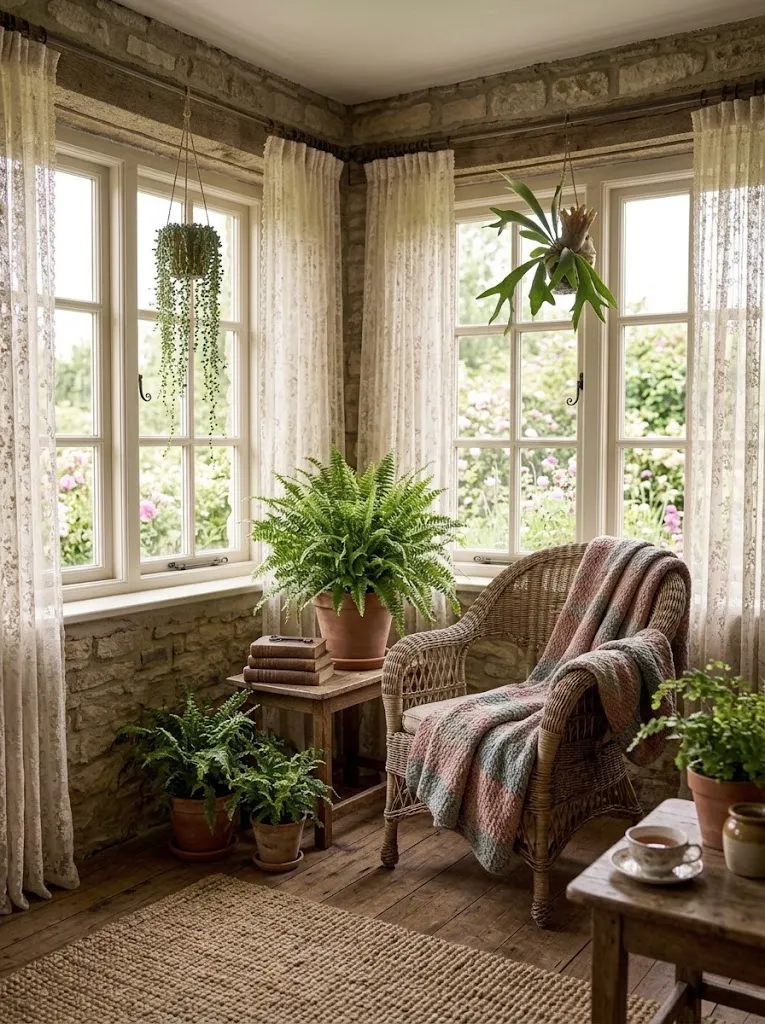
Quick Tip: If you don’t have a sunroom, recreate the feeling in a single corner near your brightest window. Group two or three plants together and add one comfortable chair to anchor the space.
A sunroom style corner brings the outdoor, garden fed feeling of cottagecore into a room that gets used every day. Plants, natural light, and woven textures do most of the work, and the effect holds up even in a small apartment with just one good window.
Personal Heirlooms and Keepsakes
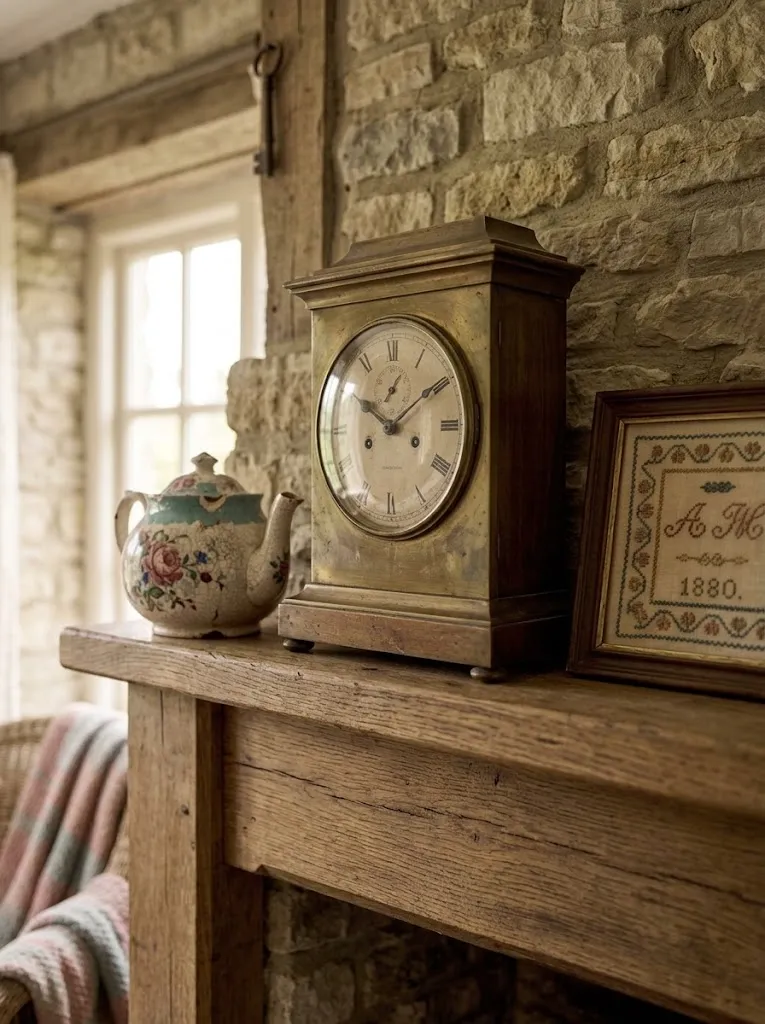
Before: A room styled entirely from new purchases can look put together but strangely impersonal, like a showroom rather than a home someone actually lives in day to day.
After: Adding even one or two inherited or collected pieces, an old clock, a hand stitched sampler, a chipped teapot, gives the room a story that new furniture alone can’t provide.
Heirlooms don’t need to match anything else in the room to work. In my experience, the pieces that carry the most personal history are often the ones that stand out slightly from everything around them, and that contrast is exactly what makes a space feel authentic rather than staged.
Lived In Cottagecore Look
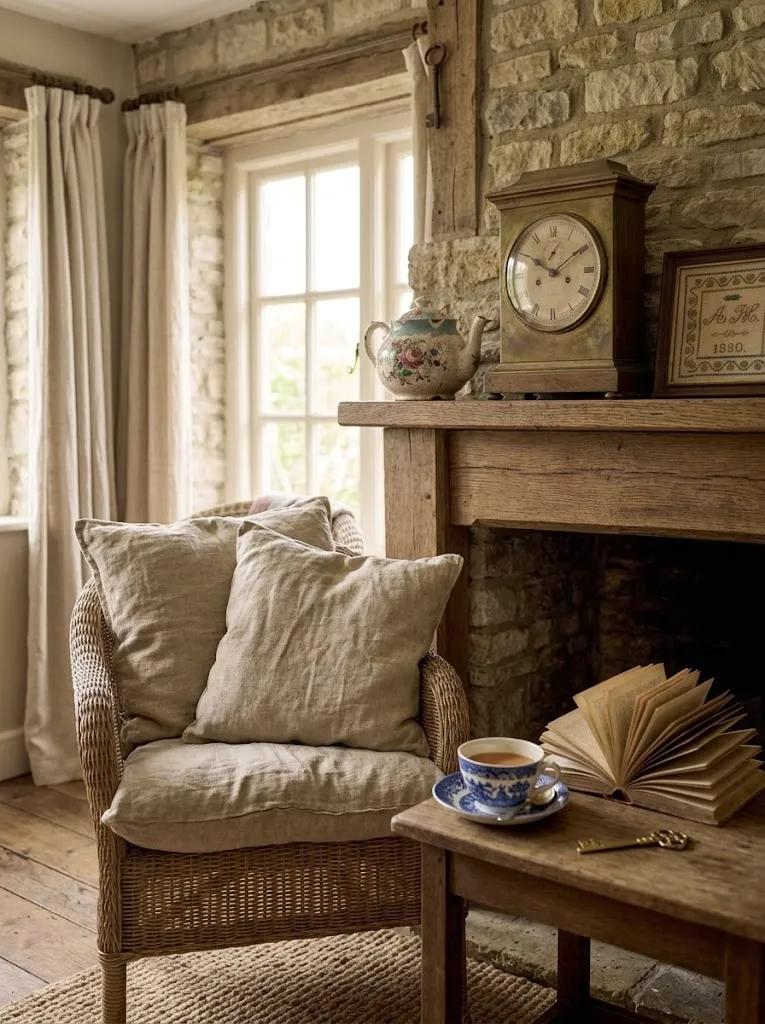
- Leave one or two items slightly out of place, like a folded blanket or an open book.
- Avoid lining up decor items in perfectly even rows or symmetrical groupings.
- Let a favorite mug, a stack of mail, or a pair of reading glasses stay visible on a side table.
- Skip removing every trace of daily life before taking photos or showing the space.
- Rotate a few decor pieces seasonally instead of keeping a static, unchanging display.
A home that looks too perfect stops feeling like cottagecore interior design and starts feeling like a photo shoot. The small, unstaged details, a worn book spine, a slightly crooked frame, are what make the space believable and comfortable to actually live in.
Final Thoughts
A dreamy, cottagecore home isn’t built overnight, and it doesn’t need to be. Start with one idea from this list, maybe the lighting or a single thrifted chair, and let the rest come together over time. I’ve seen how small changes like these can completely shift the way a space feels, turning an ordinary room into somewhere you actually want to spend your evenings.
If even one of these ideas sparked something for you, save this post so you can find it again when you’re ready to try more. Share it with a friend who’s been wanting to give her own space that same soft, cottagecore interior design feeling. Your dream home is closer than you think.

One Response